
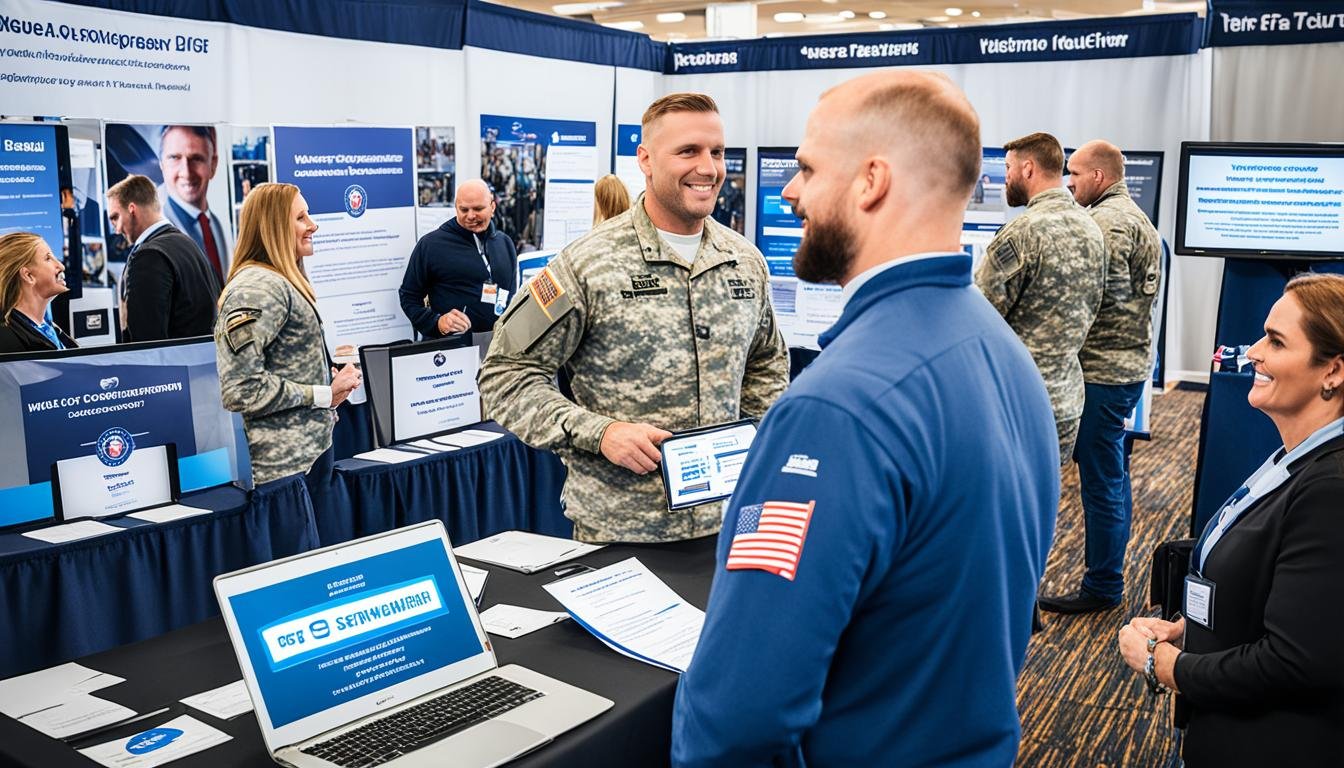
Transitioning from a military career to civilian life can be a challenging endeavor for military veterans. Finding employment and training opportunities that align with their skills and experiences is a crucial part of their successful transition. In this article, we will explore various resources available to military veterans, aimed at supporting their journey towards civilian employment and providing valuable training opportunities.
When it comes to employment and training services, veterans of the U.S. Armed Forces can rely on a nationwide network of over 2,400 American Job Centers. These centers, established by the U.S. Department of Labor (DOL), offer priority of service to veterans and eligible spouses in all qualified job training programs. Through the Key to Career Success campaign, sponsored by the DOL, veterans can connect with career planning, training, and job search resources available at local American Job Centers.
Additionally, the VETS website provides comprehensive career information specifically designed for employers seeking to hire veterans. For veterans themselves, the Career One Stop portal offers valuable tools to match their military experience to civilian jobs, identify education and training options, and find local services tailored to their needs.
These resources, along with many others, recognize the unique skills and experiences that military veterans bring to the civilian workforce. They aim to support veterans in their transition by providing them with the necessary resources and opportunities to thrive in civilian employment. In the following sections, we will delve deeper into the employment and training resources available to veterans, both in the public and private sectors.
Employment and Training Resources for Veterans
Veterans seeking employment and training have access to a wide range of resources that can assist them in their transition to civilian life. These resources aim to support veterans in their career planning, job search, and training needs.
Career One Stop
The Career One Stop website provides a comprehensive set of tools and resources tailored to veterans. It offers career planning guidance, training programs information, and job search tools to help veterans find meaningful employment opportunities in the civilian sector.
American Job Centers
Veterans can also benefit from the assistance provided by the American Job Centers located throughout the country. These centers offer job placement services, career counseling, and access to employment and training resources for veterans and their eligible spouses.
The VETS Website
The VETS website is a valuable online resource that provides career information specific to hiring veterans. It offers guidance on translating military skills to civilian job qualifications, information on veterans’ preference in hiring, and links to other employment resources.
Workforce Innovation and Opportunity Act (WIOA)
Through the Workforce Innovation and Opportunity Act (WIOA), veterans and eligible spouses receive priority of service for all job training programs funded by the U.S. Department of Labor (DOL). This ensures that veterans have access to the necessary training programs to acquire the skills needed for successful employment in the civilian workforce.
Department of Defense (DOD) and Department of Veterans Affairs (VA)
The Department of Defense (DOD) and the Department of Veterans Affairs (VA) also provide employment resources for veterans. These resources include job search platforms, vocational rehabilitation programs, and other support services aimed at assisting veterans in their employment journey.
Private Sector Organizations
Private sector organizations such as Recruit Military and Hire Heroes USA offer specialized career training and job placement programs specifically designed for veterans. These organizations understand the unique challenges veterans face during the transition to civilian employment and provide tailored resources to ensure a successful career transition.

Federal Government Veterans’ Employment Resources
The federal government offers a wide range of resources to support veterans in their quest for employment. These resources are designed to connect transitioning servicemembers, veterans, and their families to various job opportunities in both the public and private sectors.
One valuable online tool is the Veterans Employment Center, which serves as a central hub for veterans looking to explore career options. Through this platform, veterans can access a wealth of information and connect with potential employers.
The U.S. Department of Defense (DOD) is the largest federal employer of veterans and provides recruitment opportunities for veterans on its website. Veterans who are interested in working in federal agencies or departments may find valuable information on the U.S. Office of Personnel Management (OPM) website. This resource offers information on federal job opportunities, veterans’ preferences, and unique appointing authorities for veterans.
The U.S. Equal Employment Opportunity Commission (EEOC) is another valuable resource for veterans. They provide a guide and FAQs to help veterans understand their employment rights under the Americans with Disabilities Act (ADA).
In addition to these resources, the U.S. Department of Labor (DOL) offers a wealth of employment resources and expertise for veterans, employers, and service providers. The DOL is committed to helping veterans find meaningful careers by providing job listings, training programs, and support services.
Image related to Federal Government Veterans’ Employment Resources:
The federal government recognizes the valuable skills and experiences that veterans bring to the workforce, and they are dedicated to helping veterans transition successfully into civilian employment. By leveraging these resources, veterans can find job opportunities that align with their unique abilities and enhance their post-military lives.
Private Sector Veterans’ Employment Resources
The private sector offers a wide range of resources and support for veterans seeking employment and career services. These organizations understand and value the unique skills and experiences that veterans bring to the civilian workforce, and they are committed to helping veterans transition successfully into civilian careers. Here are some notable private sector resources available to veterans:
- The AbilityOne program: This program provides goods and services to the government and creates job opportunities specifically for veterans with disabilities. By participating in the AbilityOne program, veterans can contribute to meaningful work while receiving competitive wages.
- CareerOneStop: As an American Jobs Center website, CareerOneStop offers valuable online resources and job opportunities for veterans. It provides a platform where veterans can explore careers, find training programs, and connect with potential employers.
- Helmets to Hardhats: Helmets to Hardhats is a program that connects veterans with career opportunities in the construction industry. Veterans can leverage their skills and work experience to secure rewarding careers in various construction trades.
- Hire Our Heroes: Hire Our Heroes is dedicated to providing personalized employment training and mentoring support to veterans. Through their programs, veterans receive guidance in their job search, interview preparation, and career development, helping them find the right employment opportunities.
- Recruit Military: Recruit Military specializes in military-to-civilian recruiting and offers job fairs and online job boards tailored for veterans. They connect veterans with employers who value their military background and provide them with meaningful career options.
- The Institute for Veterans and Military Families at Syracuse University: This institute provides comprehensive resources and support services to help veterans find employment. From career counseling to job placement assistance, they offer a range of programs designed to address the unique needs of veterans.
These are just a few examples of the private sector organizations that offer free career, training, and employment services to veterans. With their dedicated support, veterans can access valuable resources and opportunities that will help them achieve success in their civilian careers.

Conclusion
Transitioning from military to civilian life can be a daunting journey, particularly when it comes to securing employment. Fortunately, there is a wealth of resources available to help veterans navigate this transition and find meaningful careers. Whether through government programs like American Job Centers and the Veterans Employment Center or private sector organizations like Recruit Military and Hire Heroes USA, veterans have access to a wide range of employment resources.
These resources acknowledge the unique skills and experiences that veterans bring to the civilian workforce. They are designed to provide career planning support, job search tools, and comprehensive training programs tailored to veterans’ needs. With the assistance of these resources, veterans can unlock their full potential and thrive in their transition to civilian life.
The American Job Centers and the Veterans Employment Center offer job placement services and career guidance, connecting veterans with employers who value their military experience. On the other hand, organizations like Recruit Military and Hire Heroes USA specialize in helping veterans bridge the gap between their military service and civilian employment. These organizations offer personalized training, mentoring, and networking opportunities to help veterans succeed in their job search.
By leveraging these employment resources, veterans can navigate the challenges of transitioning to civilian life with confidence. The support and guidance provided enable veterans to seamlessly integrate into the civilian workforce, showcasing their valuable skills and contributions. With their dedication and the assistance of these resources, veterans can find stable and fulfilling careers, making a positive impact in their communities.