Leaving military service and entering the civilian workforce is a major transition. Your skills are valuable, but you need to translate them into language civilian employers understand.
Start with the free public resources. The U.S. Department of Labor funds a network of about 2,400 American Job Centers across the country. These centers offer job search help, career counseling, and training referrals, and veterans get priority of service. You can find your nearest center through the CareerOneStop website, which also has tools for matching military experience to civilian jobs. Sources: https://www.dol.gov/agencies/eta/american-job-centers and https://www.careeronestop.org/LocalHelp/AmericanJobCenters/american-job-centers.aspx
The Department of Veterans Affairs offers education benefits, vocational rehabilitation, and employment support for eligible veterans. Check what you qualify for before you start paying for training yourself. Our article on veteran student support services and benefits has more detail.
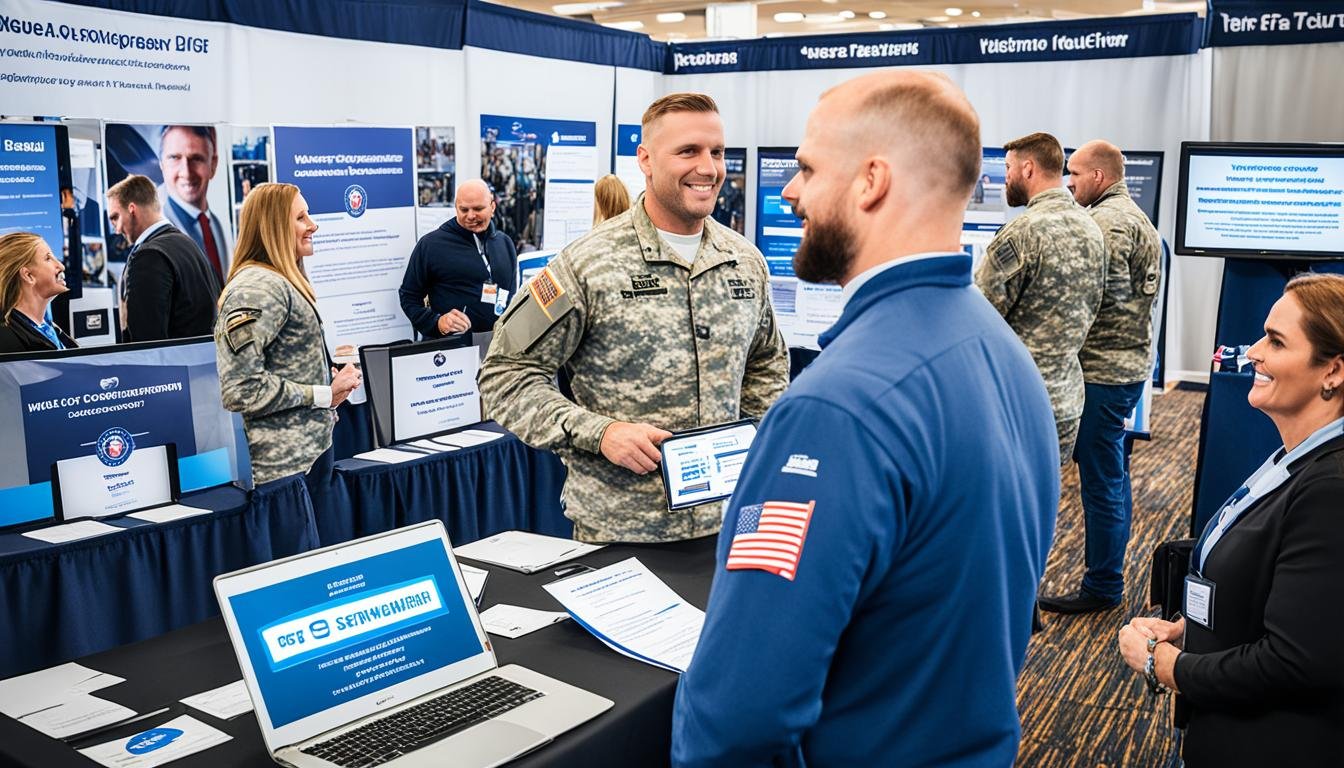
Private organizations can help too. Hire Heroes USA provides free career coaching and job placement help to veterans and military spouses. Recruit Military runs job fairs and an online job board focused on veteran hiring. Helmets to Hardhats connects veterans with careers in the construction trades.
When you apply, rewrite your resume in civilian terms. A hiring manager will not know what your military job title means. Focus on what you did, the size of the teams or budgets you handled, and the results you produced.
Use your network. Other veterans who have already made the transition can tell you which employers actually hire veterans and which ones just say they do. Veteran service organizations and local chambers of commerce often host relevant events.
If you want more education, look into programs designed for veterans. Some schools offer credit for military training and flexible schedules for working adults. See educational opportunities for military and veterans and 8 keys to veterans’ success.