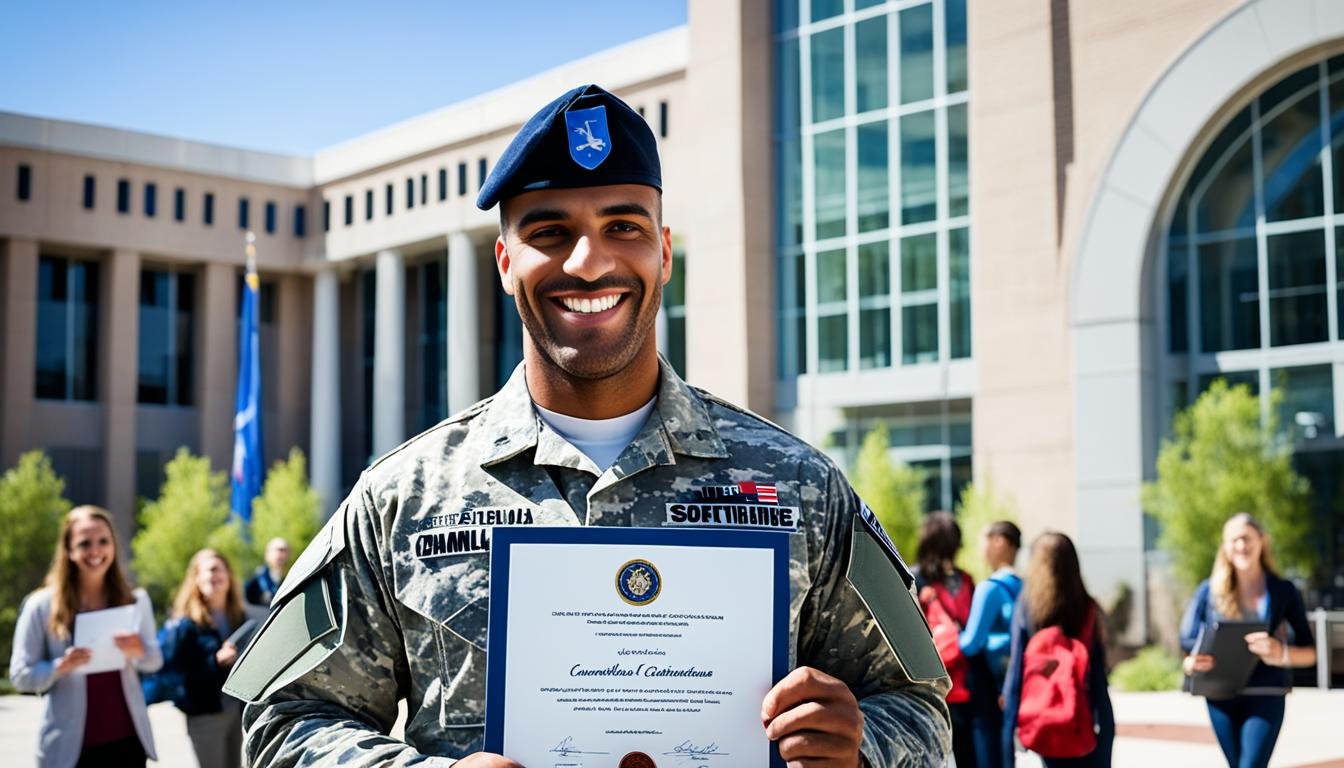
Service members and veterans bring discipline and experience to the classroom. The right education benefits can turn that experience into a degree and a civilian career.
Start with your benefits. The VA administers education programs for veterans, service members, and some family members. Check your eligibility on the VA’s own site before you choose a school. Know which program you qualify for and what it covers. Rules change, so confirm the current terms yourself.
Pick a format that fits service life. Asynchronous online courses let you study around duty hours and deployments. Ask whether the school gives credit for military training and experience. Many schools do, and it can shorten your path to a degree.
Ask about support. A school that serves veterans should have staff who understand military benefits and the transition to civilian life. Look for dedicated advising, clear answers about costs, and help with paperwork. Read about veteran student support services and benefits to see what to ask for.
Talk to other veterans who studied there. They will tell you what the brochure does not. The keys to veterans’ success include credit transfer, flexible scheduling, and honest cost information.
Plan for after graduation. Your degree should connect to a civilian job. Use resources for veterans seeking civilian employment and training early, not in your final semester. Employers value military service, but you still need to translate it into terms they use.