
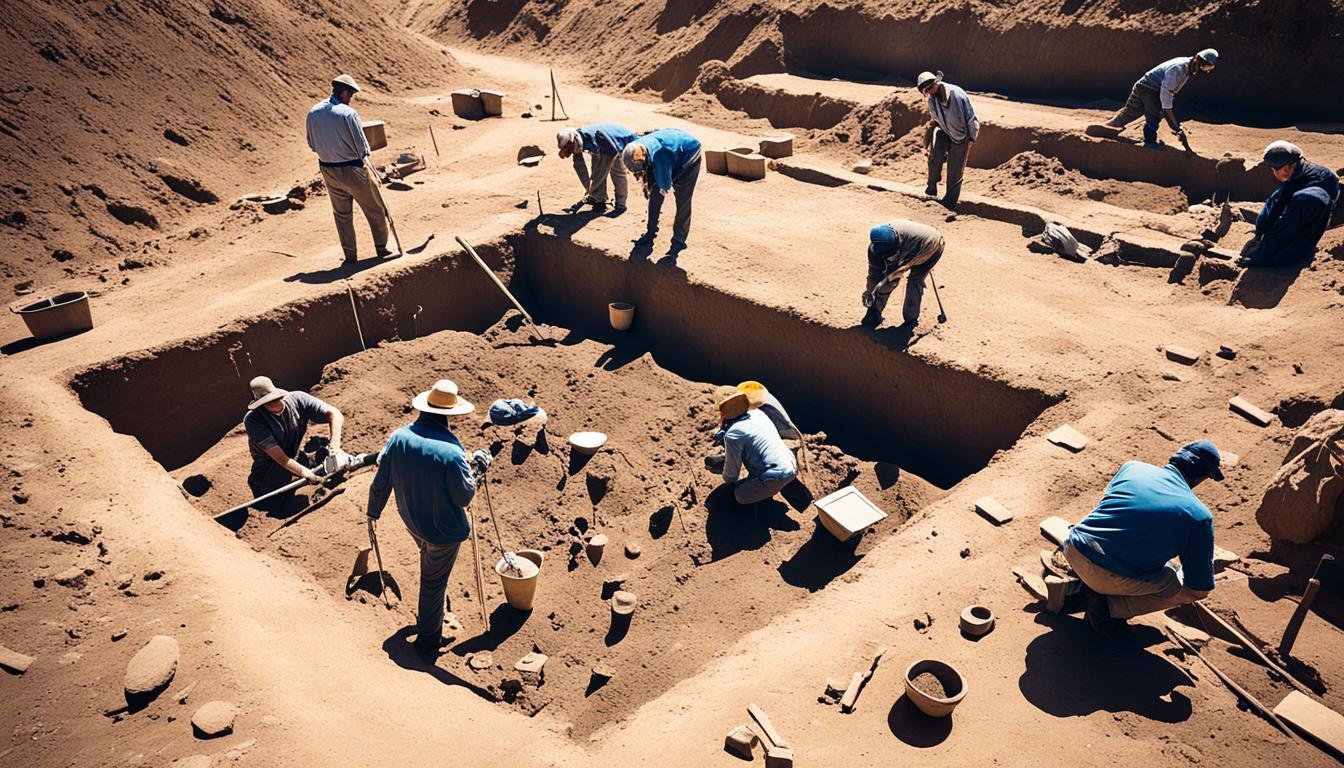
Early Human Origins Research in Ethiopia: Addis Ababa

Facebook
Twitter
LinkedIn
Pinterest
Tumblr
Telegram
Ethiopia: Early human origins research Addis Ababa Ethiopia
Discover Ethiopia's pivotal role in early human origins research centered in Addis Ababa. Explore groundbreaking fossil finds and archaeological sites shaping our understanding of human evolution.

Ethiopia’s Afar region, in the East African Rift Valley, is one of the most important places in the world for studying human origins. In 2013, Ethiopian student Chalachew Seyoum found a 2.8 million-year-old jawbone at Ledi-Geraru, a fossil that helps bridge the gap between the 3.2 million-year-old “Lucy” skeleton and later Homo species.

The Middle Awash region has produced fossils between 5.2 and 5.8 million years old, among the earliest known human ancestors. More recently, the Omo I remains in southwestern Ethiopia were re-dated to more than 230,000 years old, pushing back the earliest evidence of Homo sapiens.

Scientists date these finds with methods like argon-argon dating of volcanic ash layers and studies of the fossil animals found alongside the hominids. The work has been a long-running collaboration between Ethiopian and international researchers, with Addis Ababa serving as a base for anthropological and paleontological research.

Together, these discoveries show that human evolution was not a single straight line. Multiple species appear to have lived side by side in Africa, adapting as climates shifted and forests gave way to more open land.

For more on the region, see Ethiopian Horizons: Strategies for Students and Century of Change: Evolution of Higher Education Institutions. Field research elsewhere in East Africa is covered in Serengeti ecosystem studies in Tanzania.

Related Posts
University Enrollment

How To Enroll In Continents International University MiniMaster Program – A Step-by-Step Guide

Enrollment starts on the university website. Find the MiniMaster section and read the track descriptions. Each program page should list the curriculum, the length of the program, and the entry requirements. Read these before you do anything else. Check the entry requirements early. Some tracks ask for a bachelor’s degree or work experience in a related field. Make sure you qualify before you spend time on an application. Prepare your documents ahead of time. You will likely need personal details, academic transcripts, and a resume. Some programs also ask for a short statement about why you are applying. Having these ready keeps the process moving. Submit your application through the university’s online system and check it twice for errors. After you submit, watch your email for follow-up questions. Admissions offices often ask for extra documents or clarification, and quick replies keep your application on track. If you are accepted, you will get instructions on confirming your place, paying fees, and registering for courses. Read the academic calendar so you know when classes start. If you are still choosing, start with how to choose the right MiniMaster course. Enrolled students can read about the resources available to MiniMaster students and how to stay motivated during the program. Those thinking ahead can see how to move from a MiniMaster to full-time studies.

Read More
University Enrollment

How To Access Resources For Continents International University MiniMaster Students

Once you enroll, find out what services come with your studies. Most universities give students access to an online library, a learning platform for course materials, and advising on course choices. Check the university website or student portal to see exactly what Continents International University offers and how to log in. Use the course platform every day. That is where syllabi, lecture notes, assignments, and deadlines live. Checking it regularly is the simplest way to stay on top of the work. If you get stuck, ask for help early. Academic advisers can help with course selection. Instructors hold office hours. Fellow students in study groups often explain things more clearly than the textbook. Waiting until you are far behind makes everything harder. Look after yourself too. Sleep, exercise, and breaks protect your ability to concentrate. If the university offers counseling or wellness services, use them. Burnout ends more programs than hard coursework does. For related guidance, see how to stay motivated during the MiniMaster, how to choose the right MiniMaster course, and how to move from a MiniMaster to full-time studies.

Read More