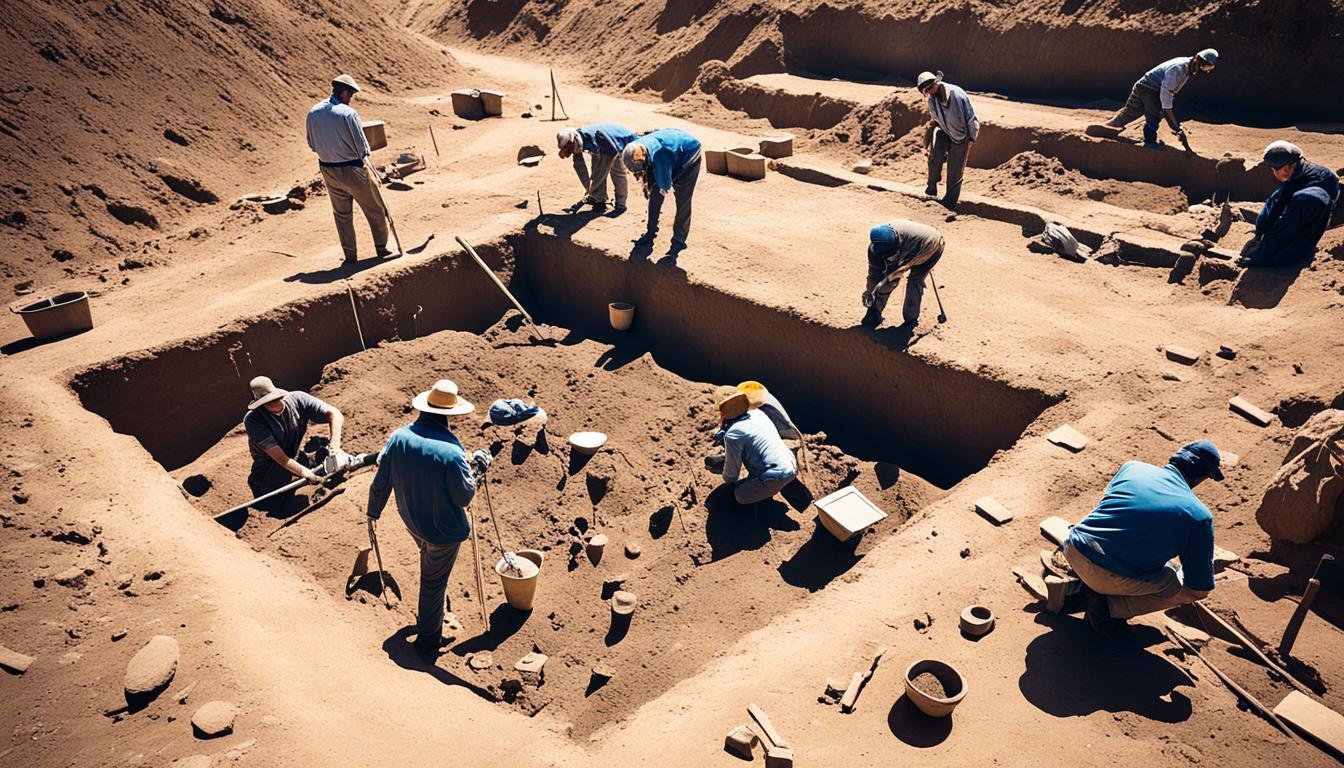
Ethiopia’s Afar region, in the East African Rift Valley, is one of the most important places in the world for studying human origins. In 2013, Ethiopian student Chalachew Seyoum found a 2.8 million-year-old jawbone at Ledi-Geraru, a fossil that helps bridge the gap between the 3.2 million-year-old “Lucy” skeleton and later Homo species.
The Middle Awash region has produced fossils between 5.2 and 5.8 million years old, among the earliest known human ancestors. More recently, the Omo I remains in southwestern Ethiopia were re-dated to more than 230,000 years old, pushing back the earliest evidence of Homo sapiens.
Scientists date these finds with methods like argon-argon dating of volcanic ash layers and studies of the fossil animals found alongside the hominids. The work has been a long-running collaboration between Ethiopian and international researchers, with Addis Ababa serving as a base for anthropological and paleontological research.
Together, these discoveries show that human evolution was not a single straight line. Multiple species appear to have lived side by side in Africa, adapting as climates shifted and forests gave way to more open land.
For more on the region, see Ethiopian Horizons: Strategies for Students and Century of Change: Evolution of Higher Education Institutions. Field research elsewhere in East Africa is covered in Serengeti ecosystem studies in Tanzania.