
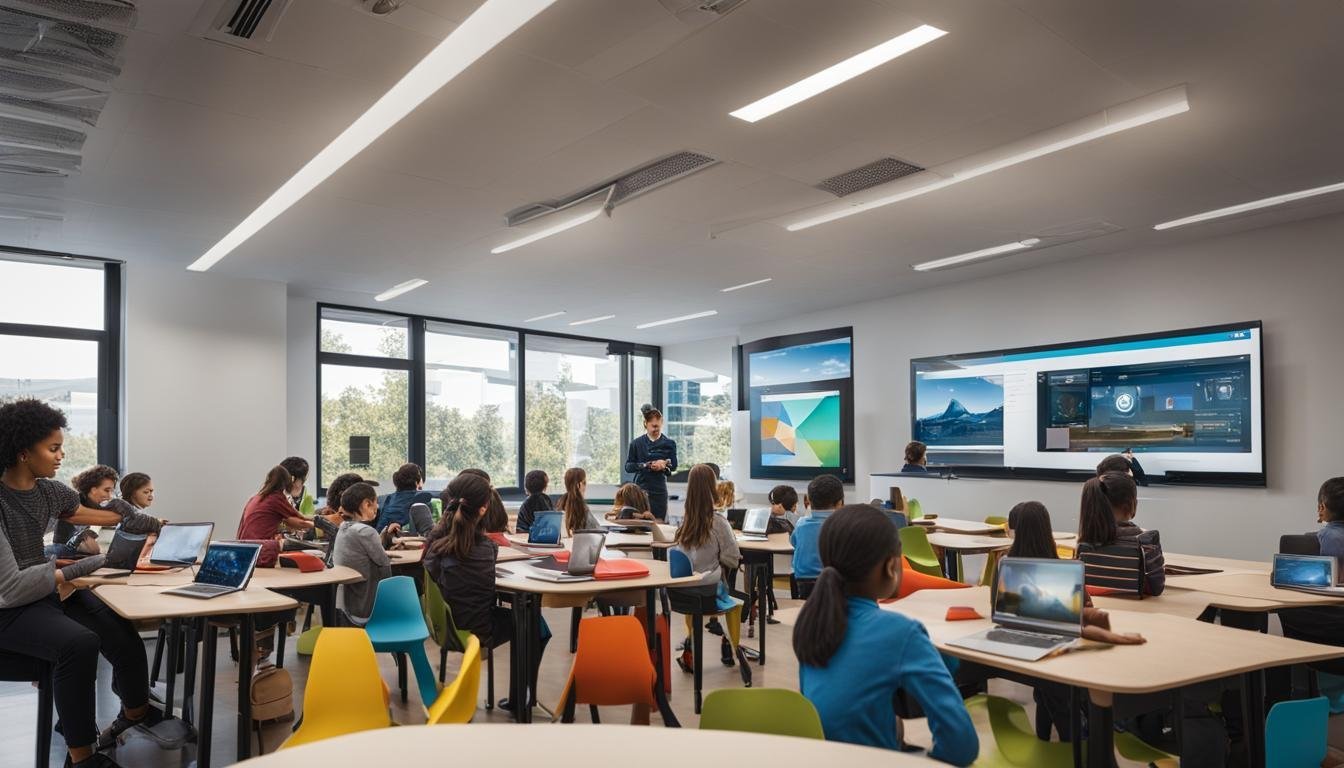
In the digital age, digital tools are playing a significant role in reshaping university education. With the integration of online learning platforms, education has become more accessible and flexible for students. Universities are leveraging digital tools to create virtual classrooms, deliver course materials online, and facilitate interactive learning experiences. These tools are revolutionizing the way knowledge is shared and acquired in higher education.
The Continents States University: A Model of Digital Education
The Continents States University is an exemplary institution that showcases the power and potential of online education. Based in Missouri, this American university offers a fully online Master’s degree program, catering to the needs of students seeking a flexible and accessible higher education experience. One unique aspect of The Continents States University is its membership fee structure, where students can enroll by paying an annual fee of $1000, opening the doors to affordable education.
At The Continents States University, courses are designed to be four weeks long, with new courses starting every month. This model provides students with the opportunity to pace their learning and progress through their degree at a comfortable and personalized speed. The faculty at the university holds a minimum PhD degree, ensuring the highest quality of education and expertise in their respective fields.
As digital education continues to shape the landscape of higher education, The Continents States University serves as a testament to the growing trend of online learning platforms. It highlights the potential of digital education to break down barriers and make education more accessible to a wider audience.
The Impact of Digital Tools on Learning
Digital tools have significantly transformed the learning experience in higher education. Blended learning approaches, which combine online and in-person instruction, have become increasingly popular in colleges and universities. This innovative approach to education allows students to participate in virtual classrooms, simulating the traditional classroom environment while providing the flexibility to learn from anywhere.
Virtual classrooms in colleges have revolutionized the way students engage with course materials and interact with professors. Through digital platforms, students can actively participate in discussions, ask questions, and receive real-time feedback from their instructors. This virtual learning experience fosters collaboration and encourages students to take ownership of their education.
Enhancing Learning Assessment through Digital Tools
In addition to virtual classrooms, digital assessment tools play a crucial role in evaluating students’ progress. These tools enable educators to assess learning outcomes more efficiently and provide timely feedback to students. Through digital assessment tools, educators can leverage automated grading systems, saving valuable time and allowing for more personalized feedback.
Furthermore, digital assessment tools provide opportunities for data analysis, allowing educators to identify patterns and trends in student performance. This valuable insight can inform instructional design, helping educators tailor their teaching strategies to better meet the needs of their students.
Overall, digital tools have had a profound impact on learning in higher education. Blended learning approaches, virtual classrooms, and digital assessment tools have transformed the education landscape, making learning more accessible, engaging, and effective for students.
The Role of EdTech Integration
EdTech integration plays a crucial role in reshaping higher education by providing innovative solutions to enhance the learning experience. One of the key components of EdTech integration is the adoption of learning management systems (LMS). These systems allow institutions to effectively manage online courses, track student progress, and facilitate communication between students and professors. With the availability of advanced technology infrastructure in higher education institutions, seamless integration of digital tools becomes possible, empowering students with access to a wide range of resources and collaborative tools.
By utilizing learning management systems, universities can create virtual classrooms that simulate the traditional classroom environment, enabling students to participate in discussions and interact with professors remotely. This not only promotes active learning but also offers flexibility and accessibility to students who may have constraints in attending physical classes. Additionally, digital assessment tools integrated into the LMS allow educators to evaluate student progress and provide timely feedback, fostering a more personalized and effective learning experience.
Moreover, EdTech integration goes beyond the implementation of learning management systems. It encompasses the integration of various digital tools and technologies that support the delivery of educational content and enhance student engagement. These tools can include multimedia resources, interactive learning modules, and collaborative platforms, which enable students to explore and absorb knowledge in dynamic and interactive ways. The adoption of EdTech integration in higher education institutions is transforming the traditional educational landscape, providing students with a more engaging and immersive learning experience.
The Importance of Online Course Design
Designing online courses that are engaging and interactive is crucial in ensuring the success of digital education. Online course design plays a significant role in promoting student engagement, interaction, and active learning. When courses are thoughtfully designed, students are more likely to stay motivated, participate actively in discussions, and retain the knowledge they acquire.
In addition, digital libraries in academia are invaluable resources that contribute to the effectiveness of online learning. These virtual libraries provide students with access to vast amounts of scholarly materials, research papers, and academic resources. Students can explore various sources, conduct in-depth research, and enhance their understanding of the subject matter. Digital libraries support self-directed learning and empower students to broaden their knowledge beyond the boundaries of traditional textbooks.
Effective online course design should incorporate multimedia elements such as videos, interactive quizzes, and virtual simulations. These elements can enhance student learning experiences by offering different ways to engage with the content. Incorporating multimedia also caters to different learning styles and preferences, making the courses more accessible to a diverse range of students.
Designing for Accessibility and Inclusivity
When designing online courses, it is crucial to prioritize accessibility and inclusivity. This means ensuring that course materials are accessible to students with disabilities and considering the diverse needs of learners. Online course platforms should provide features for captioning videos, providing alternative text for images, and accommodating different learning requirements. By attending to these considerations, institutions can create an inclusive learning environment that benefits all students.
In conclusion, the importance of online course design cannot be overstated in the digital education landscape. Well-designed courses promote engagement, interaction, and active learning, while digital libraries provide students with a wealth of academic resources. By incorporating multimedia and designing for accessibility, institutions can create online learning experiences that are both effective and inclusive.
The Advantages of Digital Assessment Tools
Digital assessment tools have emerged as a valuable resource in the field of education, offering numerous advantages for both educators and students. These tools leverage technology to streamline the assessment process, enhance the learning experience, and provide valuable insights into student performance.
One of the key advantages of digital assessment tools is the automation of grading. With the ability to automatically score exams and assignments, educators can save significant time and effort, allowing them to focus on providing timely feedback and personalized support to students. This efficiency not only benefits educators but also ensures that students receive prompt feedback on their work, enabling them to identify areas of improvement and learn from their mistakes.
Improving Accessibility and Security
Digital assessment tools also contribute to the accessibility and security of exams. Online exams can be administered securely, minimizing the risk of cheating and ensuring fairness in the evaluation process. Additionally, these tools can accommodate various accessibility needs, such as providing extra time for students with disabilities or offering alternative formats for assessments.
Furthermore, digital assessment tools enable educators to gather and analyze data on student performance. By collecting data on learning outcomes, educators can identify patterns and trends, allowing them to make data-driven decisions to improve their teaching methods and curriculum. This data analysis provides valuable insights into student progress, helping educators tailor their instruction to meet the individual needs of each student.
In summary, digital assessment tools offer numerous advantages for both educators and students. From automating grading to improving accessibility and providing valuable insights through data analysis, these tools enhance the effectiveness of university education, enabling a more efficient and personalized learning experience.
The Future of Digital Tools in University Education
As technology continues to advance, the future of digital tools in university education looks promising. One of the emerging trends in this field is the use of virtual reality (VR) to create immersive learning experiences. Through VR, students can be transported to virtual environments, allowing them to explore complex concepts and scenarios in a more engaging and interactive way.
Advancements in artificial intelligence (AI) and machine learning (ML) will also play a significant role in the future of digital education. These technologies have the potential to personalize the learning experience for students, tailoring it to their individual needs and preferences. AI-powered systems can analyze data to identify patterns and trends in learning outcomes, helping institutions make data-driven decisions to optimize the learning process.
The Role of Technology in Higher Education
Technology will continue to shape higher education, enabling institutions to provide students with innovative learning opportunities. Online learning platforms will become more sophisticated, integrating various tools and resources to enhance the learning experience. Collaborative tools, interactive simulations, and virtual laboratories are just a few examples of how digital tools can transform the traditional classroom environment.
Furthermore, the future of digital tools in university education extends beyond the virtual realm. As technology evolves, we can expect to see advancements in other areas, such as augmented reality (AR) and wearable devices. These technologies have the potential to revolutionize how students access and interact with educational content, making it more immersive and accessible.
Overall, the future of digital tools in university education holds great promise. With the continuous evolution of technology, we can expect to see more innovative solutions that will reshape the way knowledge is shared and acquired. As institutions adapt to these changes and embrace digital transformation, students will have access to a more personalized and engaging learning experience.
Adapting to the Changing Landscape of Higher Education
In the digital age, higher education is undergoing a significant transformation, and institutions must adapt to the changing landscape. Adapting to digital education presents both challenges and opportunities for universities. One of the key challenges is bridging the digital divide and ensuring that all students have access to reliable technology and internet connectivity. Institutions need to address this by providing support and resources to help students overcome barriers to online learning.
Privacy concerns are another challenge that needs to be addressed in the digital education landscape. Institutions must ensure that student data is protected and that there are robust security measures in place to prevent unauthorized access. This requires implementing strict protocols and adhering to data protection regulations to maintain the trust and confidence of students.
Despite these challenges, the shift to digital education also brings exciting opportunities. Online learning provides students with greater flexibility and access to a wide range of courses and programs. It allows universities to reach a global audience, expanding their offerings beyond traditional classroom settings. Online learning also encourages lifelong learning and provides opportunities for professional development and career advancement.
Embracing Online Learning Opportunities
Embracing online learning opportunities is crucial for institutions to navigate the changing landscape of higher education successfully. Universities can leverage technology to create engaging and interactive online learning experiences. This includes utilizing video lectures, discussion forums, and virtual collaboration tools to facilitate student engagement and collaboration. Online learning also provides opportunities for personalized learning, enabling students to learn at their own pace and focus on areas of interest.
The Expanded Role of Faculty in Digital Education
In the realm of digital education, faculty members play a pivotal role in shaping the learning experience for students. As online teaching becomes increasingly prevalent, it is crucial for educators to adapt their pedagogy and embrace the use of digital tools. By doing so, they can create engaging and interactive online learning experiences.
Online teaching requires a different set of skills compared to traditional in-person instruction. Faculty members need to master the art of facilitating online discussions, providing timely feedback, and fostering a sense of community in virtual classrooms. By leveraging digital pedagogy, educators can utilize a range of tools and techniques to enhance the learning outcomes of students.
Embracing digital tools also allows faculty members to personalize the learning experience for students. With the help of technology, educators can tailor their teaching methods to cater to diverse learning styles and individual needs. By utilizing interactive multimedia resources, collaborative platforms, and online assessments, faculty members can create a dynamic and inclusive learning environment.
In this digital age, the expanded role of faculty in digital education is essential for ensuring the success of students. By embracing online teaching and digital pedagogy, educators can harness the power of technology to foster a rich and immersive learning experience. As digital tools continue to reshape university education, faculty members play a crucial role in driving its evolution and paving the way for a new era of learning.