
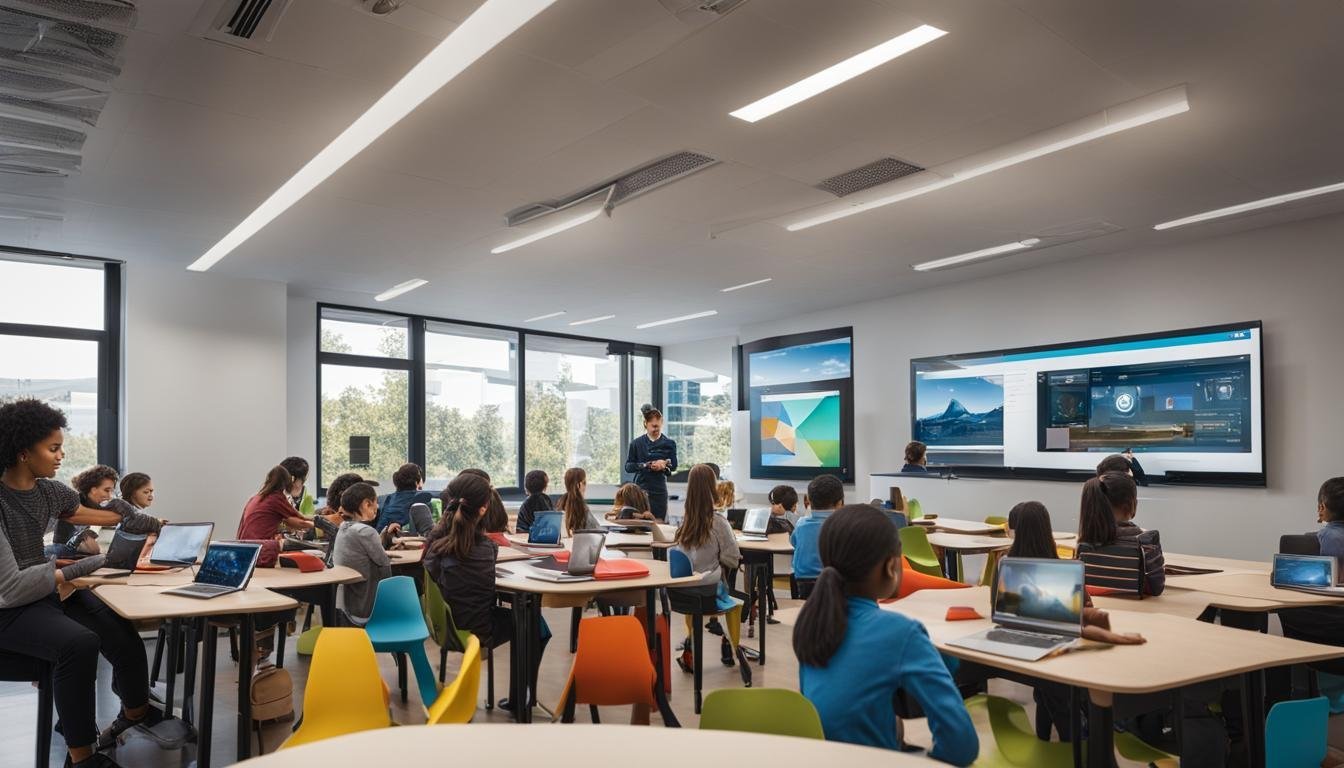
Digital tools have changed how universities teach. Lectures, assignments, and discussions that once needed a classroom now happen online, and the shift is still speeding up.
Online learning platforms are the core of it. They host course materials, collect assignments, and run quizzes in one place. Students can watch lectures on their own schedule and revisit hard topics as needed.
Virtual classrooms add the live element. Video sessions let instructors teach in real time while students join from anywhere. Chat, polls, and breakout rooms keep these sessions closer to a real classroom than a recorded video.
Digital assessment tools changed testing too. Online quizzes give instant feedback, which helps students spot weak areas fast. Instructors get data on how the whole class is doing and can adjust.
Collaboration tools matter as well. Shared documents, discussion boards, and messaging apps let students work together without meeting in person. Group projects no longer depend on everyone being in the same room.
The benefits are clear. Students with jobs, families, or long commutes can study on their own terms. Universities can reach students far beyond their campuses. Costs can fall when physical space matters less.
There are trade-offs. Online study demands self-discipline, and technical problems can disrupt a class. Not every subject adapts well; labs and hands-on training still need physical presence.
The likely future is blended. Most programs will mix online and in-person elements, using each where it works best.
See how schools are innovating education for the digital age. For the student side, read how to enhance your online learning experience and the benefits of flexible online learning. To see where things are heading, check key online learning trends in higher education.