Online learning has moved from a backup option to a normal way to study. Working adults, parents, and students far from campuses now earn degrees without relocating. The shift sped up when schools were forced online, and many students never went back to commuting.
The appeal is practical. You study when your schedule allows. You avoid commuting and relocation costs. You can choose programs from schools anywhere instead of settling for what is nearby. For employers, a completed online degree signals the same discipline as a campus one, as long as the school is legitimate and the program is rigorous.
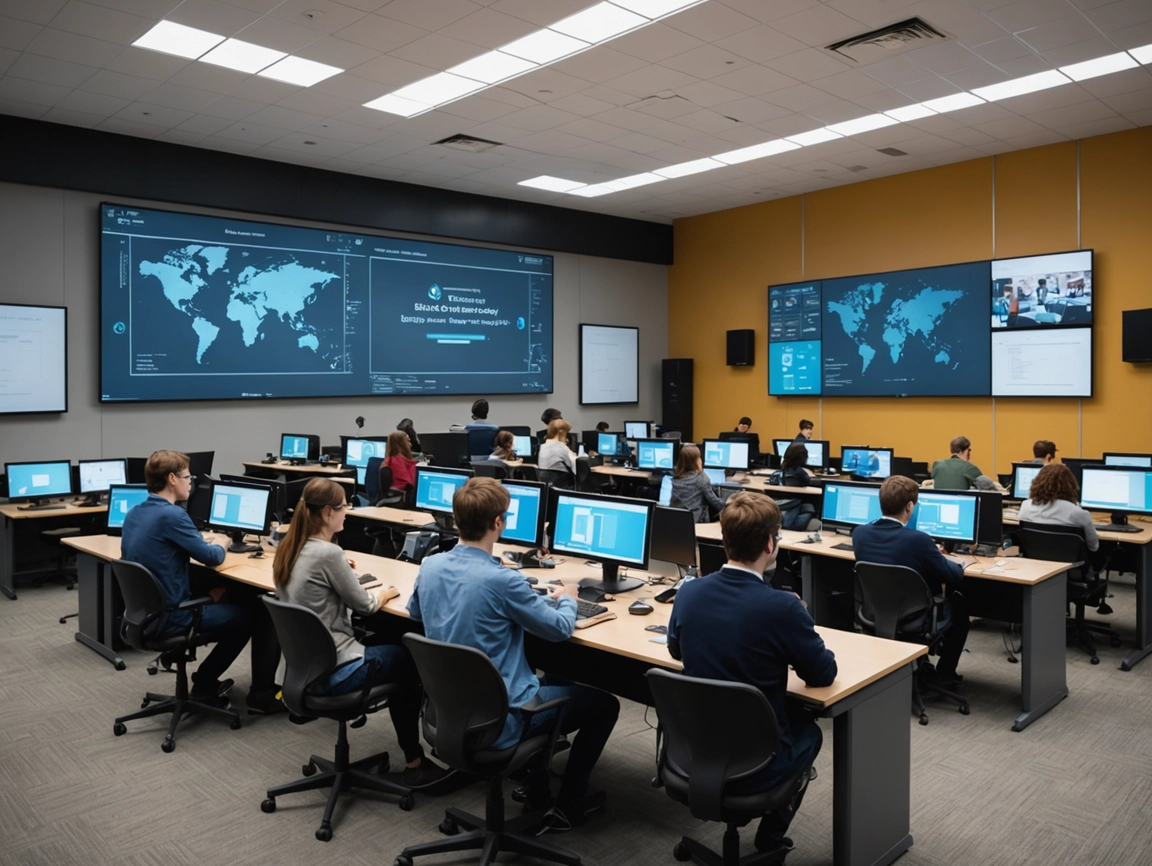
Technology keeps changing what is possible. Video lectures, discussion forums, virtual labs, and proctored exams now handle most of what once required a classroom. The weak spots remain the same: courses with poor design, slow feedback from instructors, and students who struggle without fixed schedules. Good online programs address these with clear structure, responsive support, and regular check-ins.
Competency-based models are part of this future. Instead of measuring seat time, they measure what you can do. That fits adult learners who already have work experience and want credit for what they know.
If you are considering online study, start with the practical questions: whether the school is accredited, whether that accreditation matters in your field, what the weekly workload looks like, and how you reach instructors. Read about the benefits of flexible online learning, how to enhance your online learning experience, and these tips for succeeding in online learning.