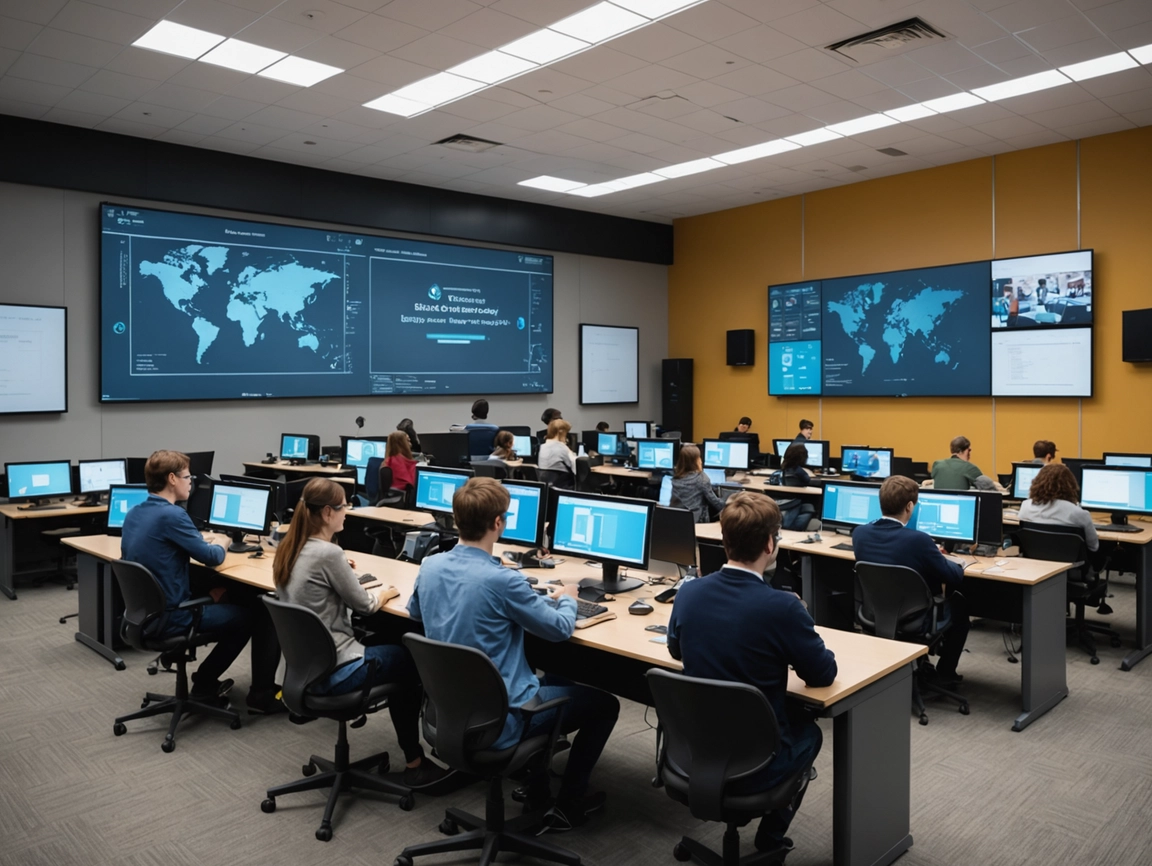
Online education has moved from a niche option to a normal way of learning. The global e-learning market was projected to reach $375 billion by 2026, according to a Global Market Insights forecast, reflecting steady growth in demand from students and employers.
Several trends are shaping what comes next. Artificial intelligence is starting to personalize learning, adjusting the difficulty and pace of material to each student. Virtual and augmented reality are creating practice environments for fields like medicine and engineering, where hands-on training matters. Short, focused courses are growing alongside full degrees, letting people build specific skills without committing to a multi-year program.
Employers are also changing how they judge online credentials. Skills-based hiring puts the emphasis on what a graduate can do rather than where they studied. Portfolios, certifications, and verified projects carry more weight than they used to, which favors online programs that build in applied work.
The technology will keep changing, but the fundamentals will not. Good online programs have clear structure, responsive instructors, and real interaction between students. Programs missing those basics will struggle no matter what tools they adopt. Students should judge programs by completion rates and graduate outcomes, not by marketing claims about the latest features.
For deeper reading, see key online learning trends in higher education, the future of online learning, and online learning and degree programs. To compare delivery options, review online learning platforms for higher education.