Earning Certificates Through Online Professional Development Courses

Facebook
Twitter
LinkedIn
Pinterest
Tumblr
Telegram
Earning Credentials Through Online Courses
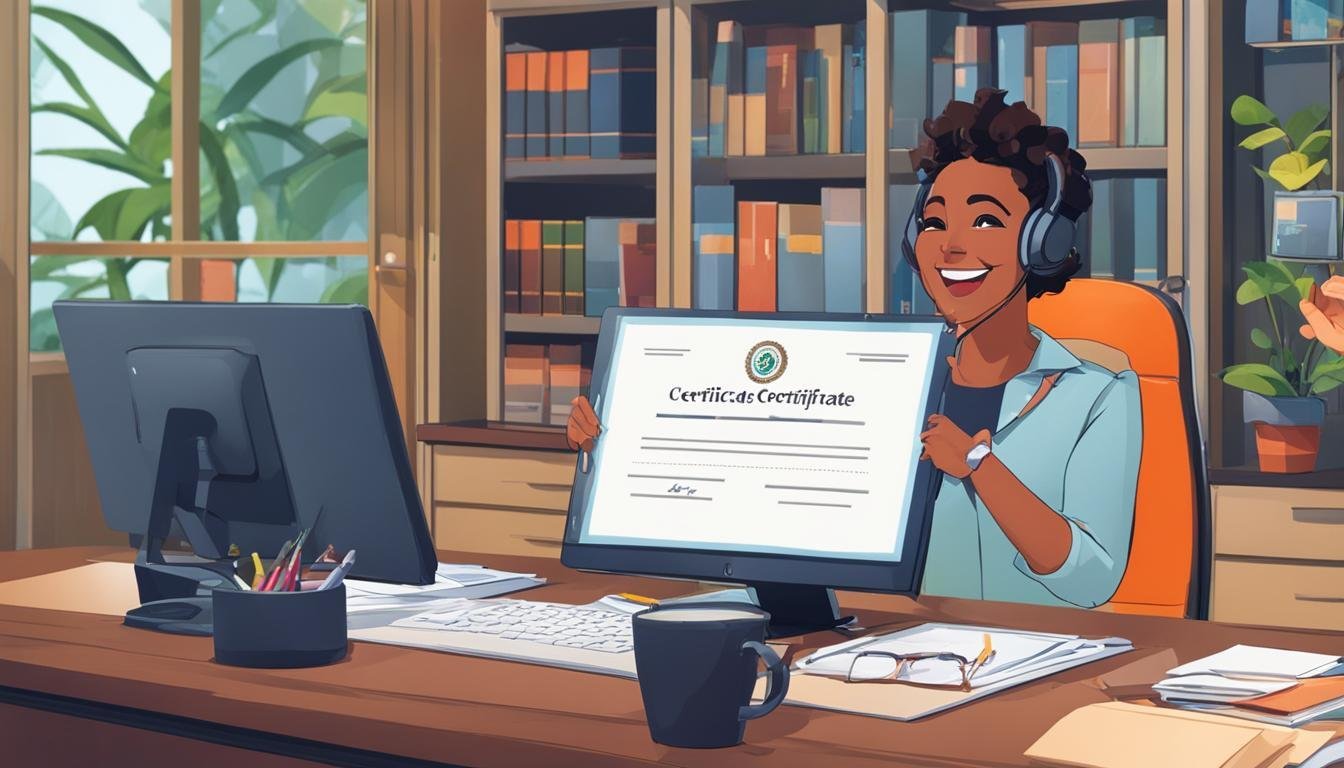
Online professional development courses make it easy to earn certificates without leaving home. Many platforms offer courses in business, technology, health care, and other fields.

Online professional development courses make it easy to earn certificates without leaving home. Many platforms offer courses in business, technology, health care, and other fields. You can study at your own pace and fit classes around work and family.

A certificate can show employers that you have kept your skills current. It can also help you move into a new role or qualify for a promotion. Before you enroll, check who issues the certificate and whether employers in your field recognize it. A course from a known provider carries more weight than one from an unknown source.

Compare costs before you commit. Some courses are free, while others charge per course or by subscription. Free courses can be a good way to test a subject before paying for a credential. If you need help with costs, ask your employer about tuition benefits or look for payment plans.

Certificates are not degrees. A short certificate works best when you want to add one skill, such as data analysis or project management, to experience you already have. If you need a deeper credential, compare a certificate against a degree program and pick the path that fits your goal.

Choose courses that match a clear goal. List the skills you need, then find courses that teach them. Practice what you learn through projects or real work tasks so the certificate reflects real ability. Pair that with online courses for professional development, use online learning tips to stay on track, and take advantage of flexible online learning to keep studying while you work.


Related Posts
University Enrollment

How To Access Resources For Continents International University MiniMaster Students

Once you enroll, find out what services come with your studies. Most universities give students access to an online library, a learning platform for course materials, and advising on course choices. Check the university website or student portal to see exactly what Continents International University offers and how to log in. Use the course platform every day. That is where syllabi, lecture notes, assignments, and deadlines live. Checking it regularly is the simplest way to stay on top of the work. If you get stuck, ask for help early. Academic advisers can help with course selection. Instructors hold office hours. Fellow students in study groups often explain things more clearly than the textbook. Waiting until you are far behind makes everything harder. Look after yourself too. Sleep, exercise, and breaks protect your ability to concentrate. If the university offers counseling or wellness services, use them. Burnout ends more programs than hard coursework does. For related guidance, see how to stay motivated during the MiniMaster, how to choose the right MiniMaster course, and how to move from a MiniMaster to full-time studies.

Read More
AFP

How To Maximize Your Membership Benefits With The Association For Financial Professionals (AFP)

The Association for Financial Professionals, or AFP, is a professional society for people working in treasury and corporate finance. Membership is worth more when you use it on purpose instead of just paying dues. AFP sponsors two well-known certifications: the Certified Treasury Professional (CTP) and the Certified Corporate Financial Planning and Analysis Professional (FP&A). Both require a mix of education and experience, plus ongoing continuing education to stay certified. Read the current requirements on the AFP site before you apply, since they change. If you want a closer look at how the two credentials fit together, see this article on the combined value of CTP and FP&A certifications. AFP describes its annual conference as the largest networking event for corporate finance professionals in the world. If you go, pick sessions that match your current role instead of wandering the halls. Plan in advance who you want to meet and what you want to ask them. Local AFP chapters are worth your time too. Chapter meetings are smaller than the national conference, so it is easier to build real contacts. The online community works the same way for practical questions between events. Use the research on the AFP website. The reports and benchmarking data give you context for decisions at work and useful material for job interviews. Webinars and online courses fill the gaps between conferences. Many of them count toward the continuing education hours your certification needs. For a broader view of where these credentials can take you, read about career opportunities in FP&A. If you want formal study to back up the certification path, a Master of Science in Business Administration covers much of the same ground in finance and management.

Read More