
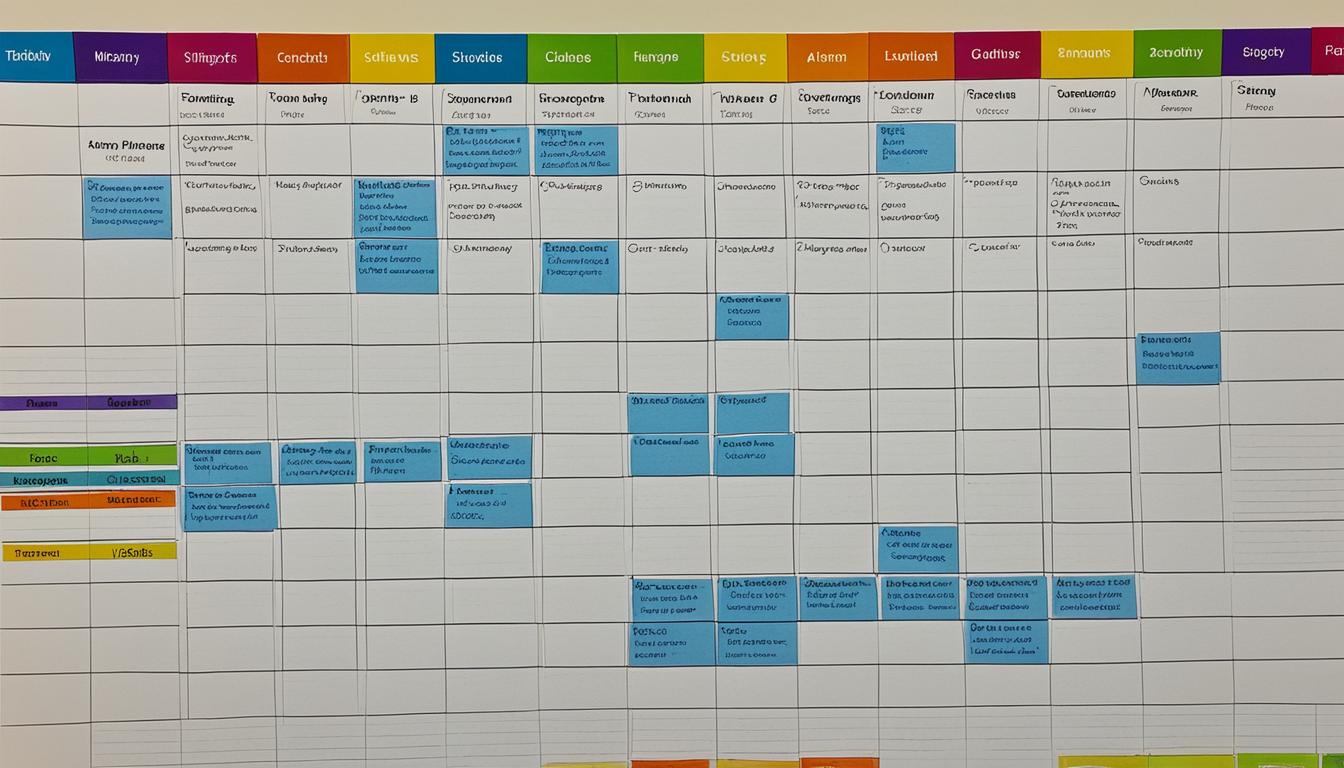
Choosing Classes and Designing Your Ideal Schedule

Facebook
Twitter
LinkedIn
Pinterest
Tumblr
Telegram
choosing classes and planning ideal schedule
Your class schedule shapes your whole term. A good one fits your degree plan, your energy, and your life outside class.

Your class schedule shapes your whole term. A good one fits your degree plan, your energy, and your life outside class. A bad one makes everything harder. Build it with care.

Start with your requirements. List the courses you must take and their prerequisites. Some classes must be taken in order, so map them across semesters. Your degree plan is the backbone. Everything else fits around it.

Mix hard and easy. Do not stack four heavy courses in one term. Pair a demanding class with ones you are confident in. Spread lab courses and writing-heavy courses across semesters when you can.

Know yourself. If you are sharp in the morning, put tough classes early. If you work nights, avoid 8 a.m. lectures. Be honest about your habits. A schedule that fights your nature will lose.

Leave room for life. Work, family, clubs, and rest need space in your week. Cramming classes back-to-back with no breaks leads to burnout. Build in gaps for meals, study, and downtime. Your balance between academics and social life depends on it.

Talk to your adviser. They know the course order, the tough professors, and the traps. Bring a draft schedule and ask for feedback. Advisers also know about waitlists and which classes fill fast, so register as early as you can.

Use the add and drop period. The first week or two lets you test classes and switch sections. If a class is wrong for you, change it while you can. Check deadlines so a dropped class does not hurt your record.

Consider online options. A mix of online and in-person courses can solve scheduling conflicts. Read about succeeding in online learning and flexible online learning if that fits your life. Keep building strong study habits no matter the format. The ideal schedule is the one you can actually live with.


Related Posts
Public Health Careers
Education

Public Health Careers – Opportunities And Impact Explained

Public health is the work of keeping whole communities healthy. It covers disease prevention, health education, environmental safety, and the policies that shape all three. Epidemiologists study how diseases spread and advise on how to stop them. Health educators run community programs on nutrition, vaccination, and screening. Biostatisticians analyze health data so policymakers can base decisions on evidence. Environmental health scientists look at how air, water, and housing affect health. There is also a management side. Public health administrators run programs, manage budgets, and coordinate between hospitals, government agencies, and nonprofits. Much of the field deals with the social factors behind health: income, education, housing, and access to care. The Centers for Disease Control and Prevention and the World Health Organization publish open data and guidance that anyone can read. They are good starting points if you want to learn the field on your own. A graduate degree can prepare you for the management and policy roles. Options include the Master of Science in Healthcare Administration; read why students choose a master’s in healthcare administration online to see if the format suits you. The Master of Arts in Organizational Leadership suits those aiming at leadership roles. Whatever you study, look for programs that include real projects with health organizations. You can also start closer to home with ways to support public health in your community.

Read More
University Enrollment

How To Enroll In Continents International University MiniMaster Program – A Step-by-Step Guide

Enrollment starts on the university website. Find the MiniMaster section and read the track descriptions. Each program page should list the curriculum, the length of the program, and the entry requirements. Read these before you do anything else. Check the entry requirements early. Some tracks ask for a bachelor’s degree or work experience in a related field. Make sure you qualify before you spend time on an application. Prepare your documents ahead of time. You will likely need personal details, academic transcripts, and a resume. Some programs also ask for a short statement about why you are applying. Having these ready keeps the process moving. Submit your application through the university’s online system and check it twice for errors. After you submit, watch your email for follow-up questions. Admissions offices often ask for extra documents or clarification, and quick replies keep your application on track. If you are accepted, you will get instructions on confirming your place, paying fees, and registering for courses. Read the academic calendar so you know when classes start. If you are still choosing, start with how to choose the right MiniMaster course. Enrolled students can read about the resources available to MiniMaster students and how to stay motivated during the program. Those thinking ahead can see how to move from a MiniMaster to full-time studies.

Read More