Educational Methods And Issues

Facebook
Twitter
LinkedIn
Pinterest
Tumblr
Telegram
Educational Methods And Issues

Teaching and Learning Issues

Educational or learning methods play important role in shaping the learning experience of students. Teachers are responsible to employ effective learning methods related to a subject to impart knowledge. Typically, many educational institutions follow the primary teaching method called “lecturing”.

Your instructor delivers the subject-related concepts to you and the other students in a classroom. This type of teaching method is more suitable for large class sizes comprising hundreds of students. However, the advances in technology have made many educational methods spring up. In this post, we will look at the key educational methods and the issues related to each method.

Teacher-centered Method

This type of educational method gives more importance to the teacher delivering the lecture in a class. Students, hence, have to passively take this knowledge and retain it for good results. Teachers are regarded as the authority figures to impart knowledge however they like. Combining the learning of textbooks and their personal experiences, their goal is to teach students in a better way. Students have to follow the instructions as provided by their instructors. Direct instruction falls in this category of teaching method that consists of lectures as structured by teachers.

The issues with this method are that students are expected to follow the rules and are taught only text-based material. Moreover, students are highly dependent on teachers and their instructions.

Student-centered Method

The student-centered method emphasizes the needs of students to help them grow and learn. Teachers aren’t only responsible for delivering the lectures, but they also help and facilitate students. It provides a cooperative learning environment for both instructors and students. When students are given opportunities to engage in classroom activities, they start to learn better.

And when teachers work as their mentors to help them in those activities, it’s more of a friendly approach. Some of the examples of the student-centered method are inquiry-based learning, game-based learning, and differentiated instruction. These learning methods vary depending on technological differences. However, teachers assume the roles of mentors to provide support and guidance to students. The issue with this type of teaching method is that it would require special teachers in some subjects.

High-tech Method

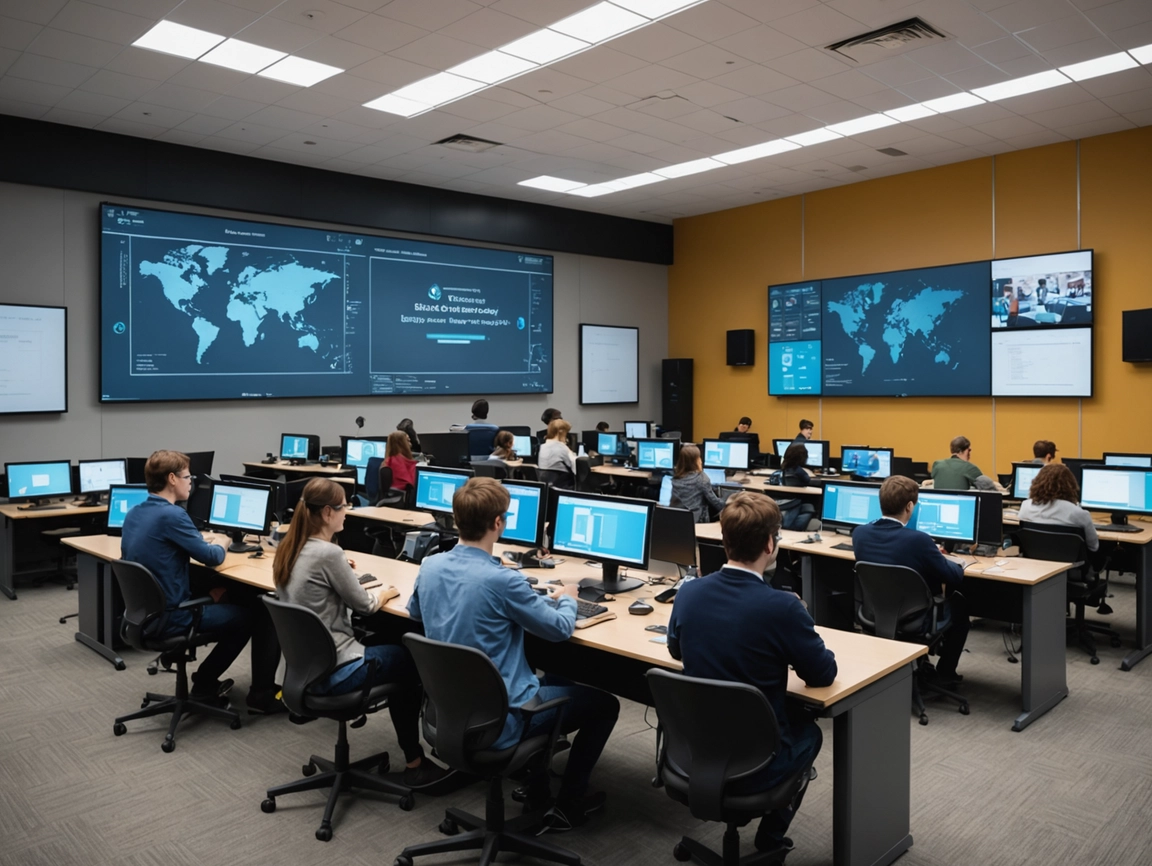
Technology has transformed the academic setting by using digital means to provide education. In a high-tech teaching method, instructors utilize education-based digital systems to facilitate students. Using the smartboard, your teachers will deliver the lectures with the help of the internet. Some online teaching method provides learning material by recorded lectures that students can access anytime. The issue with this educational method is its costs. Besides, if the student is a distance learner, they may face connectivity problems.

Low-Tech Method

While most have progressed to a high-tech teaching method, some still prefer the low-tech method. It’s the method that fosters traditionally using practical training and teaching. Students are required to take notes of their lectures while they are being delivered in a physical class. The issue with this educational method is that it’s a slow way of delivering lessons.

Related Posts
Awareness

Problem with Outdated University Education

The Problem with Outdated University Education — And How We Solved It Higher education is meant to prepare students for the real world. Yet in many traditional universities, curriculum updates happen every few years. In fast-moving fields like technology, healthcare, business, and public policy, that delay means students may be learning frameworks that no longer reflect current research or industry realities. At The Continents States University, we built a different model. Our proprietary system, Continents AI, is grounded in the most recent peer-reviewed research, verified academic publications, and real-world validated findings. Students are not learning recycled textbook summaries — they are engaging with knowledge aligned to current evidence and contemporary standards. Unlike general-purpose AI systems trained on broad internet data, Continents AI is grounded in curated academic sources and curriculum-aligned research. This ensures: The results show near-perfect academic accuracy and curriculum alignment — because the system is designed for education, not entertainment. Many AI systems will write essays, complete assignments, and generate quiz answers. That may appear helpful — but it weakens learning and compromises integrity. Continents AI does not: Instead, it guides students to research, reinforces methodology, and calibrates feedback using Bloom’s Taxonomy standards. With an extremely low hallucination rate and zero false citations, the system protects academic credibility — something general-purpose AI tools cannot guarantee. Traditional universities revise curriculum periodically. Continents AI aligns responses continuously with: Students learn what is relevant now — not what was standard five years ago. Modern employers demand: An education grounded in outdated material cannot meet those expectations. By combining real-time research integration with built-in academic integrity safeguards, Continents AI ensures that students learn information that is accurate, current, and professionally applicable. Higher education must evolve. At The Continents States University, it already has. Apply Now!

Read More
Academic Degrees

What Skills Can You Gain From Earning A Master’s Degree?

Pursuing a master’s degree is a strategic investment in your future, offering advanced skills and knowledge that set you apart in today’s competitive job market. Beyond subject expertise, it enhances critical thinking, research capabilities, and leadership potential, preparing you for career advancement or a transition into a new field. Career Advancement Through Specialized Knowledge A master’s degree equips you with specialized knowledge and technical skills tailored to your industry. Programs like the Master of Science in Business Administration or Master of Arts in Organizational Leadership focus on advanced analytical skills, strategic thinking, and leadership development. These competencies often lead to better job prospects, higher earning potential, and the ability to take on senior roles. Employers value the depth of expertise that comes with advanced education, making you a strong candidate for promotions and specialized positions. Networking Opportunities for Professional Growth Networking is a key benefit of pursuing a master’s degree. Around 60% of professional opportunities arise through connections, and graduate programs provide a platform to build relationships with peers, faculty, and industry professionals. Alumni networks, professional organizations, and industry events further expand your connections, opening doors to mentorship, job referrals, and collaborative projects that can accelerate your career growth. Essential Skills for Long-Term Success A master’s program hones both hard and soft skills, including: Critical Thinking: Advanced coursework and research projects enhance your ability to analyze complex problems and develop innovative solutions. Leadership: Group projects and collaborative assignments build emotional intelligence, communication, and team management skills. Time Management: Balancing coursework, research, and professional commitments teaches you to prioritize tasks and meet deadlines efficiently. Adaptability: Exposure to diverse perspectives and evolving challenges prepares you to thrive in dynamic work environments. Conclusion A master’s degree is more than an academic achievement—it’s a transformative experience that equips you with the skills and connections needed to excel in your career. Whether you aim to climb the corporate ladder, switch industries, or launch entrepreneurial ventures, the advanced education and professional development gained through a master’s program position you for long-term success.

Read More