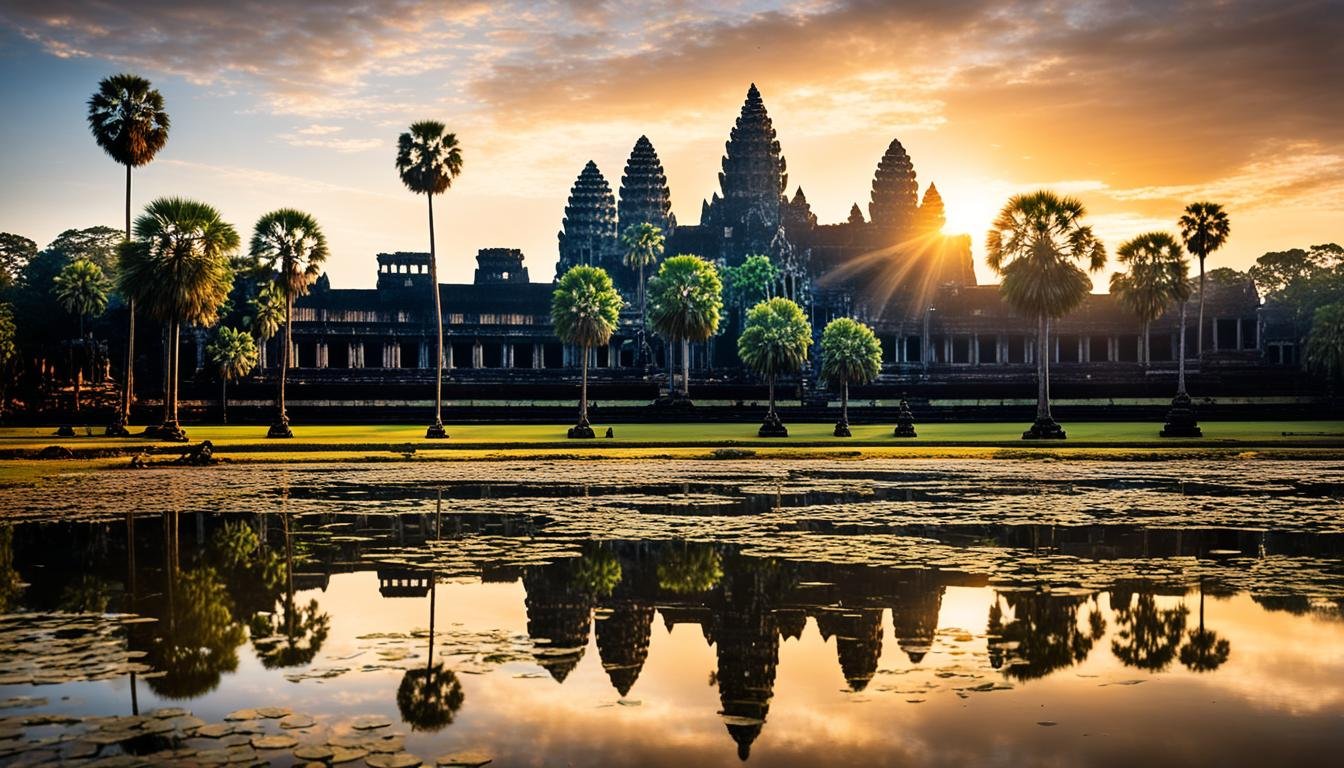
The Khmer Empire, which flourished from the 9th to the 15th century, built Angkor Wat, the largest religious monument in the world. The temple complex and the wider Angkor Archaeological Park became a UNESCO World Heritage Site in 1992.
Siem Reap, the gateway city to Angkor, is the natural base for studying Khmer civilization. Students and visitors explore temple architecture, stone carvings, and bas-reliefs that record the empire’s religion, politics, and daily life.
Beyond the temples, Cambodia’s recent history is essential context. The Tuol Sleng Genocide Museum and the Killing Fields memorials in Phnom Penh document the Khmer Rouge era of the 1970s, when nearly two million Cambodians died.
Related heritage coverage: Cambodian Horizons: Strategies for Students, Egyptology and hieroglyphics in Cairo, and Pre-Columbian art history in Mexico City.