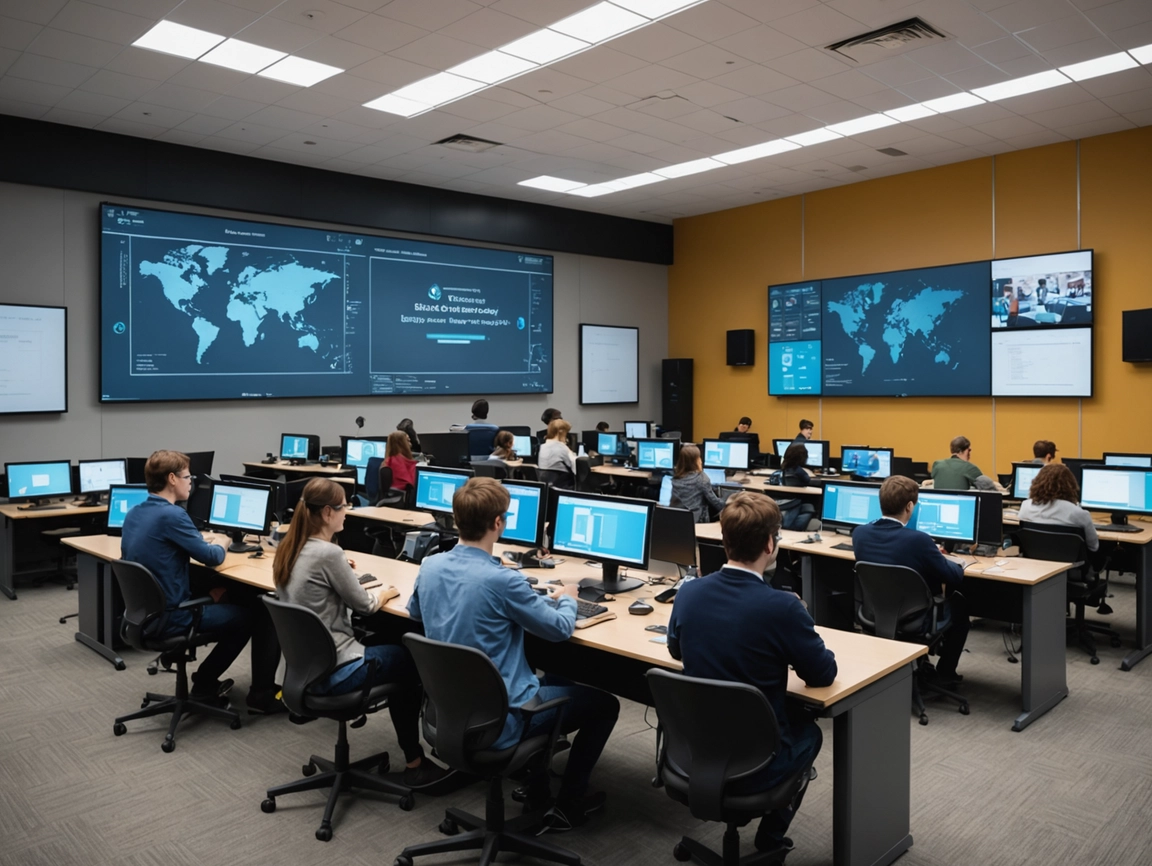
Online science courses cover life sciences, physical sciences, and social sciences. Topics include biochemistry, genetics, chemistry, physics, environmental science, psychology, and economics. Many programs combine recorded lectures with virtual labs and discussion boards.
Check accreditation the same way you would for any degree program. Confirm the school’s accreditor in the U.S. Department of Education or CHEA databases. A science degree from an accredited school is more likely to be accepted by employers and graduate programs.
Think about what the degree is for. If you want lab or field work, ask how the program handles practical training. Some programs arrange local lab partnerships or intensive on-site sessions. If your goal is data analysis or policy, a fully online format may be enough.
Science graduates work in research, healthcare, government, and industry. Compare programs on curriculum, faculty, and career support. This data science master’s overview shows one applied path, and these online learning tips help with the format. This piece on experiential learning in social sciences covers hands-on options, and this guide to flexible online learning explains scheduling.