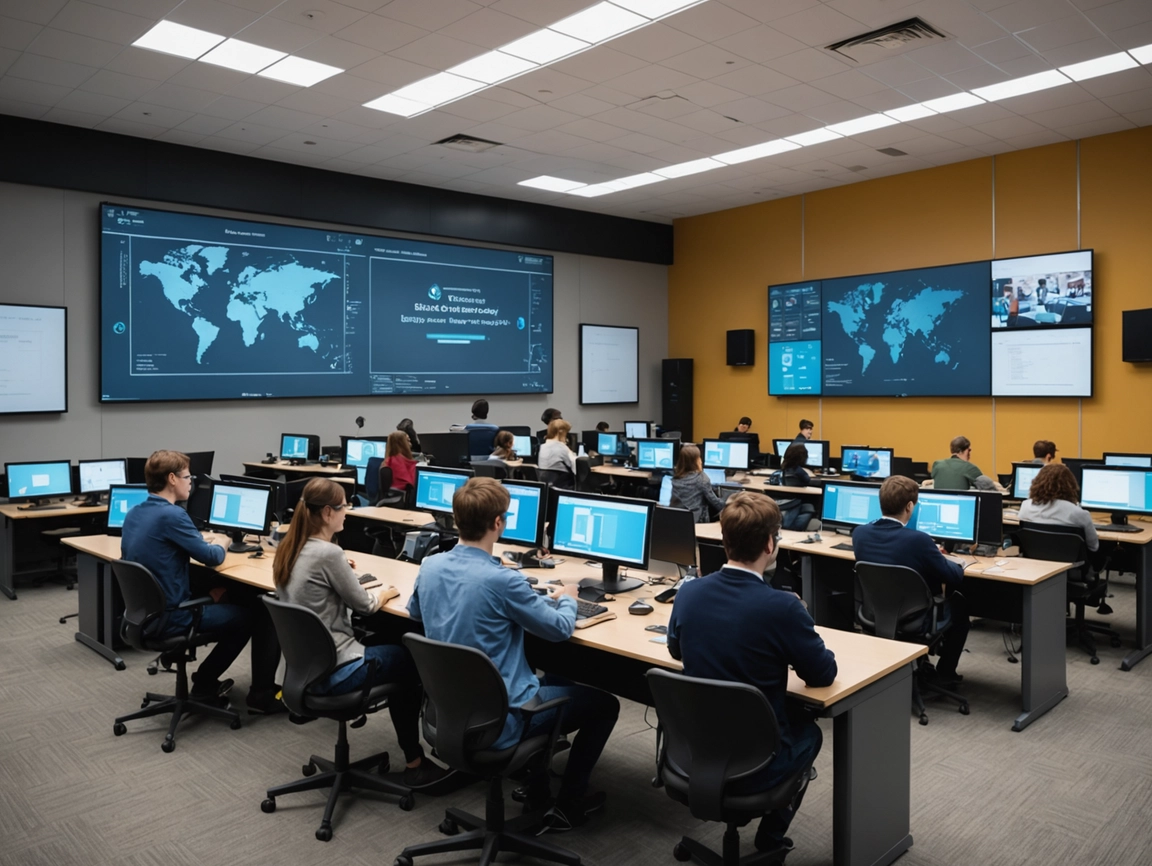
Online education fits the lives of working professionals. Courses can be completed around work hours, from any location with an internet connection. That flexibility lets people keep their jobs and income while studying.
Balancing work, study, and personal life is the central challenge. Successful students usually set fixed study hours, break assignments into smaller tasks, and plan their weeks in advance. Short, consistent study sessions tend to work better than occasional long ones. For detailed advice, see how to balance work and online study.
The career payoff can be real. A survey of HBS Online learners by the market research firm City Square Associates found that 42% said their course helped increase their salary, with an average reported increase of $17,000. Nearly 20% said their bonus increased, by an average of $14,000. These figures describe HBS Online’s own learners and their self-reported outcomes, not a guarantee for every online student.
Online programs also offer networking. Discussion boards, group projects, and virtual events connect students with professionals in other industries and regions. Those contacts can become useful long after the course ends.
Skills matter as much as credentials. Online study builds time management, written communication, and comfort with digital tools. Employers value these abilities because remote and hybrid work now depends on them.
Before enrolling, compare programs on cost, curriculum, accreditation, and the kind of student support offered. Working professionals may also want evening class options and programs built for working adults. The right program is the one that fits your schedule and moves you toward a clear career goal.