Understanding Cultural Diversity: A Comprehensive Exploration

Facebook
Twitter
LinkedIn
Pinterest
Tumblr
Telegram
Understanding Cultural Diversity: A Comprehensive Exploration
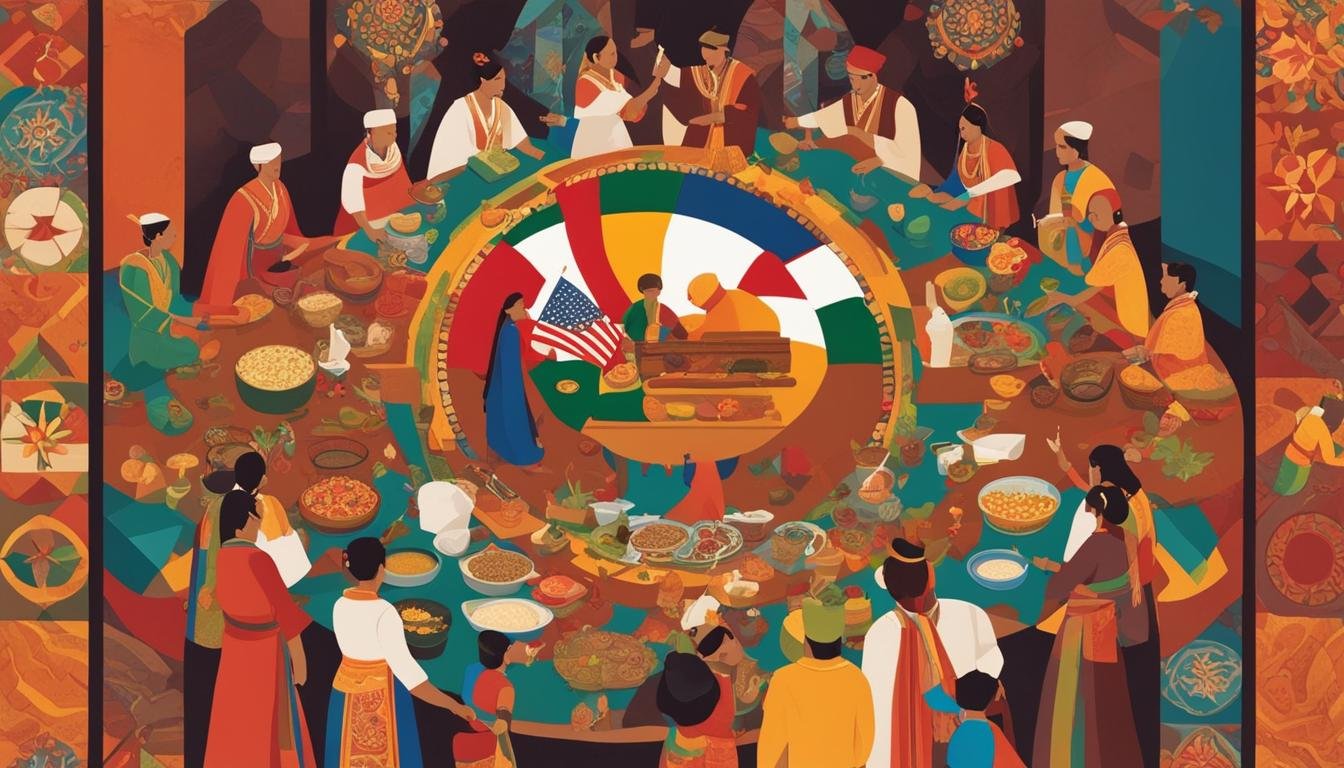
Culture shapes how we see the world, and the world is full of cultures. Understanding cultural diversity is not just politeness.

Culture shapes how we see the world, and the world is full of cultures. Understanding cultural diversity is not just politeness. It is a practical skill for living and working in a connected society.

Culture includes language, beliefs, customs, food, and values. It is passed from one generation to the next and it changes over time. Most people belong to several cultures at once: family, faith, region, profession. Each one adds a layer to how they think.

In classrooms, diversity is a resource. Students from different backgrounds bring different questions and different answers. A lesson that draws on those differences teaches everyone more than one that ignores them. Teachers can support this by using materials from many cultures, encouraging open discussion, and refusing to tolerate stereotypes. Tailored learning experiences put this into practice.

In workplaces, the same principle holds. Teams with mixed backgrounds approach problems from more angles and catch mistakes that a uniform group would miss. The challenge is communication. Different cultures have different norms about speaking up, disagreeing, and giving feedback. Good teams learn these differences instead of fighting them.

Building this understanding takes effort. It means listening more than talking, asking about norms instead of assuming them, and admitting when you get it wrong. It also means standing up when you see someone excluded for who they are. Community work helps: see volunteer experience for students.

A diverse society is stronger than a uniform one, but only if its members learn to work across their differences. That learning starts with curiosity and ends with respect. Read inspiring success stories of first-generation students for examples of students bridging worlds.

Related Posts
Academic Degrees

What Skills Can You Gain From Earning A Master’s Degree?

A master’s degree builds on what you learned as an undergraduate. You go deeper into one subject and learn how research is done in that field. The main gains are subject knowledge, research skill, and the habit of working through hard problems. Most programs end with a thesis, capstone, or applied project. That kind of work teaches you to plan a long task, find and judge sources, and present findings clearly. These are the skills employers mean when they ask for critical thinking. You also meet people. Classmates, professors, and guest speakers become a professional network. Surveys repeatedly find that a large share of workers got their current job through a personal or professional connection, so these relationships matter when you start job hunting. Reading best practices for networking and building professional relationships before you enroll can help you make the most of that time. A master’s can raise pay and open doors to senior roles, but that depends on the field. In some industries the degree is a hard requirement. In others, work experience counts for more. Examples include the Master of Science in Business Administration, which suits management and operations roles, and the Master of Arts in Organizational Leadership, which suits people moving into leadership. Review career opportunities with a master’s in business administration and the benefits of a master’s in organizational leadership before deciding. Before enrolling, talk to people doing the job you want and ask what they recommend. Their answers are worth more than any brochure.

Read More
Distance Education

Are Online Master’s Degrees Credible Like Traditional Ones?

Online master’s degrees used to be treated with suspicion. That has changed. Surveys of employers show that acceptance has grown. A 2023 survey found 83 percent of business leaders rated online degrees from well-known universities as equally valuable as on-campus degrees. A Graduate Management Admission Council survey found 54 percent of US employers rated online and in-person management degrees as equally valuable. Most hiring managers now weigh accreditation and the school’s reputation more than how the classes were delivered. Accreditation is the thing to check. An accredited online program meets the same standards as an accredited campus program. If a school is not accredited, the degree will not carry weight no matter how it was delivered. Online study suits people who need flexible online learning. Working parents and full-time employees can study in the evenings instead of commuting to campus. The trade-offs are real too. You need discipline to study alone, and you will miss the casual conversations of campus life. These tips for succeeding in online learning can help if you go this route. Choose based on your life, not on prestige alone. Compare options such as online master’s programs in business administration and accredited low-cost programs in organizational leadership. A good program is one you can finish.

Read More