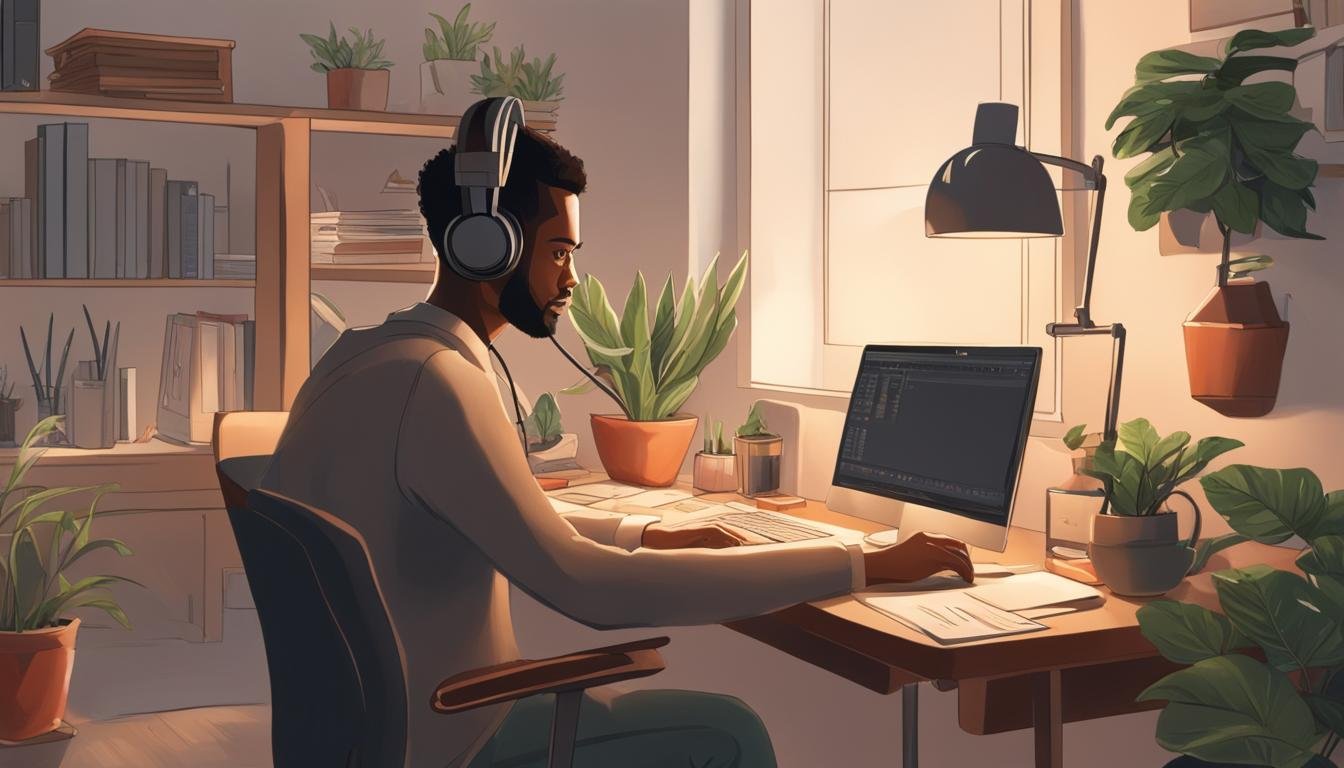
Working from home gives freedom, but distractions are everywhere: the TV, the fridge, family members, and the phone. A few practical changes make focus much easier.
Create a dedicated workspace. A separate room is ideal, but a corner with a desk works. The point is a clear boundary: when you sit there, you are working. Avoid the couch and the kitchen table, which your brain links to rest and food. Tell people in your home your work hours and ask them to respect the space.
Use a calendar and a to-do list. Put work blocks, meetings, and deadlines on the calendar with reminders. Each morning, write the day’s top three tasks. Checking them off gives structure that an office would normally provide.
Control noise. Some people focus better with instrumental music or ambient sound, which masks household noise without the distraction of lyrics. Headphones also signal to others that you are busy. Test what works for you; there is no single right answer.
Manage the phone. Turn off non-work notifications during work blocks. Put the phone in another room if willpower is not enough. Check messages at set times instead of constantly.
Take real breaks. Step away from the desk, walk, stretch, or eat lunch away from the screen. Short breaks keep attention sharp through the afternoon. End the workday at a set time and leave the workspace; the commute home is gone, so you need a new off switch.
Stay connected with colleagues through chat and video calls. Isolation hurts motivation over time. For more on this, read maximizing productivity when working from a home office, how entrepreneurs maximize productivity working from home, online collaboration tools, and time management techniques for increased productivity.