
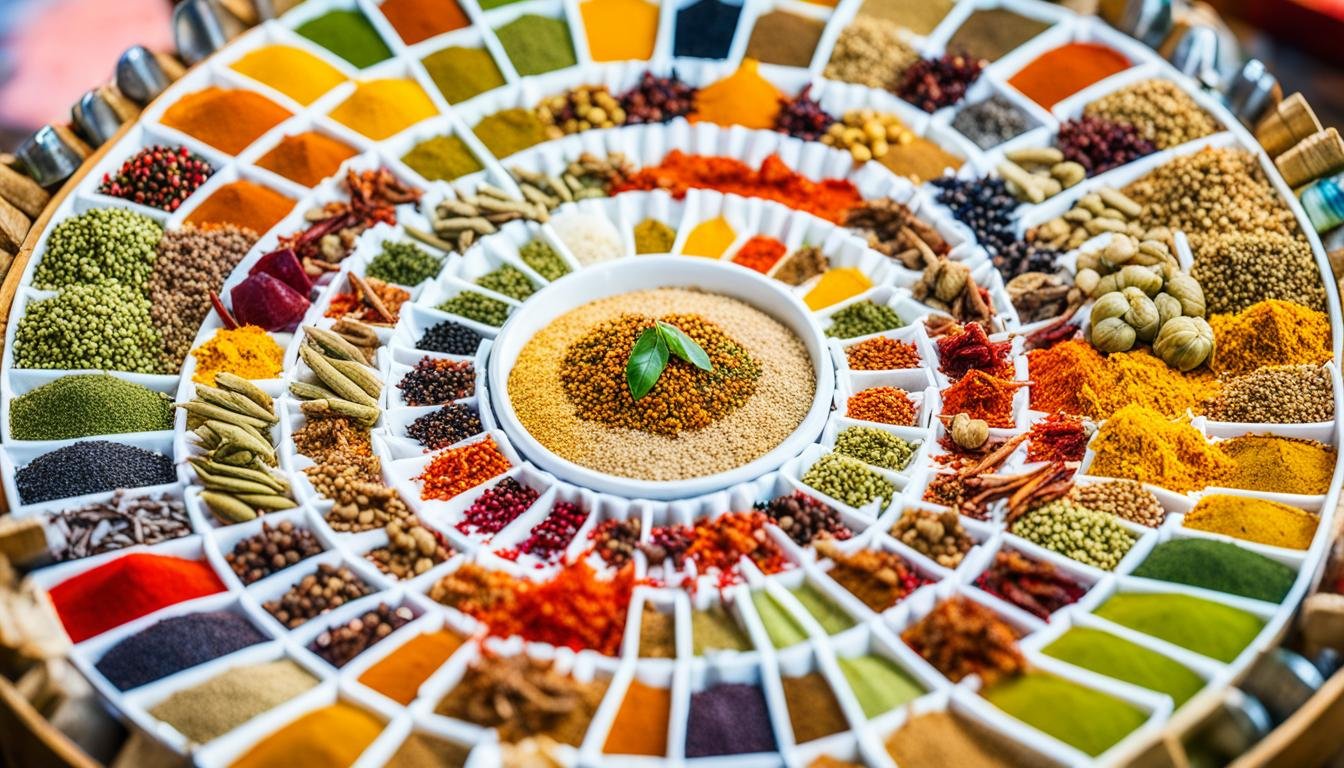
Thailand: Southeast Asian Culinary Arts Bangkok

Facebook
Twitter
LinkedIn
Pinterest
Tumblr
Telegram
Thailand: Southeast Asian culinary arts Bangkok Thailand
Explore Thailand's vibrant culinary scene in Bangkok. Discover authentic flavors, cooking techniques, and cultural influences in Thailand: Southeast Asian culinary arts Bangkok Thailand.

Thai food is known for balancing sweet, sour, salty, and spicy flavors in a single dish. The cuisine draws on fresh herbs such as lemongrass, galangal, and holy basil, along with chilies and coconut milk. These flavors make Thai cooking one of the most popular cuisines in the world.

Regional styles differ. The central region is known for curries such as red curry and massaman. The north is known for noodle dishes such as khao soi. The south is known for seafood and hotter dishes. Bangkok brings all of these together, with street vendors selling pad thai, tom yum goong, and mango sticky rice across the city.

Bangkok is also a real place to study cooking. Le Cordon Bleu Dusit is a culinary school in Bangkok run in partnership between Le Cordon Bleu and Dusit. It opened in 2007 and offers programs in French cuisine, pastry, bakery, and a Professional Thai Cuisine Programme. It sits in the center of Bangkok, a city many people visit just for the food.

Thai food culture has its own etiquette. Meals are usually shared, with dishes placed in the center of the table. Respect for the ingredients and for the people who grew them is part of the tradition. Visitors who learn a little about these customs get more out of the experience.

For those thinking of studying food, related guides include the culinary arts master program in Paris and the sustainable food systems master in Portland. A broader look at the industry is the hospitality management master in Honolulu.

Careers include work as a chef, food writer, or hospitality manager. Practical training and a real portfolio matter more than any single credential.


Related Posts
University Enrollment

How To Choose The Right MiniMaster Course At Continents International University

Start with your goal. Write down the job you want after the program. Then read each MiniMaster track description on the university website and check which one teaches the skills that job needs. A vague interest in business is not enough. Be specific. Read the curriculum, not just the brochure. Look at the module list. Check how the work is assessed and how many hours each module takes each week. If the program page does not answer these questions, contact the university and ask. Be honest about your schedule. A short certificate still needs real hours every week. If you work full time, pick a pace you can keep for the whole program. Finishing matters more than finishing fast. Talk to people who finished the track you are considering. Alumni can tell you what the workload was really like and whether the certificate helped at work. The university may be able to connect you with past students. When you have a shortlist, read the enrollment guide for the MiniMaster program so you know the application steps. If you are weighing a MiniMaster against a full degree, see how students transition from a MiniMaster to full-time studies. New students can also review the resources available to MiniMaster students and tips for staying motivated during the program.

Read More
Public Health Careers
Education

Public Health Careers – Opportunities And Impact Explained

Public health is the work of keeping whole communities healthy. It covers disease prevention, health education, environmental safety, and the policies that shape all three. Epidemiologists study how diseases spread and advise on how to stop them. Health educators run community programs on nutrition, vaccination, and screening. Biostatisticians analyze health data so policymakers can base decisions on evidence. Environmental health scientists look at how air, water, and housing affect health. There is also a management side. Public health administrators run programs, manage budgets, and coordinate between hospitals, government agencies, and nonprofits. Much of the field deals with the social factors behind health: income, education, housing, and access to care. The Centers for Disease Control and Prevention and the World Health Organization publish open data and guidance that anyone can read. They are good starting points if you want to learn the field on your own. A graduate degree can prepare you for the management and policy roles. Options include the Master of Science in Healthcare Administration; read why students choose a master’s in healthcare administration online to see if the format suits you. The Master of Arts in Organizational Leadership suits those aiming at leadership roles. Whatever you study, look for programs that include real projects with health organizations. You can also start closer to home with ways to support public health in your community.

Read More