
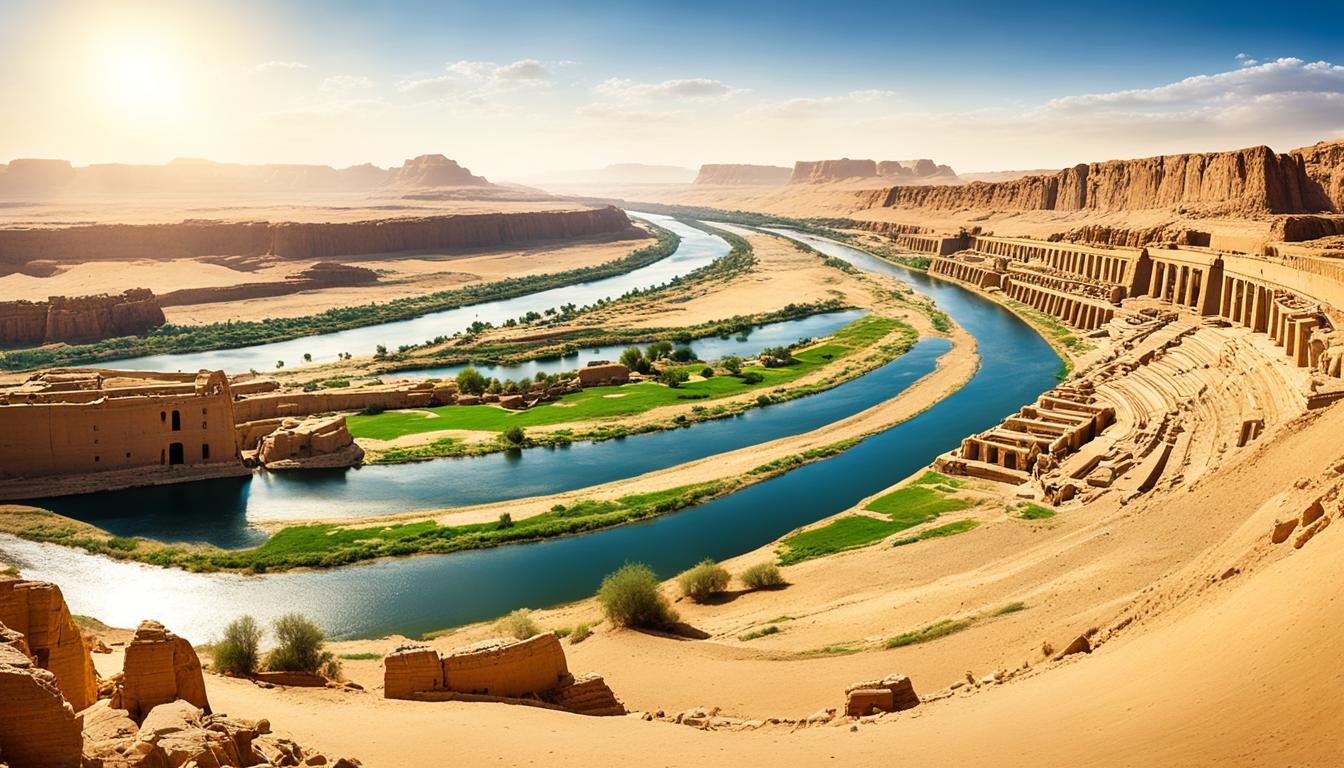
Sudan holds some of Africa’s most important ancient sites. The kingdoms of Kerma and Kush built cities and pyramids along the Nile long before the common era. The pyramids of Meroe, south of Khartoum, are the best-known remains of the Kushite kingdom.
The Meroitic script, used in the later Kushite period, is one of the writing systems scholars are still working to fully understand. Finds from Nubian sites fill museums in Khartoum and abroad. The National Museum in Khartoum holds a major collection of artifacts from the Nile Valley.
Studying Sudanese archaeology means engaging with a deep record of African civilization that is often overlooked in favor of Egypt. Students can focus on field archaeology, epigraphy, or museum studies. Work in the region requires care, patience, and respect for local communities.
Anyone interested in this field should also read the Mediterranean archaeology PhD in Tunis and the Viking history and archaeology program in Oslo. For another ancient American tradition, see pre-Columbian art history in Mexico City.
Careers include academic research, museum work, and heritage management. Field schools and strong language training help graduates stand out.