
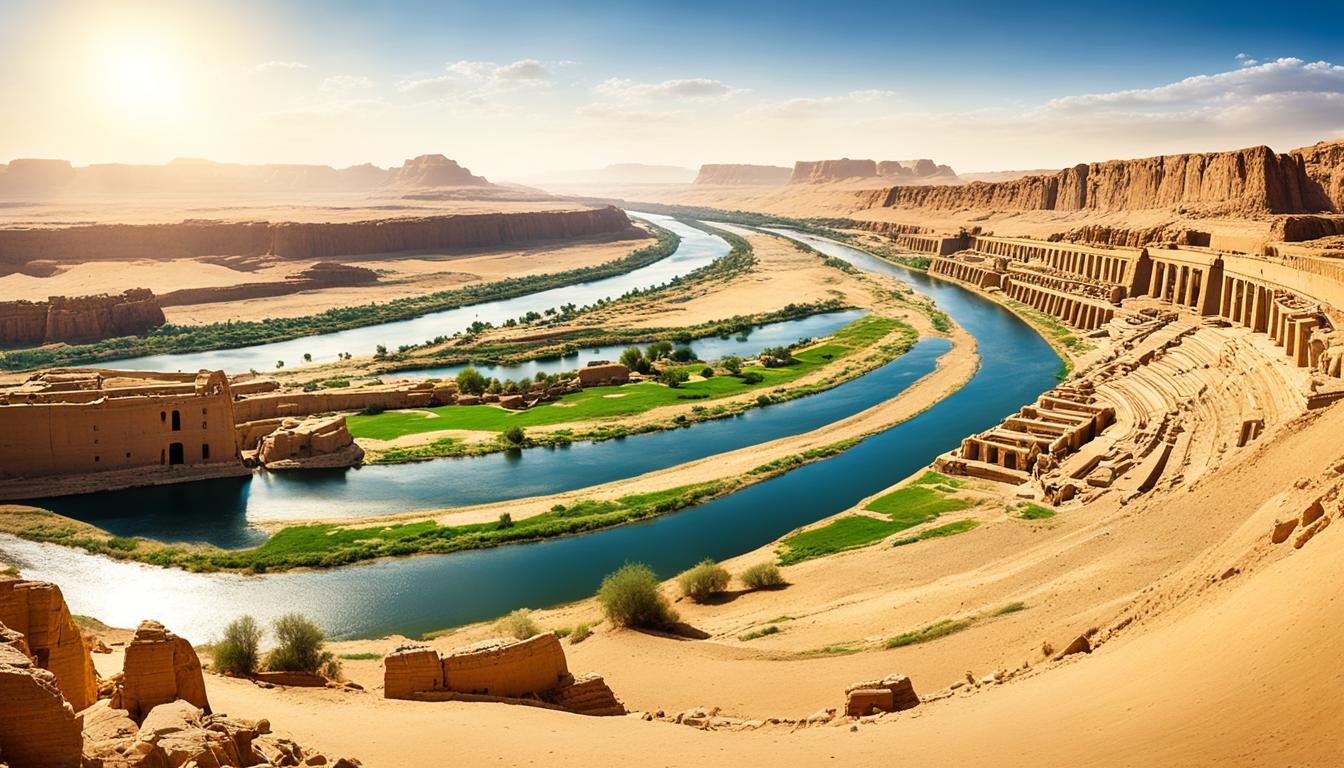
Nestled in the heart of Africa, Sudan boasts an astonishing archaeological legacy that has captivated scholars and enthusiasts alike. With over 6,000 registered archaeological sites, this nation stands as a true treasure trove, brimming with the untold stories of civilizations that once thrived along the life-giving Nile River. From the towering Pyramids of Meroe to the enigmatic Meroitic script, Sudan’s ancient wonders have the power to transport visitors back in time, unveiling the rich cultural tapestry that has woven together the diverse peoples of this region for millennia.
Key Takeaways
- Sudan is home to over 6,000 registered archaeological sites, making it a veritable treasure trove of ancient civilizations.
- The Nile River has been a crucial factor in shaping the development of various cultures and settlements in Sudan for thousands of years.
- The National Museum of Khartoum houses one of the finest collections of antiquities from the Nile Valley, many of which will be exhibited for the first time outside of Sudan.
- The Kushite Kingdom and its legacy, including the Meroe Pyramids and the Meroitic script, are integral to understanding Sudan’s rich cultural heritage.
- Recent archaeological discoveries in Sudan continue to shed light on the nation’s role in the history of ancient Nubia and its interactions with Egypt and the Mediterranean world.
The Cradle of Civilization: Sudan’s Rich Archaeological Heritage
Located at the crossroads of Africa and the Mediterranean, Sudan has been a strategic hub for centuries, with the mighty Nile River shaping the development of ancient settlements and cultures. This unique geographical position has contributed to Sudan’s remarkable archaeological heritage, which includes the remnants of several captivating civilizations, such as the Kerma Kingdom, the Kingdom of Kush, and the Meroitic Empire.
Sudan’s Strategic Location at the Crossroads of Africa and the Mediterranean
From the ancient Kerma Culture to the towering Meroe Pyramids, Sudan’s archaeological sites serve as a testament to its pivotal role in the Nile Valley’s history. The country’s strategic location, nestled between the African interior and the Mediterranean world, facilitated the exchange of ideas, technologies, and cultural traditions, leading to the emergence of diverse and vibrant societies.
The Nile River’s Influence on Ancient Settlements and Cultures
The life-giving Nile River has been the backbone of Sudan’s ancient civilizations, providing the necessary resources for the development of agriculture, trade, and urban centers. Along the banks of this mighty waterway, the Kushite Kingdom, with its capital at Meroe, flourished, leaving behind a rich legacy of Meroitic script, architectural marvels, and the iconic Meroe Pyramids that continue to captivate visitors from around the world.
Sudan: Nile Valley archaeology Khartoum Sudan
The Sudan, the largest country in Africa, is a treasure trove of Nile Valley archaeology. The mighty Nile River has played a pivotal role in shaping the region’s ancient settlements and cultures, with archaeological sites and artifacts that span millennia of history. At the heart of this remarkable heritage lies Khartoum, the capital of Sudan, which is home to the National Museum – one of the finest collections of Nile Valley antiquities in the world.
Ongoing excavations and recent discoveries in Sudan continue to shed light on the rich cultural heritage of this remarkable land. From the ancient Kerma Culture and the Napatan Period to the towering Meroe Pyramids and the fascinating Kushite Kingdom, the Sudan’s archaeological landscape is a testament to the enduring legacy of ancient Nubia and its integral role in the development of civilization along the Nile.
Jebel Barkal, a sacred mountain located near the Nile, has long been a hub of Kushite power and Meroitic script, offering a glimpse into the vibrant cultural traditions that thrived in this region. As researchers and archaeologists delve deeper into Sudan’s past, the country’s position as a crucial crossroads of African and Mediterranean influences continues to be recognized and celebrated.
Exploring the National Museum of Khartoum
Nestled in the heart of Khartoum, the capital city of Sudan, stands the National Museum of Khartoum – a true treasure trove of Nile Valley antiquities. This remarkable institution houses one of the finest collections of artifacts and archaeological finds from the region, offering visitors a captivating glimpse into the rich history and cultural heritage of Sudan.
A Treasure Trove of Nile Valley Antiquities
The museum’s vast collection spans millennia of history, from the Palaeolithic era to the Islamic period. Visitors can explore a diverse array of artifacts, from towering statues and intricate carvings to delicate pottery and jewelry, all of which have been meticulously preserved and curated to tell the story of Sudan’s past. Key items in the collection highlight the contrast between the worldly power of ancient Sudanese cultures, such as the Kerma Kingdom and the Kingdom of Kush, and the more humble artifacts from later Christian and Islamic eras.

The National Museum of Khartoum is truly a treasure trove of Nile Valley archaeology, offering a window into the rich cultural tapestry that has shaped this region for thousands of years. With its vast collection and engaging exhibits, the museum has become a must-visit destination for anyone interested in exploring the captivating history of Sudan and the Nile Valley.
The Kerma Kingdom: Rulers and Sacrificial Rituals
The Kerma Kingdom, an ancient Nubian civilization along the Nile River in present-day Sudan, captivates archaeologists with its rich history and cultural practices. This kingdom, which flourished for over a millennium, was renowned for the elaborate tombs of its rulers and the intriguing tradition of sacrificial rituals.
Kerma’s rulers were believed to wield immense worldly power, and this belief was manifested in their lavish burials. Archaeologists have uncovered numerous Kerma burial sites, revealing a wealth of artifacts that provide insight into the kingdom’s beliefs and customs. One particularly striking aspect of these burials is the practice of sacrificing hundreds of people to be interred alongside the ruler, a testament to the kingdom’s unwavering commitment to the afterlife.
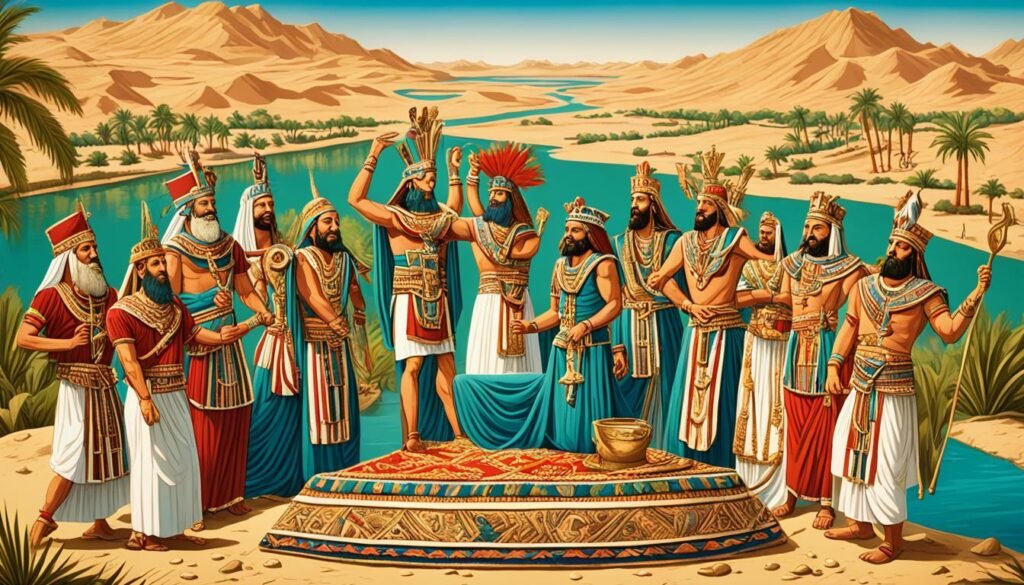
These sacrificial rituals, which were likely performed to ensure the ruler’s continued influence in the afterlife, have captivated scholars studying the Nile Valley archaeology of Sudan. The sheer scale and complexity of these burials underscore the Kerma Kingdom’s sophisticated understanding of the spiritual realm and its role in the earthly world.
As researchers continue to uncover the secrets of the Kerma Kingdom, the insights they gain into this ancient Nubian civilization shed light on the rich cultural tapestry that once thrived along the banks of the Nile River. Sudan’s archaeological treasures, including the Kerma Kingdom, offer a window into the past and inspire a deeper appreciation for the enduring legacy of the Nile Valley.
The Kingdom of Kush: Merging Egyptian and African Traditions
In the heart of Sudan, the ancient Kingdom of Kush stood as a powerful civilization that seamlessly blended the traditions of Egypt with the rich cultural heritage of Africa. This thriving kingdom, nestled along the Nile Valley, left an indelible mark on the region, showcasing its architectural prowess and artistic achievements.
The Meroitic Script: A Glimpse into Kushite Culture
One of the most fascinating aspects of the Kushite Empire was the development of the Meroitic script, a writing system that provided a unique window into the kingdom’s language, beliefs, and societal structure. This script, which emerged during the kingdom’s golden age, allowed the Kushites to record their history, rituals, and administrative practices, offering invaluable insights into their sophisticated civilization.
Ongoing archaeological excavations and research continue to uncover new treasures and shed light on the intricacies of Kushite culture. From the impressive construction of hundreds of pyramids to the intricate artifacts and inscriptions, the legacy of the Kingdom of Kush continues to captivate scholars and ignite the imagination of those exploring the rich tapestry of Sudan’s ancient history.

Meroe: The Pyramids of the Black Pharaohs
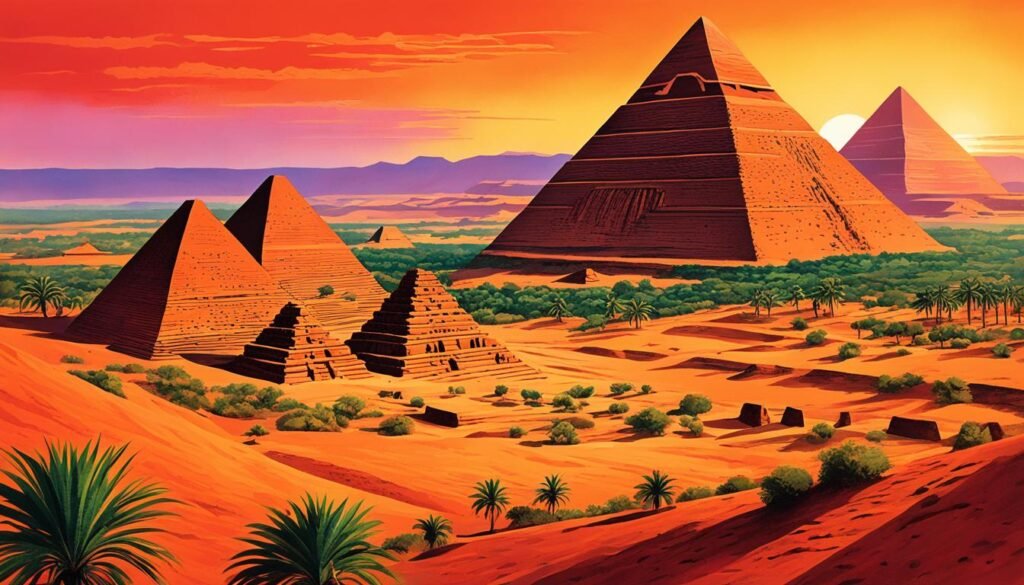
The ancient city of Meroe, nestled in the heart of Sudan, stands as a testament to the architectural prowess and cultural sophistication of the Kushite Empire. This historic site, once the capital of the Kushites, is renowned for its well-preserved pyramids, often referred to as the “Pyramids of the Black Pharaohs.” These majestic structures, built during the Napatan and Meroitic periods, showcase the engineering genius of the Kushite civilization.
Architectural Marvels of the Kushite Empire
The Meroe pyramids, numbering over 200, are a remarkable feat of ancient engineering. Unlike the iconic pyramids of Egypt, the Kushite counterparts are smaller in scale but no less impressive. These structures were constructed using locally sourced stone and sand, with intricate designs and a unique stepped appearance that sets them apart from their Northern neighbors.
Ongoing archaeological excavations and research continue to shed light on the advanced construction techniques employed by the Kushites. Scholars have uncovered evidence of sophisticated planning, including the use of precise measurements and the incorporation of astronomical alignments. The Meroe pyramids stand as a testament to the Kushites’ mastery of architecture and their deep connection to the Nile Valley’s rich cultural heritage.
The significance of the Meroe pyramids extends beyond their architectural marvels. These structures were closely tied to the Kushite’s religious and funerary practices, serving as the final resting places for their rulers, known as the “Black Pharaohs.” The pyramids’ intricate designs, including burial chambers and elaborate grave goods, offer valuable insights into the Kushite’s beliefs and their role in the broader context of ancient Nubian history.
Recent Archaeological Discoveries in Sudan
The Nile Valley of Sudan has long been a trove of ancient treasures, and recent archaeological excavations have uncovered even more remarkable finds that shed light on the region’s storied past. One particularly significant discovery is the Dangeil Cemetery, a 2,000-year-old burial site located along the banks of the mighty Nile River.
The Dangeil Cemetery: Treasures for the Afterlife
Archaeologists exploring the Dangeil Cemetery have unearthed a wealth of artifacts that provide valuable insights into the funerary practices and beliefs of the Kushites, an ancient civilization that thrived in the Nile Valley. Among the remarkable finds are numerous underground tombs containing a diverse array of objects, including intricate silver rings, beautifully crafted faience boxes, and even a unique “party tray” that may have been used for ritual feasting in the afterlife.
These discoveries from the Dangeil Cemetery not only enrich our understanding of Kushite culture and the people’s reverence for the afterlife, but also highlight the ongoing significance of Nile Valley archaeology in Sudan. As researchers continue to uncover the secrets of this ancient land, the treasures of the Dangeil Cemetery stand as a testament to the rich and vibrant history that remains to be explored.
Sudan’s Role in Understanding Ancient Nubia
Sudan’s strategic location at the crossroads of Africa and the Mediterranean has made it a crucial hub for unraveling the mysteries of ancient Nubian civilizations. Archaeological excavations and research conducted in Sudan have contributed significantly to our understanding of Nubian history, culture, and the intricate connections between Nubian societies and their neighbors, such as ancient Egypt.
The National Museum in Khartoum serves as a treasure trove of valuable artifacts and insights that shed light on the rich and complex history of this important African civilization. Ongoing fieldwork in the region continues to uncover new treasures, further enhancing our knowledge of ancient Nubia.
Sudan’s pivotal role in the study of ancient Nubia cannot be overstated. Researchers and archaeologists working in the Nile Valley have made groundbreaking discoveries that have profoundly shaped our understanding of this ancient civilization. From the decipherment of the Meroitic script to the unearthing of elaborate royal tombs, Sudan has proven to be a treasure trove for those seeking to uncover the secrets of the ancient Nubian world.
Conclusion
Sudan’s Nile Valley archaeology offers a captivating window into the region’s rich and diverse cultural heritage, spanning millennia of history and encompassing the legacies of numerous ancient civilizations. From the impressive Meroe Pyramids and the treasures of the Kerma Culture to the Meroitic Script and the artifacts housed in the National Museum of Khartoum, Sudan’s archaeological sites and collections continue to captivate and enlighten scholars and the public alike.
As ongoing research and excavations uncover new discoveries, Sudan’s strategic position and its role in the development of ancient Nubia become increasingly clear, solidifying its place as a crucial hub for understanding the cradle of civilization. The Kushite Kingdom, the Napatan Period, and the architectural marvels of Jebel Barkal further showcase Sudan’s pivotal position in the ancient world, offering invaluable insights into the region’s cultural and historical significance.
Moving forward, Sudan’s Nile Valley archaeology continues to captivate and inspire, as researchers and enthusiasts alike delve deeper into the mysteries of this remarkable land, uncovering the treasures that lie within and shedding new light on the enduring legacies of Khartoum and its ancient civilizations.
Source Links
- Sudan: Ancient Treasures: ancient treasures, an exhibition of recent discoveries from the Sudan National Museum by Derek A. Welsby, Julie R. Anderson | BOOKSELLER – https://www.abebooks.com/Sudan-Ancient-Treasures-exhibition-recent-discoveries/30864402598/bd
- ‘Evil Eye’ Box and Other Ancient Treasures Found in Nile River Cemetery – https://www.livescience.com/47306-nile-river-cemetery-discovered.html
- Sudan: Ancient Treasures A comprehensive survey of Sudanese ancient cultures, the history of archaeology in Sudan, current work and recent trends. The … the zone of contact between the peoples of Ce: 9780714119601 – https://www.abebooks.com/9780714119601/Sudan-Ancient-Treasures-comprehensive-survey-0714119601/plp