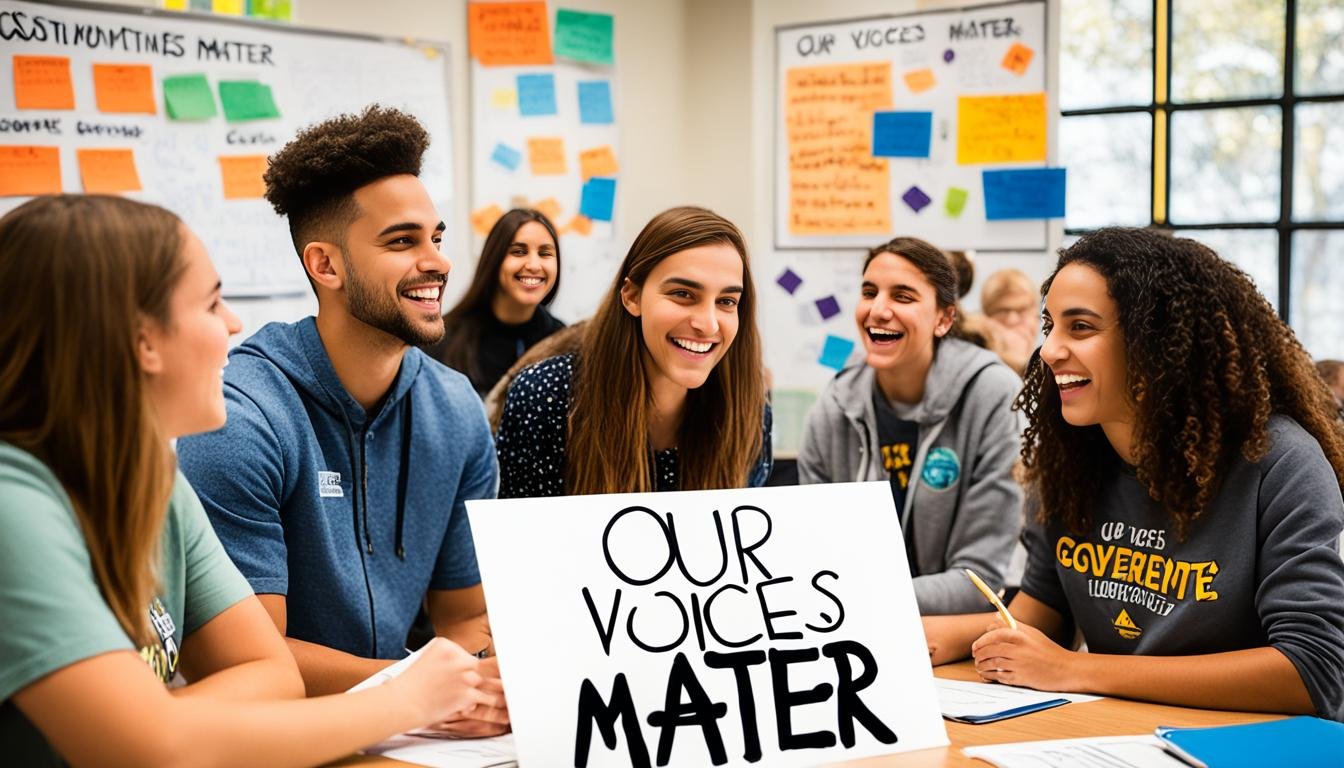
Student government gives students a voice in how their campus is run. Elected representatives work with administrators on policies, budgets for student organizations, and campus services. It is also a practical way to build leadership skills.
Common roles include president, vice president, treasurer, and senators or representatives for academic programs and student groups. Responsibilities vary by school but often include allocating student activity funds, organizing events, and serving on university committees.
Getting involved usually starts with attending meetings, volunteering for a committee, or running for a seat. Campaigns are small-scale but teach real skills: public speaking, budgeting, negotiation, and teamwork. Many student leaders say the experience helped them in job interviews because they could point to concrete results.
The time commitment is real. Meetings, events, and constituent issues add up, so balance it against coursework. Students who manage it well often build strong networks with peers, faculty, and administrators.
To develop related skills, see professional resume writing tips, maximizing internship opportunities, and campus diversity and inclusion initiatives.