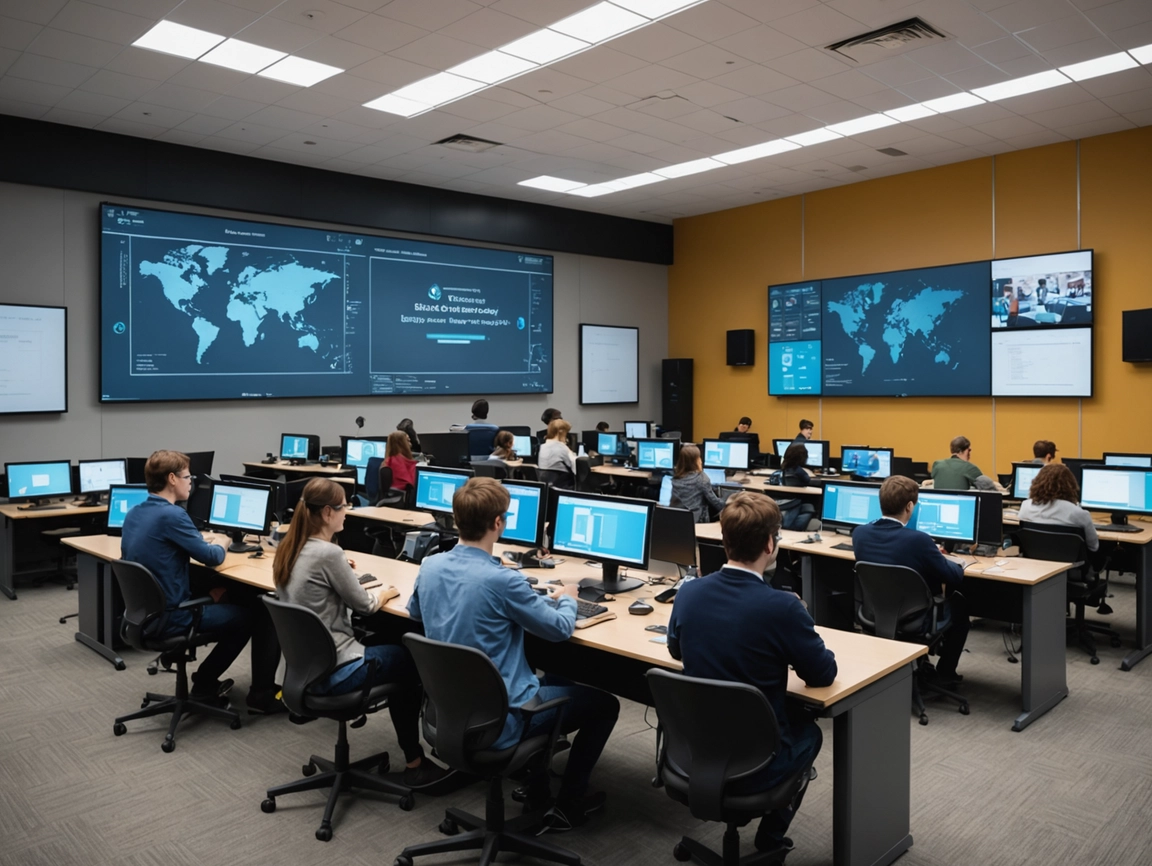
Saudi students entering higher education, at home or abroad, face a mix of opportunity and adjustment. Programs are plentiful, but the quality varies and the cultural shift of studying abroad can be sharp.
Accessible education matters most for students balancing study with work or family. Online and part-time formats let you study on your own schedule. Look for programs with clear structures, responsive instructors, and support services for international students.
Lifelong learning is worth building into your plan from the start. Employers value candidates who keep adding skills after graduation. Short courses, certificates, and workshops can keep you current in fast-moving fields like technology, finance, and health care.
If you study abroad, prepare for the practical side: visas, housing, and cost of living. Talk to current students from your country before you commit. Internships and part-time work in your field add experience that employers notice.
Choose schools on evidence. Check accreditation through official bodies, read graduation and employment data when available, and be skeptical of programs that promise results without proof. For students exploring advanced study, see PhD options in Riyadh, weigh the benefits of studying abroad, and use time management tips for online students to stay on track.