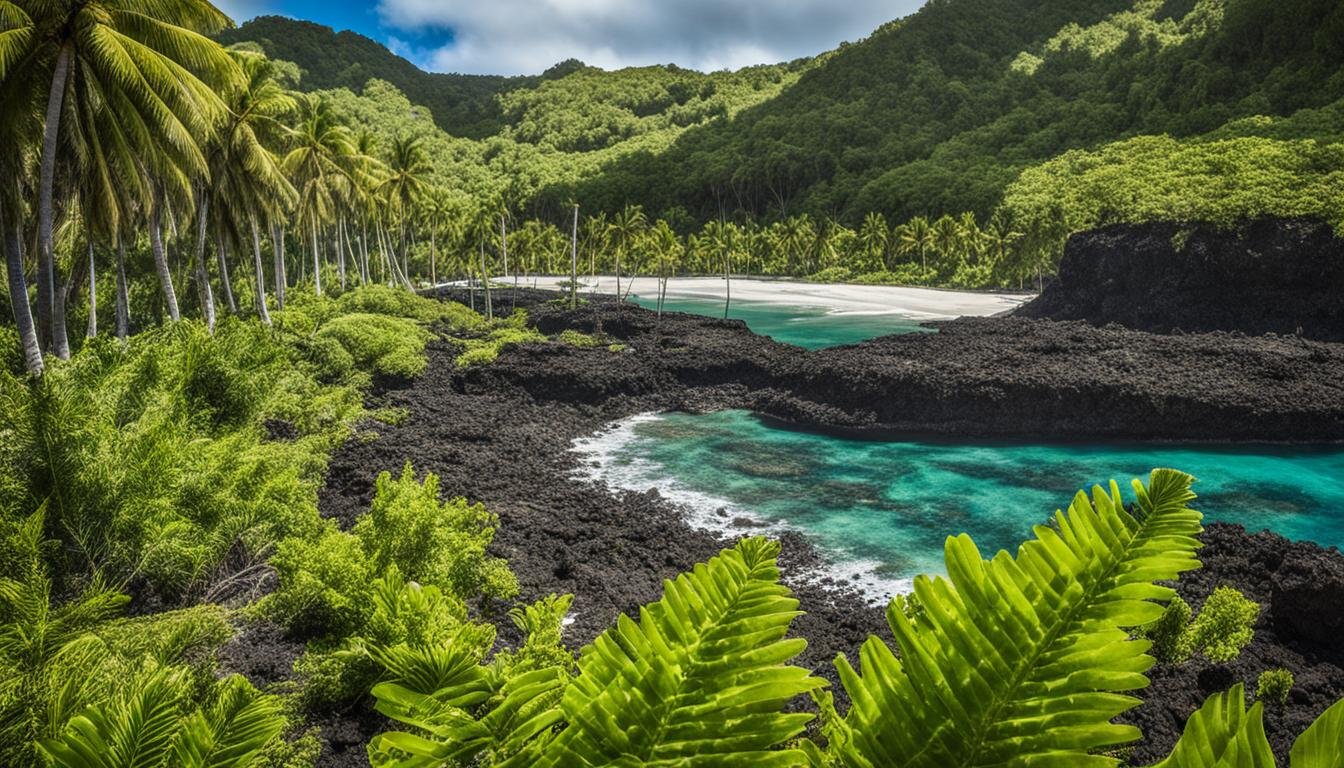
Samoa is a Pacific island nation of about 2,935 square kilometres, with most of its people living on the two main islands of Upolu and Savai’i. Around 70 percent of the population lives in coastal areas, which makes the country highly exposed to storms, flooding, and sea-level rise.
Cyclones Ofa (1990) and Val (1991) caused damage estimated at about four times the country’s gross domestic product, and a tsunami in 2009 killed 143 people. These events show why disaster preparedness sits at the center of national planning.
Climate resilience work in Samoa covers coastal protection, early warning systems, water management, and community-based adaptation. Related reading includes climate change adaptation in Tuvalu, climate change in Kiribati, climate resilience in Fiji, and disaster resilience in Vanuatu.
Career paths include disaster management, environmental planning, and roles with government agencies and regional organizations.