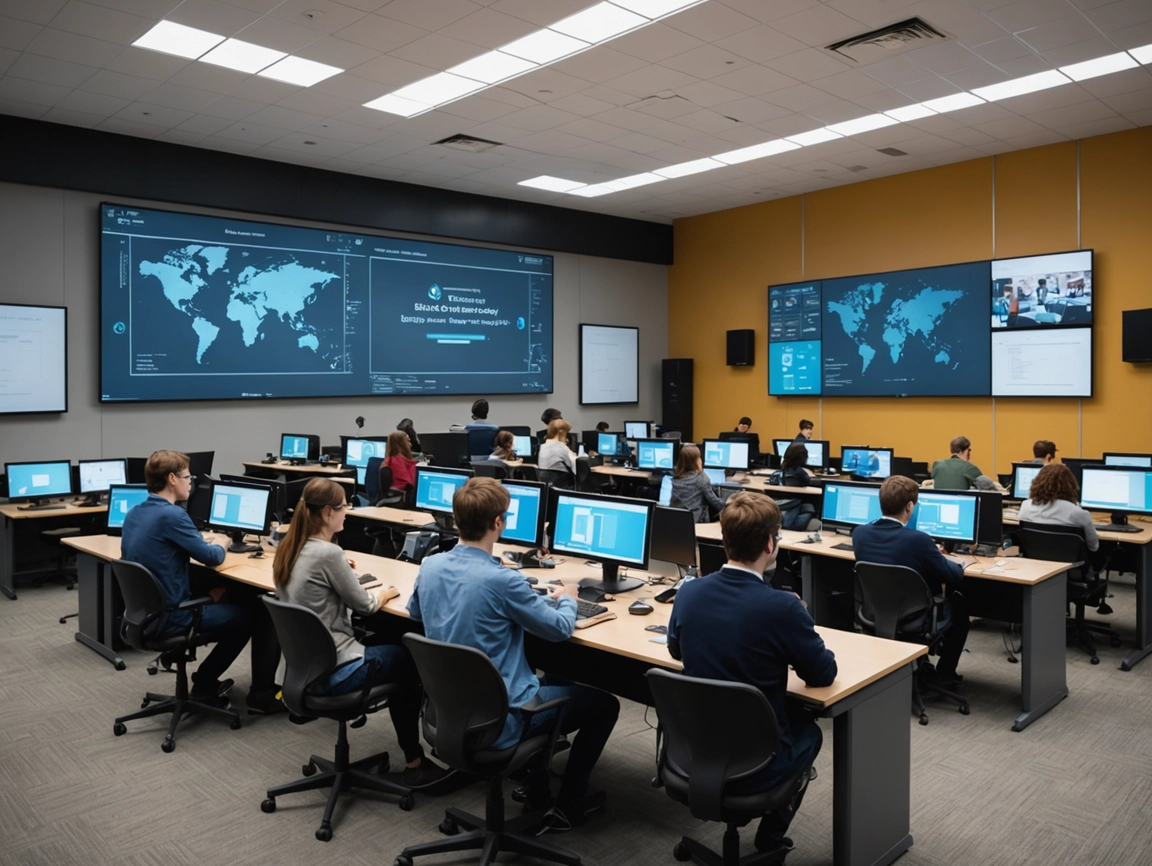
An online program can feel lonely without a community around it. Students who know their classmates and teachers are more likely to stay, participate, and finish. Building that community takes deliberate effort, but the methods are straightforward.
Start with a clear purpose. A community built around shared courses, a program, or a professional interest gives members a reason to show up. A short mission statement helps organizers decide what belongs and what does not.
Pick platforms students will actually use. Discussion forums handle slow, thoughtful threads. Chat tools handle quick questions and social talk. Video meetings work for events and office hours. Too many platforms split attention, so choose a few and use them well.
Regular events give the community a heartbeat. Webinars, study sessions, and informal hangouts create reasons to log in beyond coursework. Record live events so students in other time zones can catch up.
Social media can extend the community, but it needs moderation. Dedicated group accounts keep announcements visible and give members a place to talk. Set the tone early: welcoming, on topic, and respectful.
Inclusivity has to be active. Students from different countries, languages, and backgrounds join online programs. Clear language, varied event times, and explicit invitations help everyone feel they belong.
Moderation keeps the space usable. Publish simple rules against harassment and spam, and enforce them consistently. Peer moderators can share the load in large groups, and online collaboration tools often include the moderation features you need.
Ask members what they want. Short surveys and open feedback threads show what is working and what is missing. Communities that adapt to their members last longer than ones run on autopilot. For course-level ideas, see boosting student engagement online; for the technical side, the guide to the virtual learning environment covers platforms, and flexible online learning explains the student experience.