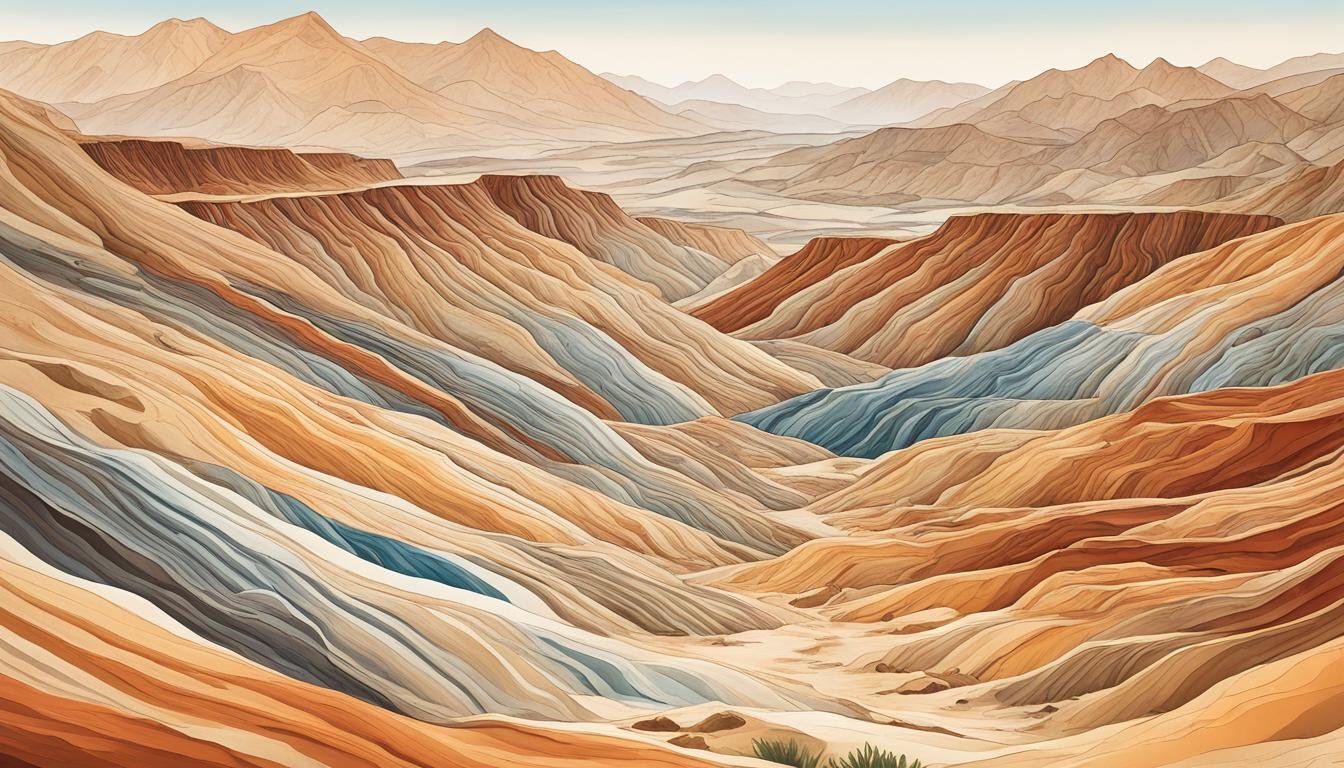
Oman is well known among geologists for its ophiolites: sections of ancient oceanic crust that were pushed up onto land. These rocks let geologists study the ocean floor directly, without going underwater, and the Omani sequences are among the most studied in the world.
The Hajar Mountains and the country’s deserts also show clear examples of arid landforms, dry river valleys, and sedimentary structures. Field courses in Oman appear in many university geology programs because the exposures are so clear.
Specific figures in the original article, including rock ages, uplift timings, gas reserve estimates, and trade volumes, could not be verified and were removed. Students should treat exact numbers in travel-style articles with care and rely on peer-reviewed geology literature instead.
Anyone considering geology fieldwork should look for earth science programs with real field components and experienced instructors. Related field-science reading includes Sahara desert ecology in Mauritania, steppe ecology in Mongolia, Sahel desertification studies in Mali, and the benefits of study abroad opportunities.