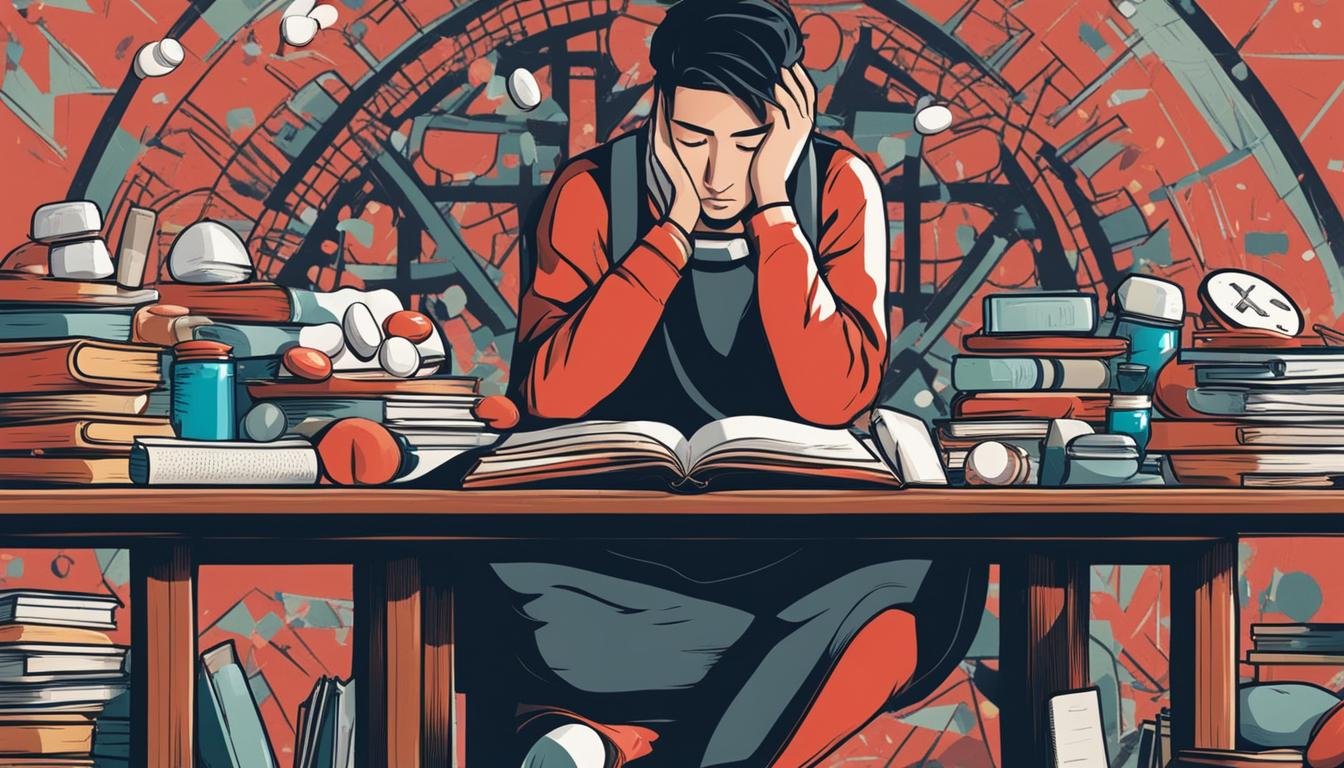
Many college students in the Philippines go through periods when their confidence drops. Heavy workloads, online classes, and personal setbacks can leave anyone doubting their ability to keep up. Feeling unsure of yourself during college is normal, and it does not mean you are failing.
When stress piles up, it helps to break problems into smaller pieces. Instead of thinking about an entire semester, focus on one assignment or one exam at a time. Setting small goals you can finish in a day gives you proof that you are moving forward. Writing down what you plan to do each morning can also stop tasks from feeling overwhelming.
Talking to people you trust makes a real difference. Friends, family members, and mentors can offer advice and remind you that others face the same struggles. If your school offers counseling, use it. Campus counselors work with students every day and can suggest coping methods that fit your situation. The mental health resources page page lists options, and this guide to mental wellness in Filipino colleges covers habits that protect your well-being.
Self-care is not a luxury. Regular sleep, meals, and short breaks during study sessions keep your mind working better. Physical activity, even a short walk, can clear your head before a difficult class. Avoid habits that make things worse, such as skipping meals or staying online late at night to dodge schoolwork.
Confidence grows with practice. Join a class discussion, ask a question after a lecture, or volunteer for a small role in a group project. Each small step builds evidence that you can handle what college asks of you. Over time, these moments add up and the doubt fades.
If low confidence turns into something heavier, like constant sadness or anxiety that does not lift, reach out for professional help. Many schools and local health offices in the Philippines offer free or low-cost support for students. For steady encouragement during your college years, the motivation strategies guide has practical ideas.