Malta has put student wellbeing at the center of its education policy. The National Education Strategy 2024-2030 names wellbeing as one of its pillars, alongside growth and equity. The strategy covers mental health support for learners and educators, annual surveys, and a dedicated wellbeing unit.
The University of Malta has its own plan. Its Strategic Plan 2020-2025 sets goals for teaching quality, research, and student support across disciplines. Vocational courses are part of the mix, aimed at improving employment outcomes for graduates.
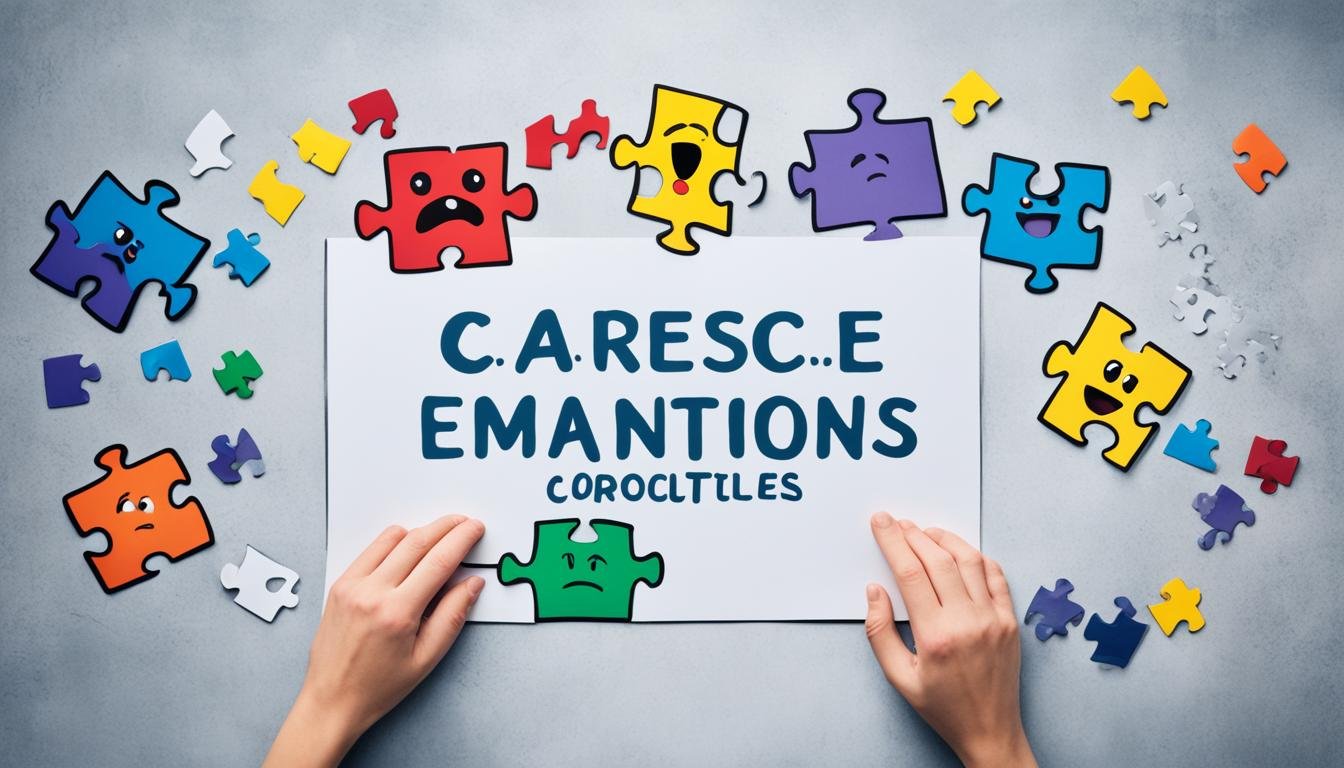
Emotional intelligence fits this picture. Skills like empathy, self-regulation, and a growth mindset help students handle academic pressure and group work. These are not soft extras. Employers value them, and they predict how well graduates adapt at work.
Students in Malta can choose between the public university, the Malta College of Arts, Science and Technology, and private providers. Compare programs on cost, accreditation, and graduate outcomes, not marketing.
Online options add flexibility for working students. Before enrolling, verify accreditation and read practical guides such as how to balance work and online study and what IACBE accreditation means. For career skills, see listening and emotional intelligence as the new leadership paradigm. This maritime law program in Valletta shows how Malta ties study to its port economy.
Wellbeing plus practical skills is a sound formula. Malta’s strategy points that way.