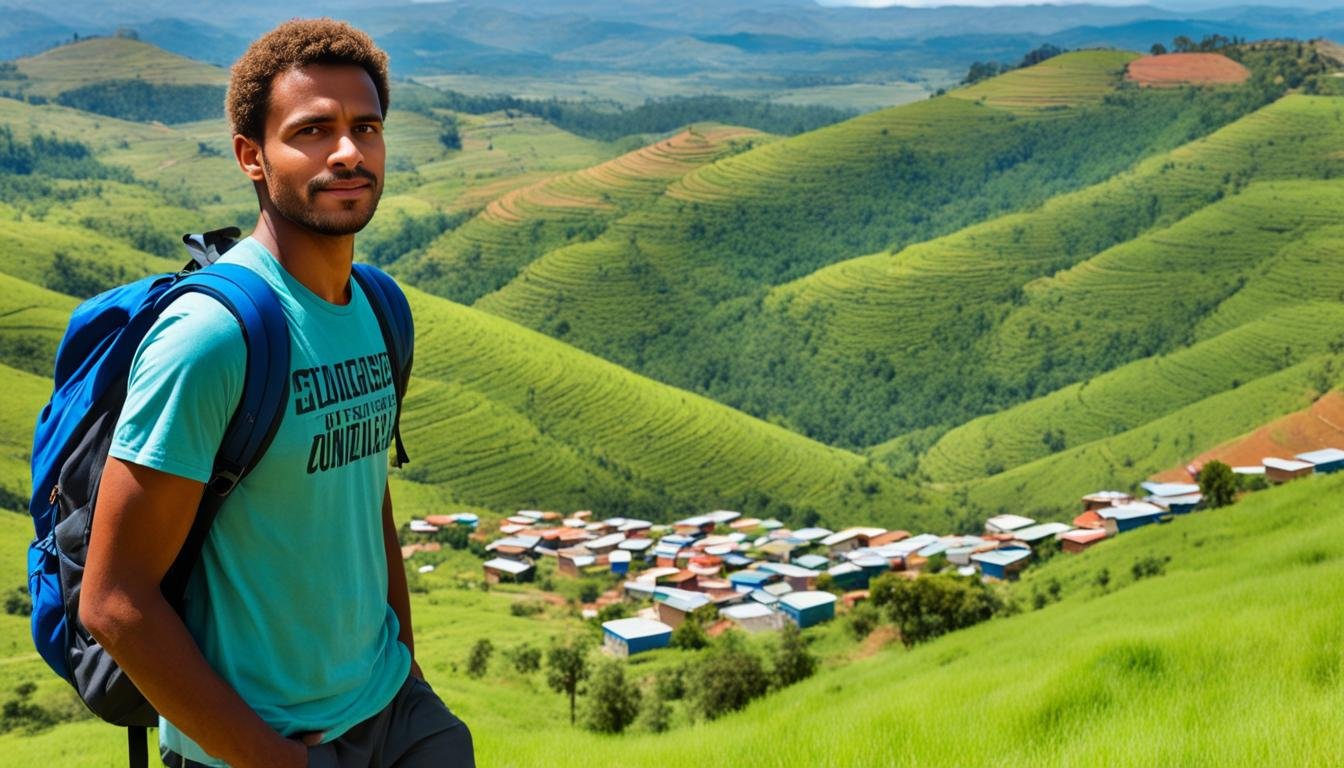
Higher education in Madagascar reaches very few people. World Bank data put gross tertiary enrollment at about 6 percent in 2023. The pipeline leaks much earlier: only about two-thirds of girls and three-fifths of boys finish primary school, and secondary enrollment sits around 34 percent.
Teacher quality is a core problem. A large share of primary teachers are community-recruited and underqualified. Cyclones destroy hundreds of classrooms each year, and many rural areas have no school at all.
For the students who do reach university, funding is the next wall. Public universities are cheap but overcrowded. Private options exist but cost more than most families can pay. Scholarships and distance learning are the realistic paths for many.
Students should focus on programs tied to real jobs. Agriculture, tourism, and mining drive the economy. Practical skills beat generic credentials. Before committing money, research scholarship options for online degrees and financial aid for online degrees. Those from displaced or poor backgrounds can look into supporting refugee education programs. And always check what accreditation a provider holds, for example what IACBE accreditation means.
Access is the central challenge in Madagascar. The students who make it through need affordable, job-linked programs, not prestige credentials.