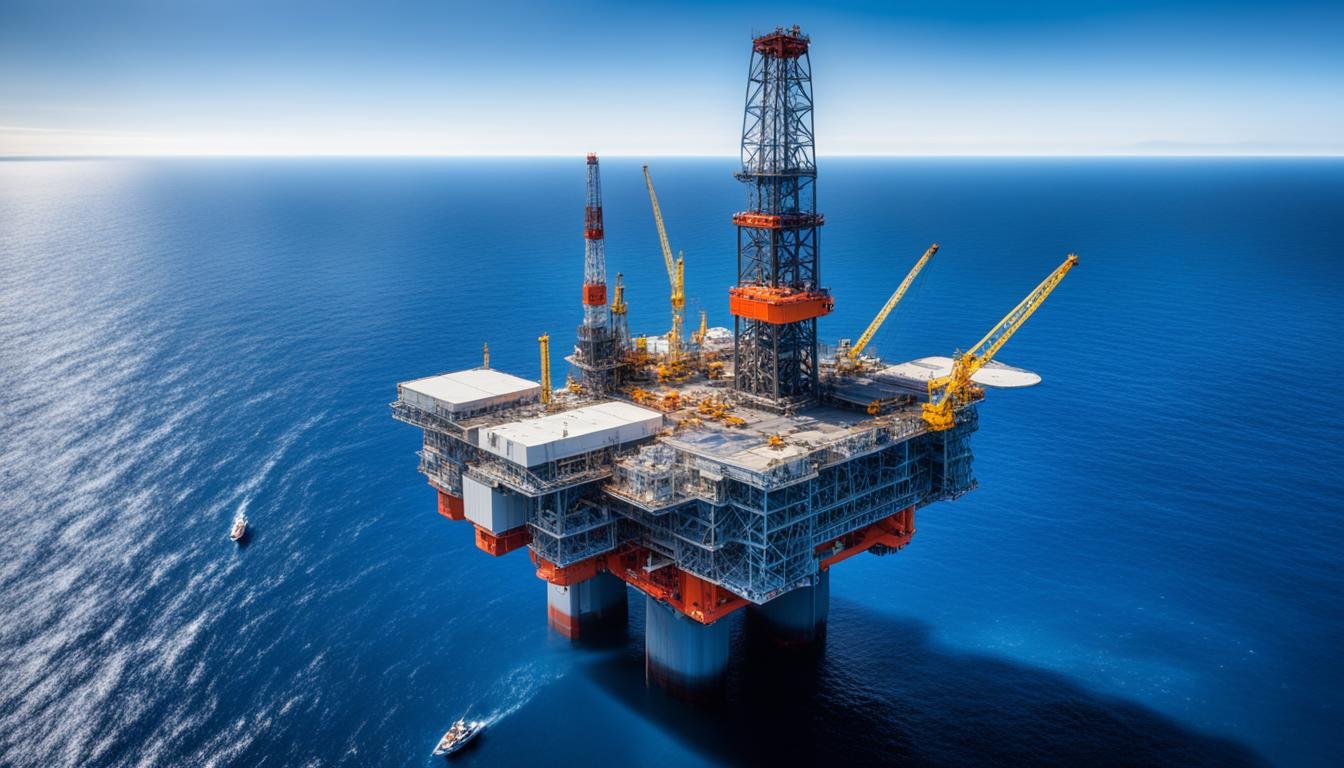
Libya holds about 48.36 billion barrels of proven crude oil reserves, reported from OPEC data, the largest total in Africa. Oil dominates the Libyan economy, so the management of production, exports, and revenue is central to national policy. The country’s National Oil Corporation has set a target of two million barrels per day of production by the early 2030s.
Studying oil management in Tripoli means dealing with the real constraints of the sector: mature fields, the need for investment in infrastructure, price swings in global markets, and the politics of revenue sharing. Key topics include petroleum economics, upstream operations, logistics and shipping across the Mediterranean, and the role of state oil companies.
Students comparing cases can look at oil and gas management in Angola, petroleum engineering in Kuwait, and oil and gas management in Houston. A useful political counterpart is South American oil politics, which covers another large oil producer shaped by state control and market change.