
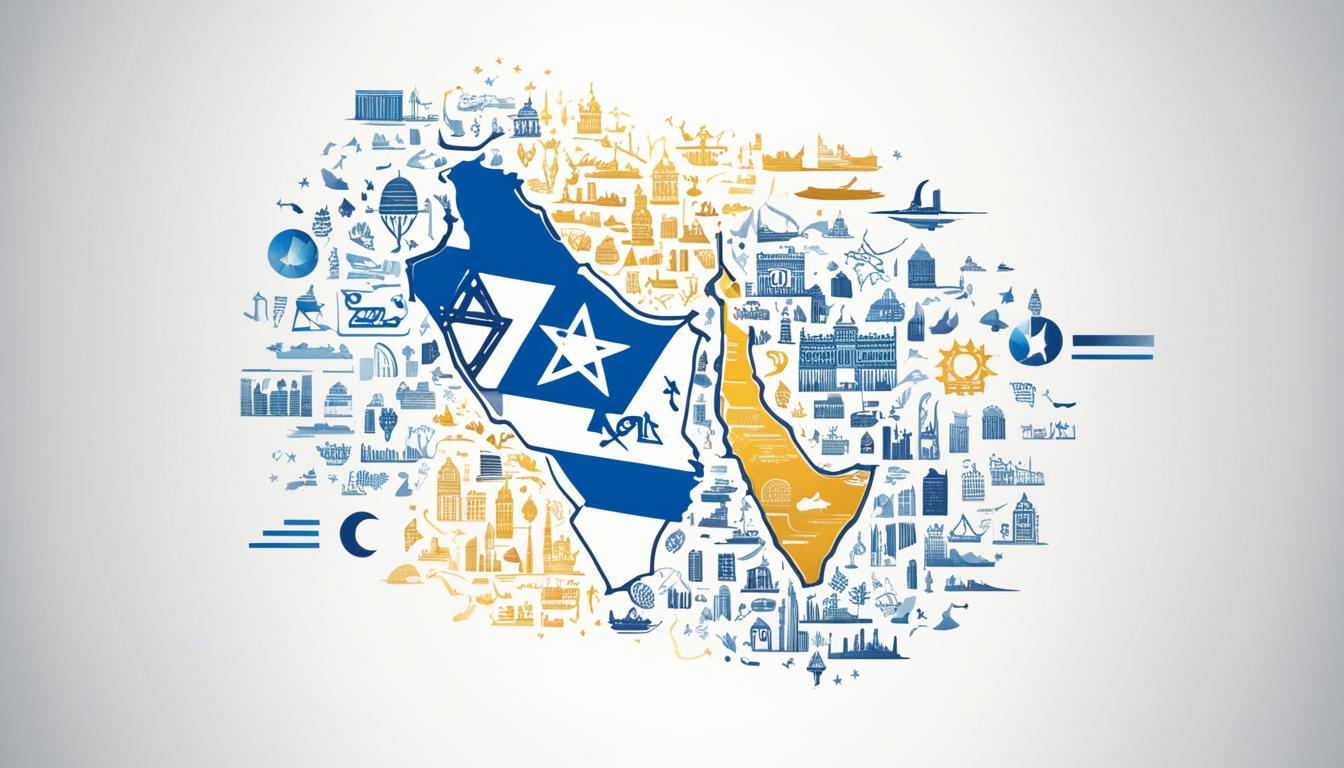
Israel: Middle Eastern Politics PhD Tel Aviv Israel

Facebook
Twitter
LinkedIn
Pinterest
Tumblr
Telegram
Israel: Middle Eastern politics PhD Tel Aviv Israel
Explore Tel Aviv University's PhD program in Middle Eastern politics, focusing on Israel's role in regional dynamics and contemporary challenges.

Tel Aviv is Israel’s largest city and its economic center, set on the Mediterranean coast. The city hosts several universities and research institutes, and its location makes it a natural base for studying the politics of the Middle East. Students interested in the region can draw on think tanks, archives, and a dense concentration of diplomats, journalists, and analysts.

A PhD in Middle Eastern politics normally requires a relevant master’s degree, a clear research proposal, and an academic supervisor willing to take the student on. Candidates should check departmental requirements directly, since programme structures differ across universities. Research topics can range from conflict and diplomacy to political economy, governance, and the history of the region.

Readers may also want to compare how the subject is taught in neighboring countries and how the broader field frames conflict and diplomacy. Useful starting points include the guide to conflict resolution studies in Ramallah, the overview of diplomacy studies in Doha, and the survey of higher education opportunities in Israel.

One caution: the original version of this article named a specific PhD programme in Tel Aviv and cited statistics that could not be verified against official sources. Treat the text above as a general guide, and confirm current programmes with the universities themselves before applying.


Related Posts
University Enrollment

How To Choose The Right MiniMaster Course At Continents International University

Start with your goal. Write down the job you want after the program. Then read each MiniMaster track description on the university website and check which one teaches the skills that job needs. A vague interest in business is not enough. Be specific. Read the curriculum, not just the brochure. Look at the module list. Check how the work is assessed and how many hours each module takes each week. If the program page does not answer these questions, contact the university and ask. Be honest about your schedule. A short certificate still needs real hours every week. If you work full time, pick a pace you can keep for the whole program. Finishing matters more than finishing fast. Talk to people who finished the track you are considering. Alumni can tell you what the workload was really like and whether the certificate helped at work. The university may be able to connect you with past students. When you have a shortlist, read the enrollment guide for the MiniMaster program so you know the application steps. If you are weighing a MiniMaster against a full degree, see how students transition from a MiniMaster to full-time studies. New students can also review the resources available to MiniMaster students and tips for staying motivated during the program.

Read More
Public Health Careers
Education

Public Health Careers – Opportunities And Impact Explained

Public health is the work of keeping whole communities healthy. It covers disease prevention, health education, environmental safety, and the policies that shape all three. Epidemiologists study how diseases spread and advise on how to stop them. Health educators run community programs on nutrition, vaccination, and screening. Biostatisticians analyze health data so policymakers can base decisions on evidence. Environmental health scientists look at how air, water, and housing affect health. There is also a management side. Public health administrators run programs, manage budgets, and coordinate between hospitals, government agencies, and nonprofits. Much of the field deals with the social factors behind health: income, education, housing, and access to care. The Centers for Disease Control and Prevention and the World Health Organization publish open data and guidance that anyone can read. They are good starting points if you want to learn the field on your own. A graduate degree can prepare you for the management and policy roles. Options include the Master of Science in Healthcare Administration; read why students choose a master’s in healthcare administration online to see if the format suits you. The Master of Arts in Organizational Leadership suits those aiming at leadership roles. Whatever you study, look for programs that include real projects with health organizations. You can also start closer to home with ways to support public health in your community.

Read More