
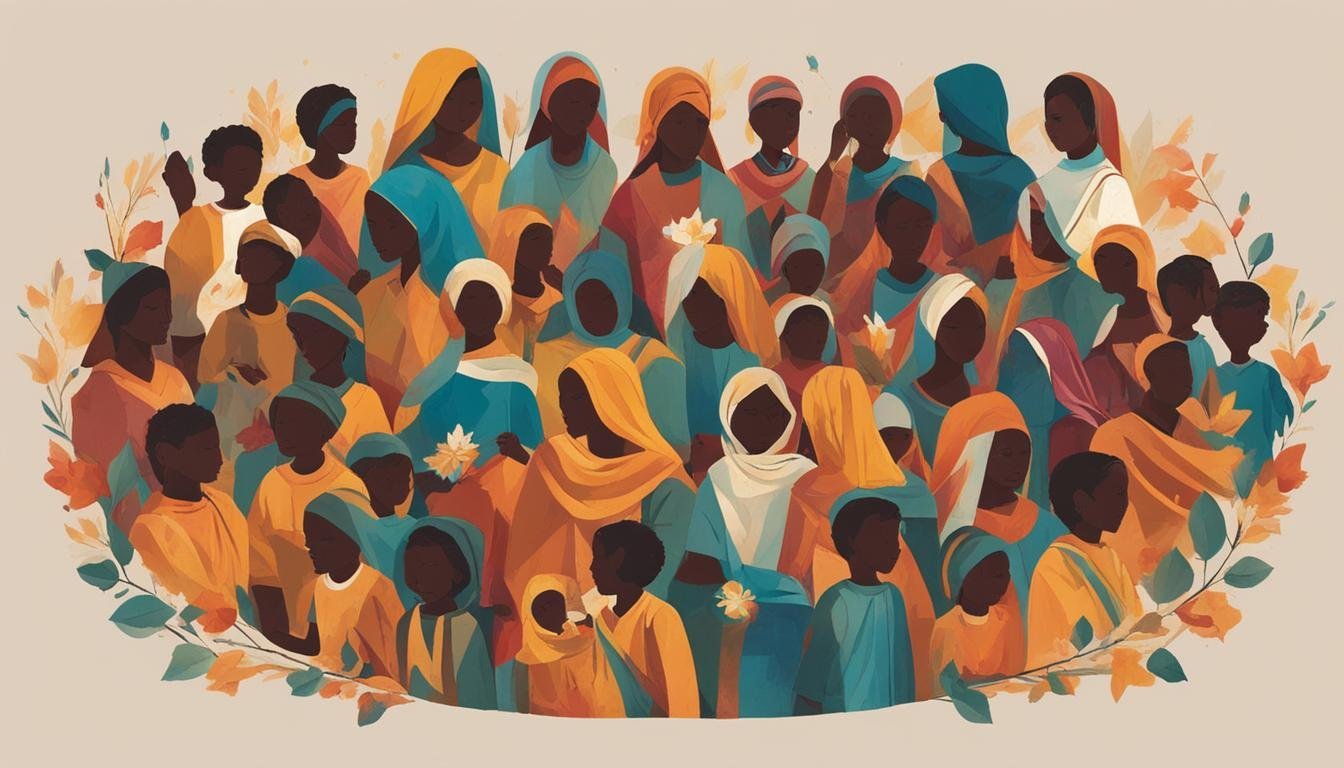
World Refugee Day is an international day designated by the United Nations to honor refugees around the globe. It falls each year on June 20th and celebrates the strength and courage of people who have been forced to flee their home countries. This day serves as an occasion to build empathy and understanding for their plight and to recognize their resilience in rebuilding their lives. It is an opportunity to raise awareness about the challenges faced by refugees and the importance of supporting and protecting them. World Refugee Day highlights the humanitarian crises faced by displaced groups such as refugees, asylum seekers, internally displaced persons, and stateless individuals.
Key Takeaways:
- World Refugee Day is a global observance to honor and support refugees worldwide.
- It aims to raise awareness about the challenges and resilience of forcibly displaced individuals.
- Refugees, asylum seekers, internally displaced persons, and stateless individuals are among the groups highlighted on this day.
- Supporting and protecting refugees is crucial in addressing humanitarian crises.
- World Refugee Day promotes empathy, understanding, and solidarity with refugees.
Types of Forcibly Displaced Persons

When discussing the topic of forcibly displaced persons, it is important to understand the different types of individuals within this category. By recognizing these distinctions, we can gain a deeper understanding of the challenges faced by refugees and other displaced groups.
Refugees
Refugees are individuals who have fled their home and country due to a well-founded fear of persecution. They often leave behind everything they know and love in search of safety and protection. These individuals have a legitimate fear of harm and are seeking asylum in a different country.
Asylum Seekers
Asylum seekers are individuals who claim to be refugees and have fled their homes, but their refugee status is yet to be evaluated. They have left their home country due to the same reasons as refugees, but their status as refugees is yet to be determined by the country they have sought asylum in.
Internally Displaced Persons
Internally displaced persons (IDPs) are those who have been forced to flee their homes but have not crossed international borders. They have been uprooted within their own country due to armed conflict, violence, or natural disasters. These individuals often face similar hardships as refugees, but within the confines of their own nation.
Stateless Persons
Stateless persons are individuals who do not have a recognized nationality and do not belong to any country. They often face a lack of basic rights and struggle to access healthcare, education, and employment opportunities. Stateless individuals are often among the most vulnerable and marginalized groups worldwide.
Understanding the different categories of forcibly displaced persons is crucial in addressing their unique needs and providing appropriate support. Each group faces distinct challenges and requires specific interventions to ensure their well-being and protection.
The 1951 Refugee Convention and Its Protocol

The 1951 Refugee Convention and its 1967 Protocol are two crucial international agreements that provide protection and uphold the rights of refugees. The Convention was established in response to the massive displacement caused by World War II and the subsequent humanitarian crisis. It sets out the legal framework for the treatment of refugees and outlines the obligations of signatory countries.
The cornerstone of the Convention is the principle of non-refoulement, which prohibits the return of refugees to a country where they may face persecution or serious harm. This principle ensures that refugees are not forced to return to dangerous situations and provides a basis for their protection. Non-refoulement is a fundamental right guaranteed to all refugees under international law.
“The principle of non-refoulement is the cornerstone of refugee protection. It reflects the recognition that refugees are fleeing from persecution and should not be returned to a situation where their life or freedom is at risk.”
In addition to non-refoulement, the Convention grants refugees various rights, including the right to access education, healthcare, and legal assistance. It also recognizes their right to work and earn a living in their host country. These rights aim to ensure that refugees can rebuild their lives, contribute to their communities, and achieve self-sufficiency. Over time, as refugees remain in their host country, they may gain additional rights and benefits.
The 1967 Protocol and its Importance
The 1967 Protocol to the 1951 Refugee Convention removed the geographical and temporal restrictions of the original Convention. This means that the protections and rights outlined in the Convention are extended to individuals who became refugees after its initial adoption. The Protocol ensures that all refugees, regardless of when or where they fled, are entitled to the same rights and protection as those under the Convention.
The 1951 Refugee Convention and its 1967 Protocol have had a significant impact on the protection of refugee rights worldwide. They have provided a framework for countries to follow in dealing with refugee situations, promoting a more consistent and standardized approach. While challenges remain in implementing and enforcing these agreements, they serve as a vital tool in safeguarding the rights and well-being of refugees.
World Refugee Day: Background and Impact

World Refugee Day, celebrated on June 20th each year, is an important awareness day that shines a light on the refugee crisis and the need for global support. This day serves as a cultural celebration of the strength, resilience, and diversity of refugees around the world. It provides an opportunity for communities to come together, raise awareness about the challenges faced by forcibly displaced individuals, and show solidarity with those seeking refuge.
World Refugee Day was first established in 2001 by the United Nations to commemorate the 50th anniversary of the 1951 Convention Relating to the Status of Refugees. It is a day that goes beyond acknowledging the existence of refugees; it aims to create empathy and understanding among individuals and generate action towards supporting displaced populations. By recognizing the contributions and cultural richness that refugees bring to their host communities, World Refugee Day seeks to promote anti-discrimination and foster a more inclusive society.
Through various events, campaigns, and initiatives, World Refugee Day encourages people to educate themselves about the refugee crisis and take part in activities that support and empower refugees. It highlights the importance of providing humanitarian aid, advocating for refugee rights, and creating opportunities for social integration. Ultimately, the impact of World Refugee Day lies in its ability to inspire individuals to make a difference in the lives of displaced persons and work towards a world where everyone can live in safety and dignity.
The Power of Awareness
World Refugee Day serves as a powerful reminder that awareness is the first step towards change. By raising global consciousness about the refugee crisis, this observance aims to break down barriers, challenge stereotypes, and promote compassion. It encourages individuals to recognize the shared humanity and interconnectedness that binds us all, regardless of nationality or background.
“World Refugee Day is an opportunity for everyone to put themselves in the shoes of a refugee, to understand their experiences and challenges, and to take action to support them.”
Building a More Inclusive World
World Refugee Day promotes the vision of a more inclusive world where refugees are welcomed and embraced. It celebrates the cultural heritage and contributions of displaced individuals, fostering a spirit of acceptance and understanding. By highlighting the positive aspects of diversity, this day encourages communities to create spaces that value and respect the rights and dignity of refugees.
- World Refugee Day emphasizes the importance of social integration and the need to address the barriers that prevent refugees from fully participating in their host communities.
- It encourages the creation of programs and initiatives that facilitate language learning, skill development, and employment opportunities for refugees.
- The day also promotes intercultural dialogue, fostering mutual understanding and appreciation of different cultures, traditions, and perspectives.
In conclusion, World Refugee Day serves as an awareness day, cultural celebration, and call to action. It aims to inspire individuals, communities, and governments to join forces in supporting refugees and creating a more inclusive and compassionate world. By recognizing the strength and resilience of displaced individuals and promoting empathy, World Refugee Day brings us closer to a future where the rights and well-being of all people are respected, regardless of their refugee status.
Impact of Refugees on Global Communities

Refugees have a significant impact on global communities, both socially and economically. When given access to employment opportunities, refugees can contribute to a country’s labor market and fill gaps in the workforce. They bring with them unique skills, experiences, and perspectives that enrich the multicultural fabric of society.
By promoting multiculturalism, refugees foster intercultural exchanges and promote a greater understanding of different cultures. This diversity not only enhances social cohesion but also drives innovation and creativity. As renowned anthropologist Margaret Mead once said, “We are all different, but we share the same human spirit.” Embracing refugees and their cultures can foster a sense of unity and a celebration of our shared humanity.
However, it is essential to acknowledge that hosting refugees also comes with challenges. Governments and communities need to allocate resources to support their integration, including healthcare, education, and social services. The presence of refugees often calls for a coordinated effort between governments, non-governmental organizations, and local communities to ensure their successful integration and inclusion.
The Dadaab Refugee Camp in Kenya
One stark example of the magnitude of the refugee crisis is the Dadaab refugee camp in Kenya. Established in 1991, it has become one of the largest refugee camps in the world, hosting over 200,000 refugees primarily from Somalia. The camp highlights the urgent need for support and assistance to address the complex challenges faced by refugees globally.
Despite the challenges, the impact of refugees on global communities is undeniable. Through their resilience, strength, and contributions, refugees enrich societies, foster multiculturalism, and promote a more inclusive and compassionate world.
Conclusion
World Refugee Day has a profound impact in raising awareness about the challenges faced by forcibly displaced individuals and the importance of supporting and protecting refugees. It serves as a global observance to highlight the strength and resilience of refugees and encourages empathy and understanding towards their plight. By participating in World Refugee Day, individuals have the opportunity to make a difference in the lives of refugees and contribute to creating a more inclusive and compassionate world.
Supporting and advocating for refugees can take many forms, such as donating to organizations that provide assistance and resources to refugees, volunteering at local refugee support centers, or amplifying their stories and voices through social media. Additionally, individuals can engage in educational initiatives to promote empathy and understanding for refugees, fostering a more welcoming and inclusive environment.
By standing in solidarity with refugees, individuals can help create a world where everyone, regardless of their background or circumstance, has the opportunity to thrive and rebuild their lives. World Refugee Day serves as a reminder to continuously support refugees in their journey towards safety, dignity, and self-sufficiency. Together, we can make a difference in the lives of refugees and contribute to a more compassionate and just society.
FAQ
What is World Refugee Day?
World Refugee Day is an international day designated by the United Nations to honor refugees around the globe. It falls each year on June 20th and celebrates the strength and courage of people who have been forced to flee their home countries.
What is the purpose of World Refugee Day?
The purpose of World Refugee Day is to build empathy and understanding for the plight of refugees, raise awareness about their challenges, and recognize their resilience in rebuilding their lives.
Who are the different types of forcibly displaced persons?
There are four main categories of forcibly displaced persons: refugees, asylum seekers, internally displaced persons, and stateless persons.
What rights do refugees have under the 1951 Refugee Convention?
The 1951 Refugee Convention grants refugees the right to be protected from refoulement, which means they cannot be returned to a country where they face serious threats to their life or freedom. It also grants additional rights the longer they remain as refugees.
Why was World Refugee Day established?
World Refugee Day was established in 2001 to commemorate the 50th anniversary of the 1951 Refugee Convention and serves as an awareness day for refugees, promoting anti-discrimination and raising awareness about their challenges.
How do refugees contribute to global communities?
When given access to employment opportunities, refugees can contribute to a country’s labor market and fill gaps in the workforce. They also bring diverse cultures and backgrounds, promoting multiculturalism and enriching the communities they settle in.
What is the impact of hosting refugees?
Hosting refugees puts pressure on government resources, such as healthcare and education. However, it also provides an opportunity for intercultural exchanges and promotes socio-cultural diversity within communities.