
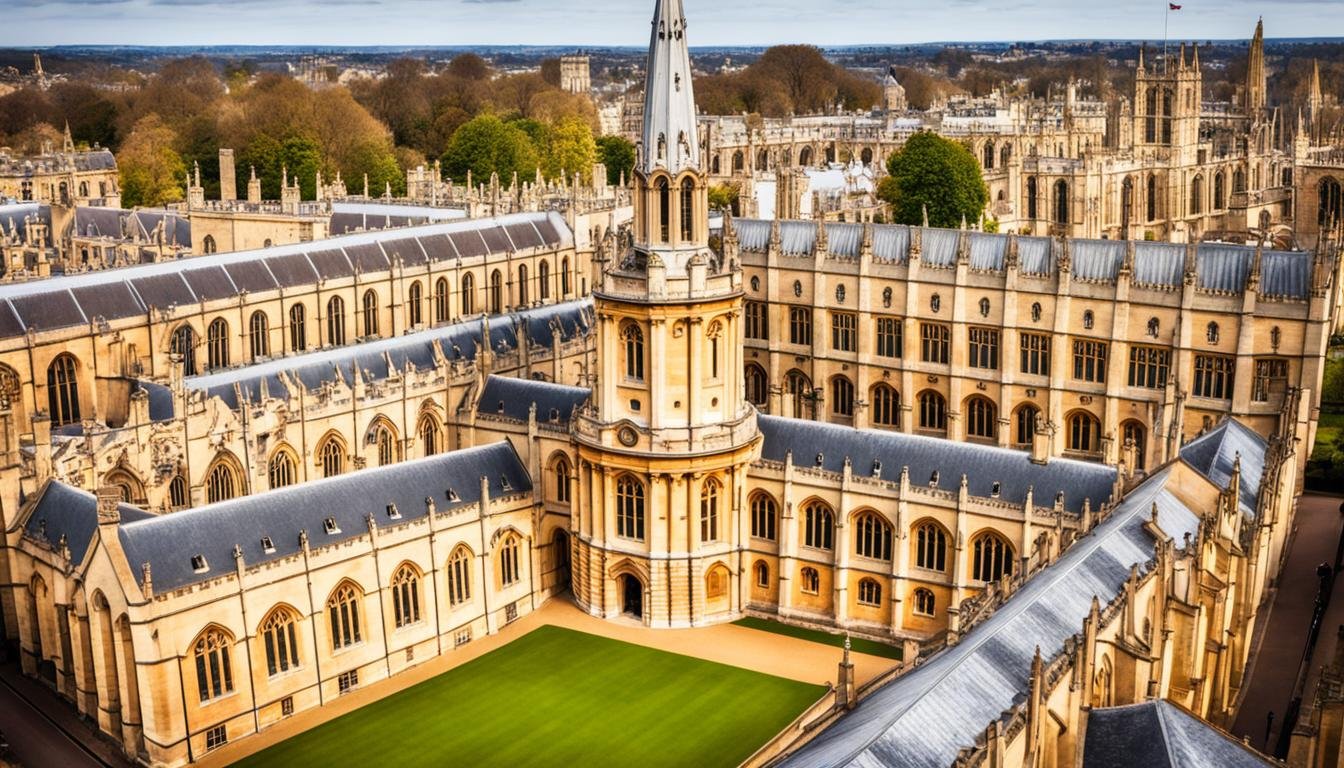
How much is Oxford tuition?

Facebook
Twitter
LinkedIn
Pinterest
Tumblr
Telegram
How much is Oxford tuition?
Unlock the cost of world-class education. Discover how much is Oxford tuition and plan your academic future with confidence.

Oxford’s course fees depend on your fee status. For 2025-26, Home undergraduates pay 9,535 pounds per year, a figure capped by the UK government. Home students do not have to pay upfront: a UK government tuition fee loan can cover the full amount.

Overseas undergraduates pay much more. For 2025-26, fees range from about 35,260 to 59,260 pounds per year depending on the course, with clinical medicine at the top end. Fees rise each year, so check the course page for the current figure before applying.

Living costs are separate and significant. Oxford estimates students need to budget for accommodation, food, and personal expenses on top of course fees. College accommodation is often cheaper than private renting, especially in the first year.

Financial support exists for UK students from lower-income households. Crankstart Scholarships give a non-repayable bursary of up to 6,150 pounds per year to new students with household incomes of 7,500 pounds or less, and 5,300 pounds per year for incomes up to 32,500 pounds. Oxford Bursaries provide up to 4,240 pounds per year for students with household incomes up to 50,000 pounds. Around a quarter of Oxford’s UK and Irish undergraduates receive an Oxford bursary.

International students have fewer options but should still check departmental awards and external scholarships. Compare Oxford with Harvard using our Oxford versus Harvard comparison, and see whether Oxford offers scholarships for more detail on funding routes. General advice on maximizing financial aid applies to bursary applications too.


Related Posts
University Enrollment

How To Choose The Right MiniMaster Course At Continents International University

Start with your goal. Write down the job you want after the program. Then read each MiniMaster track description on the university website and check which one teaches the skills that job needs. A vague interest in business is not enough. Be specific. Read the curriculum, not just the brochure. Look at the module list. Check how the work is assessed and how many hours each module takes each week. If the program page does not answer these questions, contact the university and ask. Be honest about your schedule. A short certificate still needs real hours every week. If you work full time, pick a pace you can keep for the whole program. Finishing matters more than finishing fast. Talk to people who finished the track you are considering. Alumni can tell you what the workload was really like and whether the certificate helped at work. The university may be able to connect you with past students. When you have a shortlist, read the enrollment guide for the MiniMaster program so you know the application steps. If you are weighing a MiniMaster against a full degree, see how students transition from a MiniMaster to full-time studies. New students can also review the resources available to MiniMaster students and tips for staying motivated during the program.

Read More
Public Health Careers
Education

Public Health Careers – Opportunities And Impact Explained

Public health is the work of keeping whole communities healthy. It covers disease prevention, health education, environmental safety, and the policies that shape all three. Epidemiologists study how diseases spread and advise on how to stop them. Health educators run community programs on nutrition, vaccination, and screening. Biostatisticians analyze health data so policymakers can base decisions on evidence. Environmental health scientists look at how air, water, and housing affect health. There is also a management side. Public health administrators run programs, manage budgets, and coordinate between hospitals, government agencies, and nonprofits. Much of the field deals with the social factors behind health: income, education, housing, and access to care. The Centers for Disease Control and Prevention and the World Health Organization publish open data and guidance that anyone can read. They are good starting points if you want to learn the field on your own. A graduate degree can prepare you for the management and policy roles. Options include the Master of Science in Healthcare Administration; read why students choose a master’s in healthcare administration online to see if the format suits you. The Master of Arts in Organizational Leadership suits those aiming at leadership roles. Whatever you study, look for programs that include real projects with health organizations. You can also start closer to home with ways to support public health in your community.

Read More