
Continents International University: Your Gateway to a Global Education

Facebook
Twitter
LinkedIn
Pinterest
Tumblr
Telegram
Gateway to global education
Your Gateway to a Global Education at Continents International University - Experience diverse cultures and perspectives from around the world.

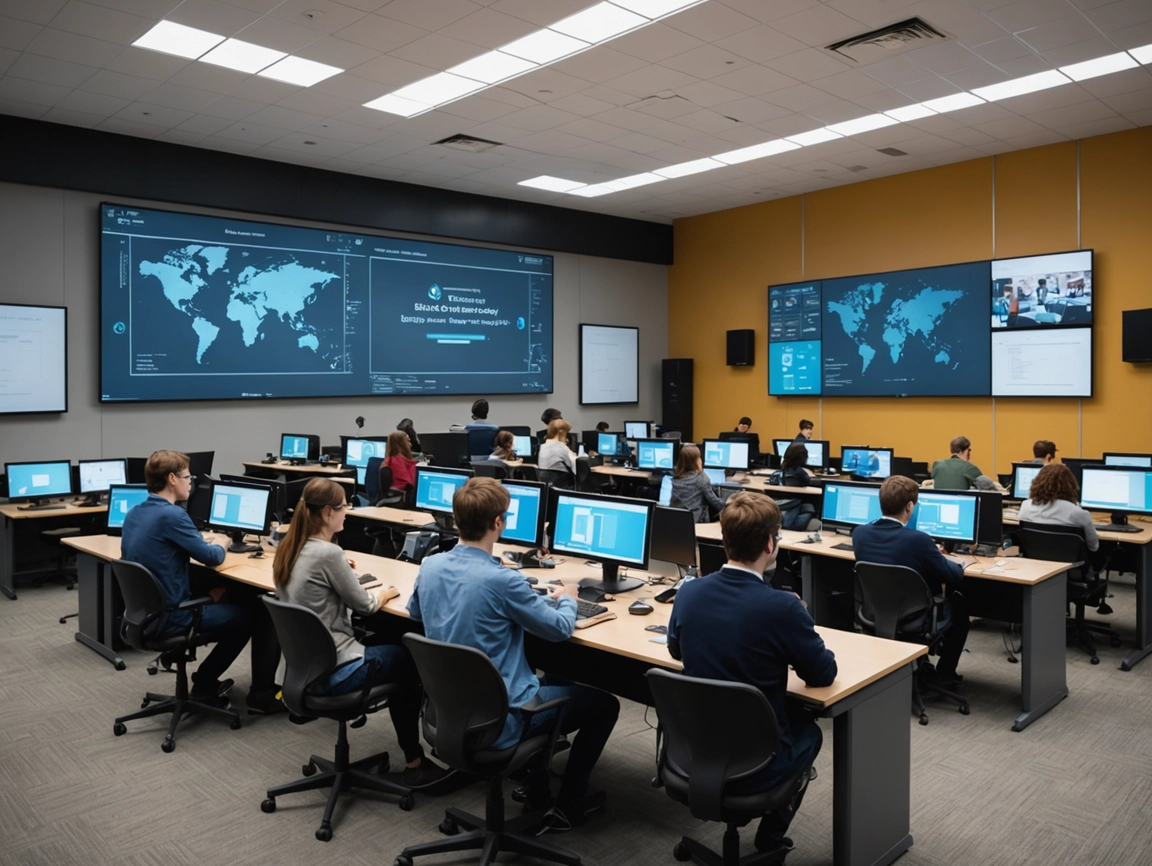
Continents International University is built for students who cannot or do not want to relocate. Its programs are fully online, so you can study from your own country and keep your job, your family routine, and your cost of living. That is the core of its global model: the classroom comes to you.

Studying online with students from other countries has side benefits. Group projects and discussions expose you to how business, management, and professional norms differ across cultures. For careers that cross borders, that perspective is genuinely useful. It is not the same as living abroad, but it is more than a textbook can give.

The practical questions matter more than the marketing. Check the total cost and what the membership covers. Confirm the weekly time commitment and how you reach instructors across time zones. Verify accreditation and, just as important, whether employers and licensing bodies in your country recognize the degree. An American degree does not automatically carry weight everywhere.

The university’s programs follow a competency-based model, so you progress by demonstrating mastery at your own pace. That flexibility helps working professionals, but it also requires self-discipline. Be realistic about the hours you can give each week before you commit.

Related reading: our global network of students, a guide to affordable online universities for international students, and what to know about accredited online degrees.

Related Posts
Awareness

Problem with Outdated University Education

University courses are only useful if they keep up with the field. Textbooks take years to write and publish. Curriculum review boards move slowly too. In fast-moving subjects like technology, health care, and public policy, a syllabus written five years ago can leave students studying ideas the industry has already moved past. This gap matters because employers hire people who can use current methods, not old ones. Students can graduate, start work, and find that their training does not match what the job requires. The cost falls on the graduate. Universities close this gap by reviewing course content often instead of waiting for a full curriculum overhaul. They check reading lists against recent research. They bring working professionals in to teach and advise. They ask graduates and employers what the program missed. Schools that do this through curriculum design that responds to feedback stay relevant longer. Students can protect themselves before enrolling. Ask when the course materials were last updated. Read the reading list and check the publication dates. Ask whether the program consults industry advisers, and what a competency-based curriculum looks like in practice. A school that cannot answer these questions is not paying attention to the problem. Before choosing any program, review how to judge whether a curriculum fits your goals. And consider delivery format as well: flexible online learning can make it easier to study while working, which matters most when the content is current.

Read More
Academic Degrees

What Skills Can You Gain From Earning A Master’s Degree?

A master’s degree builds on what you learned as an undergraduate. You go deeper into one subject and learn how research is done in that field. The main gains are subject knowledge, research skill, and the habit of working through hard problems. Most programs end with a thesis, capstone, or applied project. That kind of work teaches you to plan a long task, find and judge sources, and present findings clearly. These are the skills employers mean when they ask for critical thinking. You also meet people. Classmates, professors, and guest speakers become a professional network. Surveys repeatedly find that a large share of workers got their current job through a personal or professional connection, so these relationships matter when you start job hunting. Reading best practices for networking and building professional relationships before you enroll can help you make the most of that time. A master’s can raise pay and open doors to senior roles, but that depends on the field. In some industries the degree is a hard requirement. In others, work experience counts for more. Examples include the Master of Science in Business Administration, which suits management and operations roles, and the Master of Arts in Organizational Leadership, which suits people moving into leadership. Review career opportunities with a master’s in business administration and the benefits of a master’s in organizational leadership before deciding. Before enrolling, talk to people doing the job you want and ask what they recommend. Their answers are worth more than any brochure.

Read More