Deciding Between a Gap Year or Direct College Entry in the Philippines

Facebook
Twitter
LinkedIn
Pinterest
Tumblr
Telegram
Gap Year Decision vs. Direct College Entry Philippines
Explore the benefits and considerations of a Gap Year Decision vs. Direct College Entry in the Philippines. Make an informed choice for your future today.

After senior high school, you face a choice: start college right away or take a gap year first. Both paths can work. The right one depends on your goals, your finances, and how ready you feel.

Starting college right away keeps your momentum. You stay in study mode, finish your degree sooner, and graduate with classmates your age. If you already know what course you want and your family can support you, going straight in makes sense. The first-year orientation page can help you prepare for the first weeks.

A gap year gives you time to breathe. Some students work to save money for tuition. Others volunteer, travel, or take short courses to explore interests before committing to a degree. A well-used gap year can make you more focused when you do start college. It also gives you work experience that looks good later.

A gap year only helps if you use it well. Set clear goals before the year starts: how much you want to save, what skills you want to learn, or where you want to volunteer. Without a plan, a gap year can drift into wasted months. Talk to your family about the plan so everyone supports it.

Check the rules of the schools you want to attend. Some universities allow deferred admission, which lets you secure a slot and start a year later. Others make you apply fresh the next year. Ask the admissions office directly instead of guessing.

Money matters in this decision. If tuition is the problem, remember that state universities charge no tuition under RA 10931, and scholarships exist for private schools. A gap year spent working can also build your savings. The internship openings and motivation strategies pages have related ideas.

Whatever you choose, make it a decision, not a delay. Students who start college with a clear reason for being there tend to do better than those who drift in.
Related Posts
Higher education is changing quickly, and accreditation has to keep pace with it. Artificial intelligence is already reshaping teaching, assessment, academic integrity, governance, and student support.
Awareness

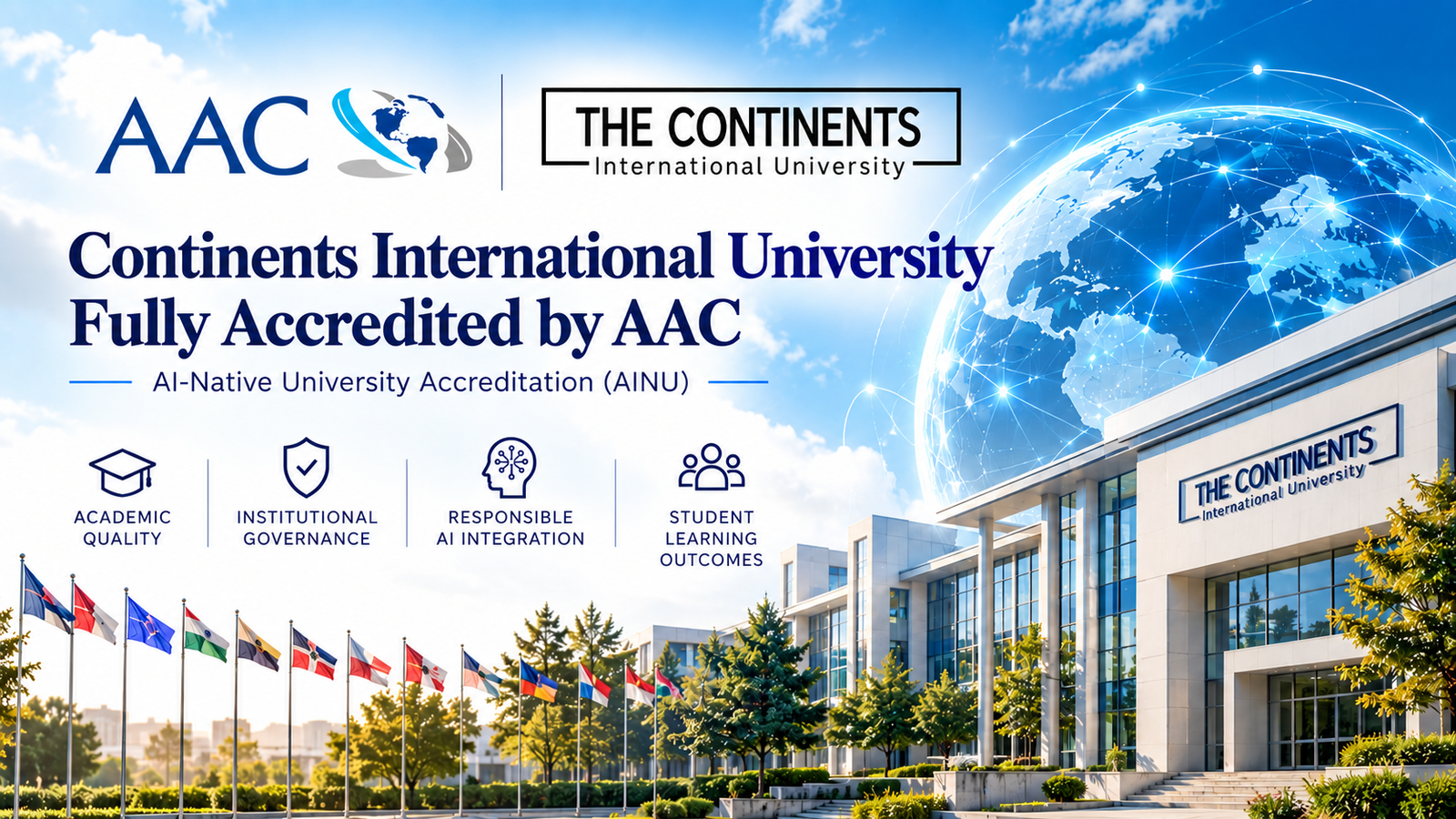
Continents International University Fully Accredited by AAC Through the AI-Native University Accreditation Framework

Continents International University is fully accredited by AAC through its AI-Native University Accreditation framework. The designation reflects an institutional review focused on academic quality, governance, student learning outcomes, integrity, and the responsible use of AI in higher education. For Continents International University, accreditation is part of a broader commitment to building a university model that responds to technological change without losing sight of academic standards. More information about the University’s status is available on its Licensing and Accreditation page. AAC is also developing its role around the future of quality assurance. As artificial intelligence becomes more integrated into universities, accreditation agencies will need to evaluate not only traditional academic standards, but also how institutions use AI responsibly, transparently, and effectively. That forward-looking approach may become increasingly important as higher education continues to change across borders, delivery models, and technologies. The University’s current accreditation record can be reviewed directly in the AAC Directory.

Read More
Awareness

Problem with Outdated University Education

University courses are only useful if they keep up with the field. Textbooks take years to write and publish. Curriculum review boards move slowly too. In fast-moving subjects like technology, health care, and public policy, a syllabus written five years ago can leave students studying ideas the industry has already moved past. This gap matters because employers hire people who can use current methods, not old ones. Students can graduate, start work, and find that their training does not match what the job requires. The cost falls on the graduate. Universities close this gap by reviewing course content often instead of waiting for a full curriculum overhaul. They check reading lists against recent research. They bring working professionals in to teach and advise. They ask graduates and employers what the program missed. Schools that do this through curriculum design that responds to feedback stay relevant longer. Students can protect themselves before enrolling. Ask when the course materials were last updated. Read the reading list and check the publication dates. Ask whether the program consults industry advisers, and what a competency-based curriculum looks like in practice. A school that cannot answer these questions is not paying attention to the problem. Before choosing any program, review how to judge whether a curriculum fits your goals. And consider delivery format as well: flexible online learning can make it easier to study while working, which matters most when the content is current.

Read More