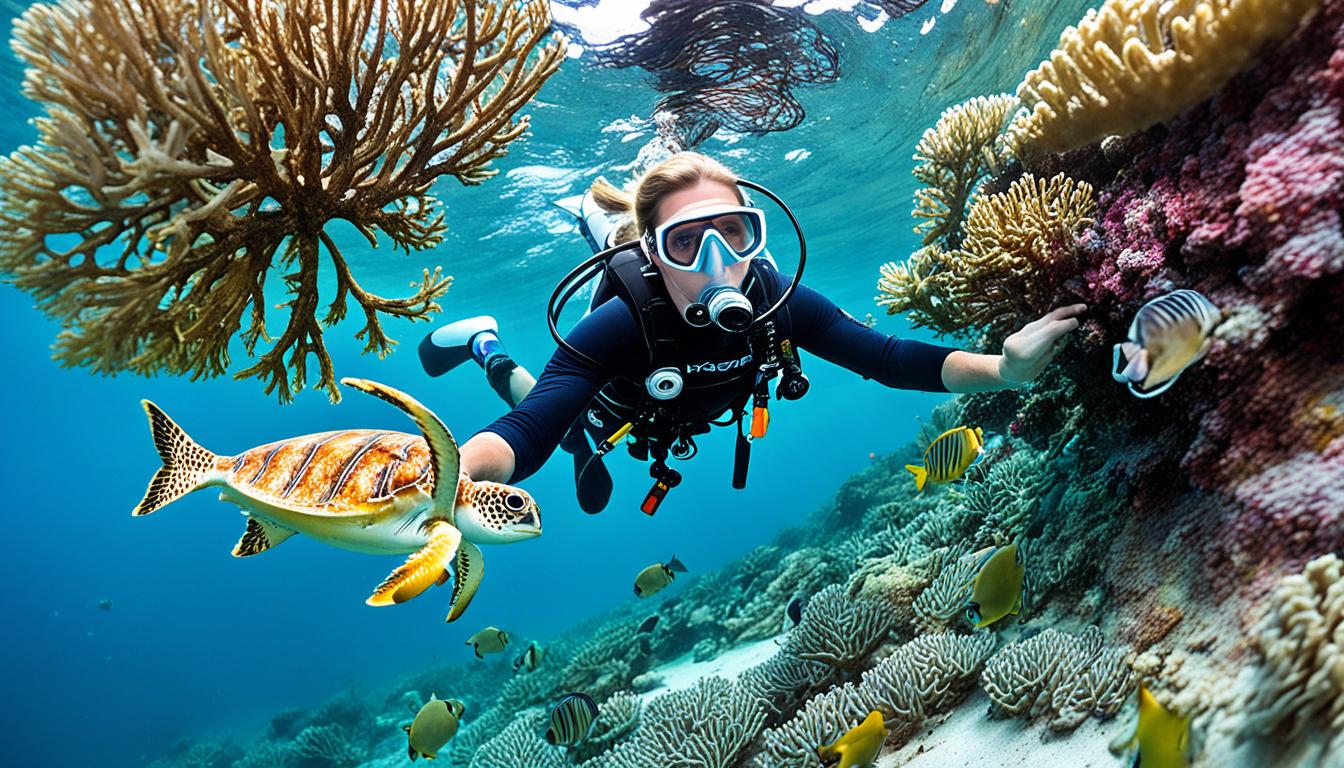
A master’s in marine biology suits students who want to study oceans for a living. Programs combine coursework in ecology, oceanography, and statistics with fieldwork and lab research. Before applying, think hard about what you want from the degree.
Field experience is the heart of this field. Look for programs near the coast with access to research vessels, marine stations, or long-term monitoring sites. Ask how many days students actually spend in the field. A program heavy on classroom lectures but light on boat time may not prepare you for research or consulting work.
Check the faculty’s active research. Professors studying coral reefs, fisheries, or marine mammals can offer thesis topics and connections. Read a few of their recent papers. If none of the faculty work in your area of interest, keep looking. Your thesis advisor shapes your whole degree.
Career paths vary. Some graduates join environmental consulting firms, assessing coastal projects. Others work in fisheries management, aquariums, or conservation nonprofits. Academic research usually requires a PhD after the master’s. Aquaculture is a growing industry option. Ask programs where their recent graduates work, and verify the answers.
Cost matters. Field-based programs often charge extra fees for research trips. Compare total costs, including these fees, and ask about assistantships. A funded position that covers tuition in exchange for research or teaching work is worth more than a slightly more prestigious unfunded offer.
Location shapes the science you can do. Students interested in coral systems look to tropical programs such as those described in Adriatic marine biology in Croatia or Great Barrier Reef research in Australia. Those drawn to field conservation can compare with conservation work in Madagascar or desert ecology field research in Namibia to see how place-based science works.