
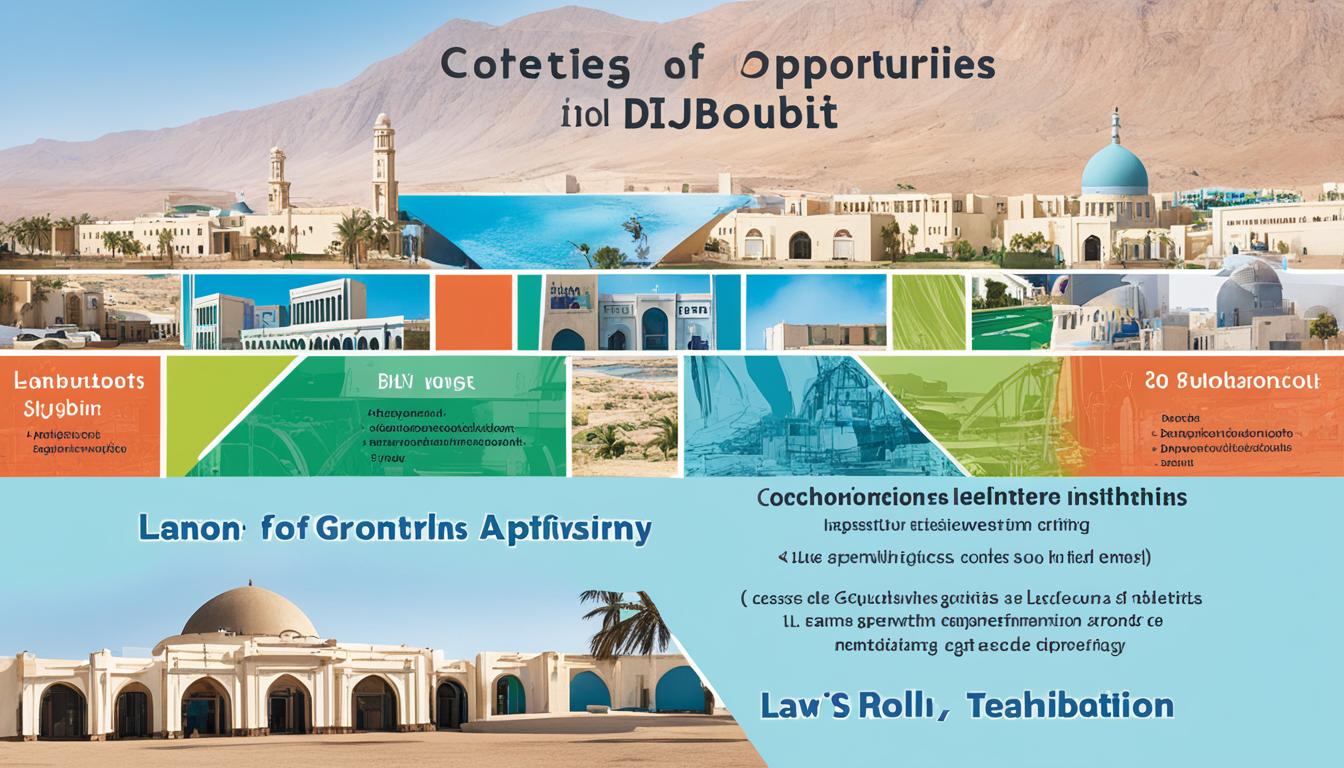
Djibouti is a small country in the Horn of Africa, sitting at the entrance to the Red Sea. Its location on major shipping routes has made logistics and trade central to its economy, and that focus shows up in its higher education.
The country’s main institution is the University of Djibouti, the national public university. It hosts the Africa Center of Excellence for Logistics and Transport, known as CEALT. The center is part of the World Bank-funded Africa Higher Education Centres of Excellence program and focuses on logistics, transport, engineering, and data science at the master’s and doctoral levels. It was created to train specialists for Djibouti’s ambition to become a regional logistics hub.
The center’s engineering tracks cover transport systems, electrical and energy engineering, civil engineering, and data sciences. Students are admitted through competitive exams run by the university. The center also works with international partners on research and training.
Beyond logistics, Djibouti’s higher education system is still developing. The country has a young population and limited university capacity, so many Djiboutian students study abroad, often in France or neighboring countries. French is the main language of instruction, alongside Arabic, which shapes who can easily study there.
For international students, Djibouti is a niche destination. It suits those interested in port logistics, Red Sea trade routes, or development work in the Horn of Africa. French language skills are close to essential for navigating daily life and coursework.
Anyone considering study in Djibouti should research programs directly through the University of Djibouti and check visa and living arrangements in advance. The country is small, and student services are less built out than in larger study destinations.
Related: Djibouti: Red Sea ecosystems study in Djibouti City, study abroad opportunities every student should consider, and diverse study abroad opportunities.

