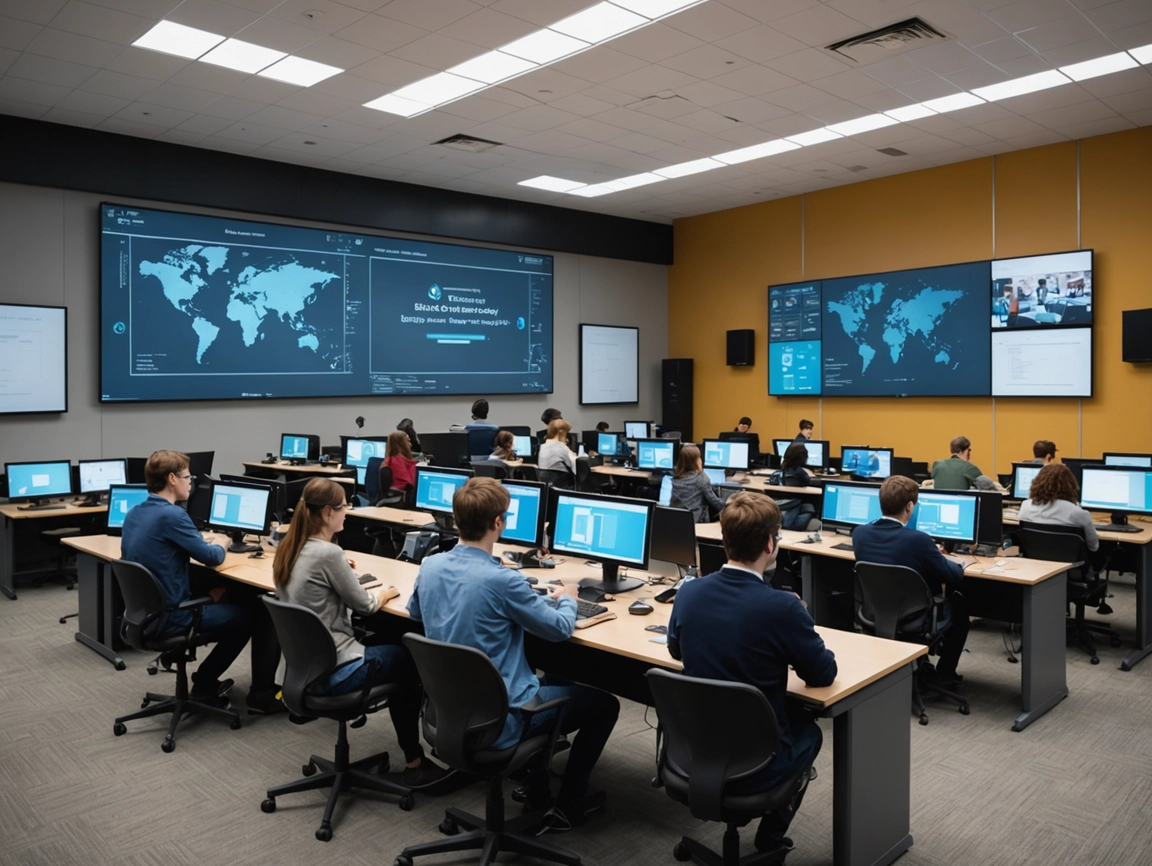
Research quality depends in part on the facilities behind it. When evaluating a university for science or engineering study, the labs deserve a close look.
Relevant questions include what equipment is available, how current it is, and who gets access. Core facilities shared across departments can give students access to instruments no single lab could afford. Ask whether undergraduates and master’s students can actually book time, or whether access is limited to doctoral researchers and faculty.
Safety and training matter as much as hardware. Good facilities have clear safety protocols, required training before independent work, and staff who maintain the equipment. A well-run lab with solid support often beats a flashier one with poor upkeep.
Also look at the research culture. Are students presenting at conferences and publishing? Do faculty collaborate across departments? These signs say more about the training you will get than a list of instruments.
Prospective researchers can also build skills through structured programs. See research opportunities for students, steps to become a laboratory assistant, and exploring a virtual learning environment.