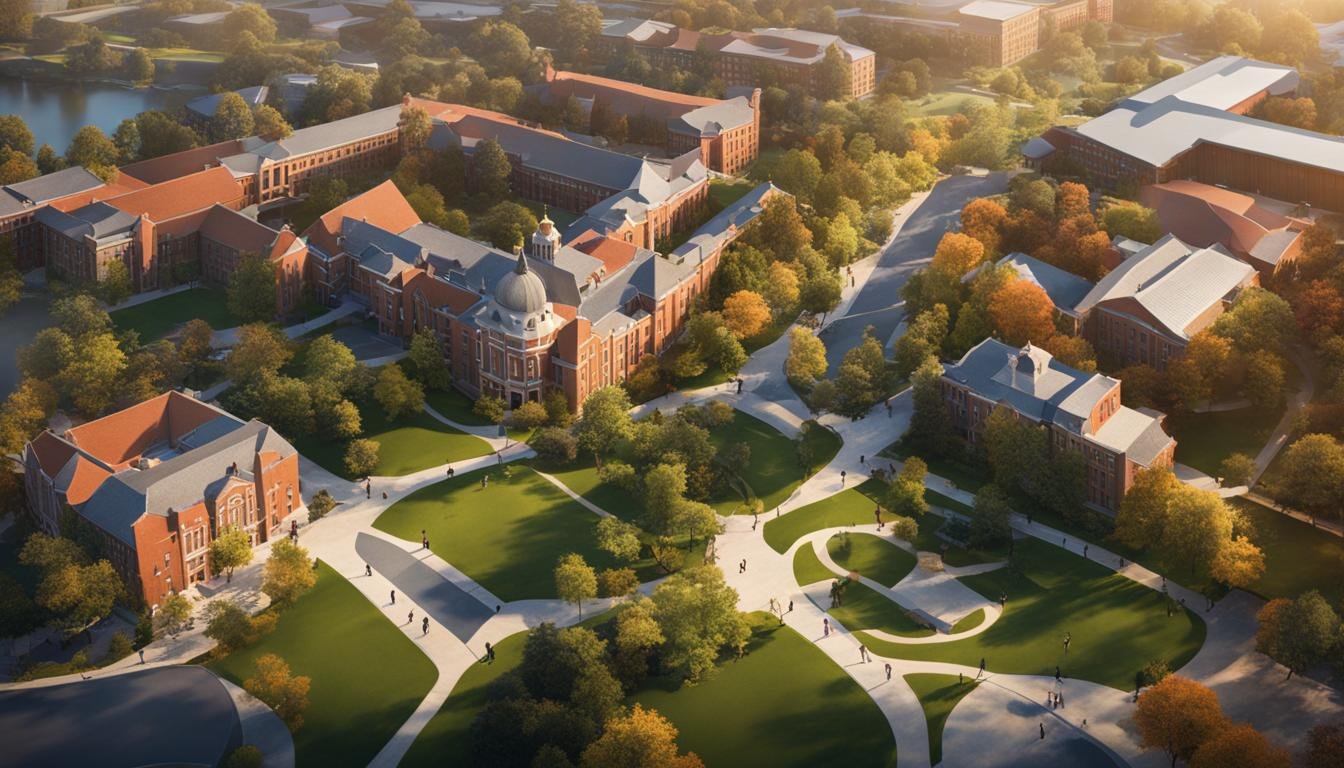
Colleges and universities differ in structure and offerings. Colleges tend to focus on undergraduate programs in a limited set of fields. Universities are larger institutions that offer undergraduate and graduate degrees, and they usually include research programs and professional schools.
Students in the United States can choose from many kinds of institutions. Public state universities and community colleges tend to cost less and often focus on practical skills and workforce training. Private colleges and universities vary widely in size and price. For-profit schools and online programs add more options, especially for working adults who need flexible schedules.
General education requirements form the core of most degree programs. Schools have been adding more emphasis to skills that transfer across jobs, such as clear writing, critical thinking, and basic research. Many courses now build these skills into subject-area work rather than teaching them in isolation.
Cost is a major concern. Tuition has risen over time, and many students borrow to pay for school. Loan debt is real, but the numbers vary widely by school and program. Some universities have strong financial aid policies. Princeton, for example, replaced loans with grants in its financial aid packages in 2001, so students on aid do not have to borrow. Learning how to maximize financial aid can lower the price at many other schools as well.
Online learning has opened new doors. Massive open online courses let students explore subjects for free before paying tuition. An introduction to MOOCs can help you see if online study fits your habits. For degree programs, check whether the school holds proper accreditation for US colleges and universities. Accreditation affects eligibility for federal aid and transfer of credits.
Planning help is available too. Advisors can help you compare schools, prepare applications, and build a financial plan. The right fit depends on your goals, budget, and learning style, not on a brand name.