
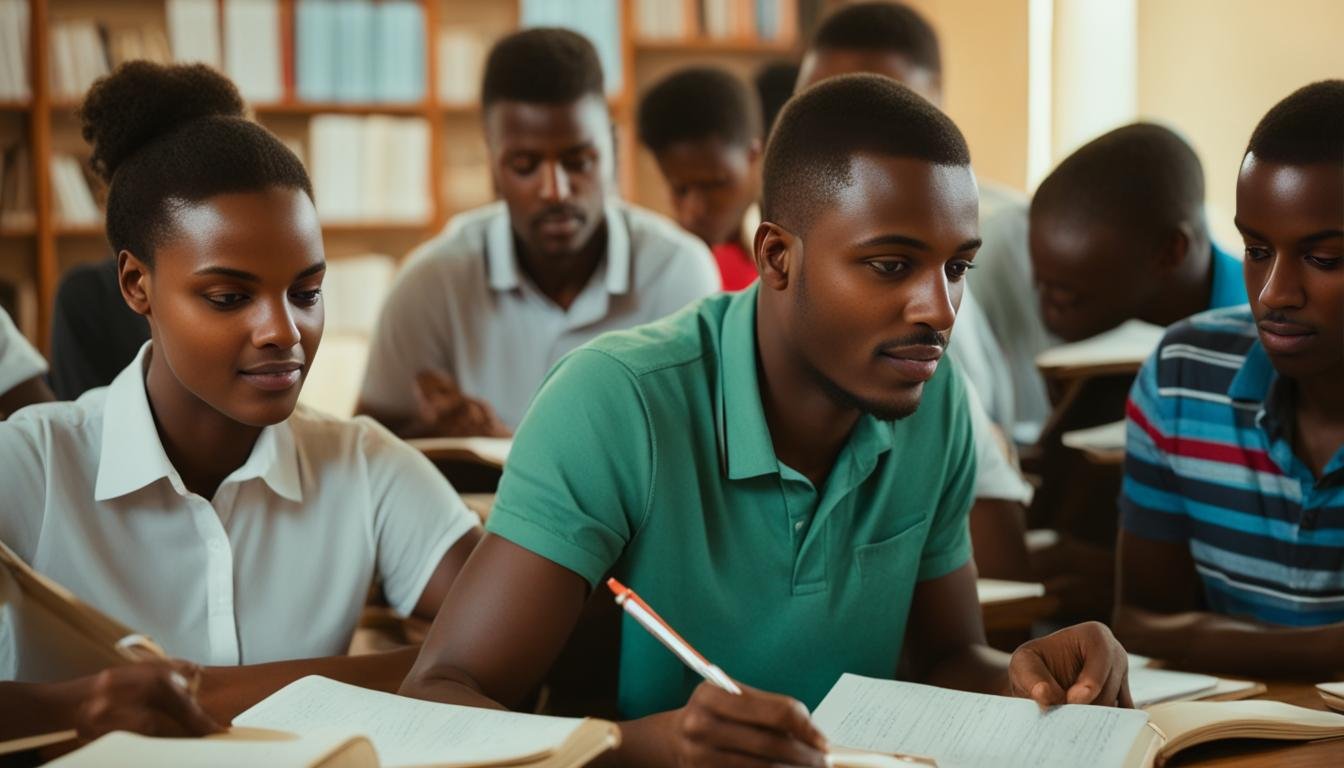
Burundi is one of the world’s poorest countries, and poverty shapes every part of the education picture. World Bank data puts roughly two-thirds of the population below the international poverty line of $2.15 a day. Many families depend on children’s labor, schools are crowded and under-resourced, and these pressures keep many young people out of classrooms.
Academic success still opens doors, but it takes deliberate effort under these conditions. The fundamentals matter most: regular attendance where possible, basic literacy and numeracy, and asking teachers and community members for help. Vocational and technical training can be a practical route to work, since skilled trades are in demand and programs are often shorter than university degrees.
If university is your goal, start planning early and look for funding. Scholarship opportunities exist for students from low-income countries, but competition is strong and deadlines come early. Financial aid resources can help you understand the options.
Keep building skills beyond formal schooling. Free online courses, apprenticeships, and community projects all count. Guidance on internships and building professional support networks can help you take the next step when you are ready.

