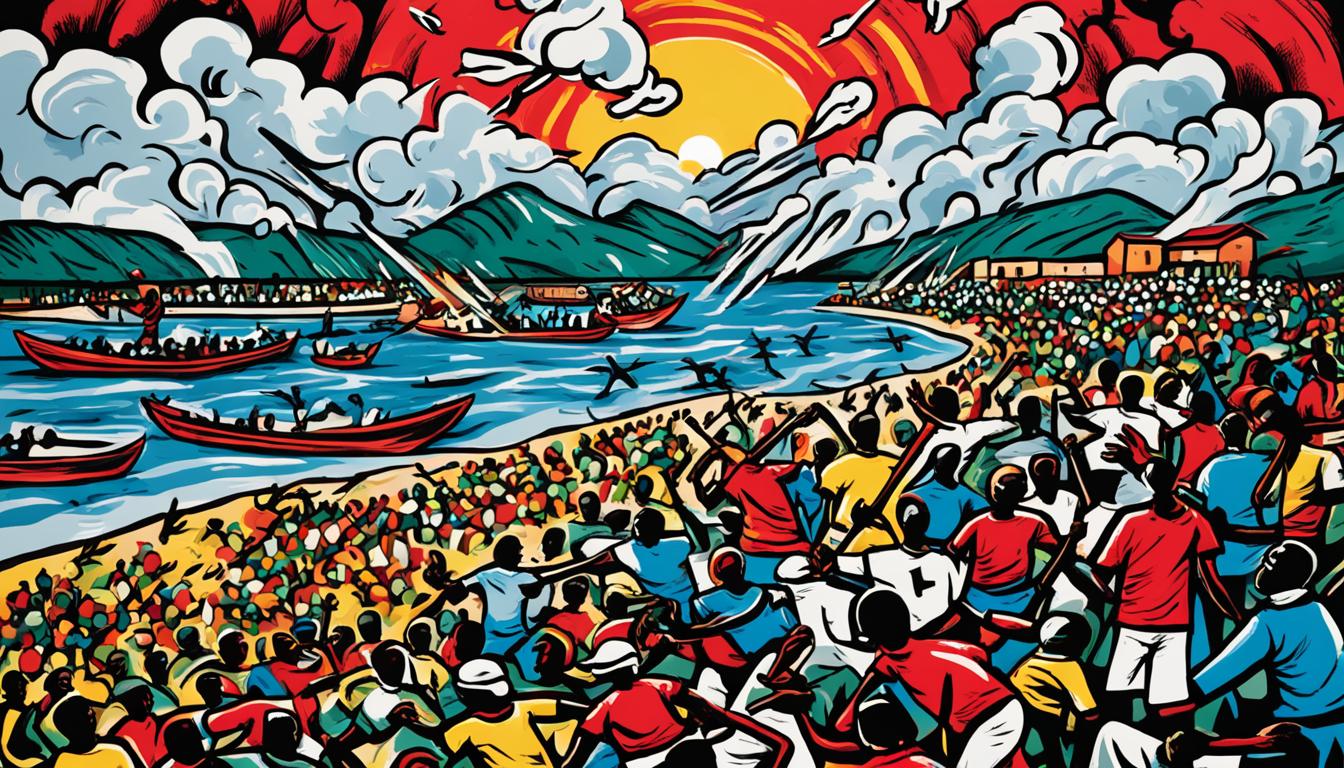
Burundi, in Africa’s Great Lakes region, went through a long civil conflict in the 1990s and early 2000s. The Arusha Peace and Reconciliation Agreement for Burundi was signed on 28 August 2000, with Nelson Mandela acting as facilitator. It became the basis for the country’s 2005 constitution and its power-sharing arrangements.
Bujumbura, the country’s largest city and former capital, is a natural base for studying the region’s conflicts and their aftermath. The subject covers the causes of the Burundian crisis, the negotiation process, and the challenges of post-conflict reconstruction across the Great Lakes region.
The original version of this article named a specific ‘Great Lakes Conflict Studies’ programme in Bujumbura and cited a national population figure, a 40 percent rise in student numbers, and testimonials. The programme details and statistics could not be verified, so they have been removed. Students interested in this field should check current offerings with universities in the region.
Related conflict-studies reading on this site includes the guides to conflict resolution studies in Belgrade, post-conflict nation building in Juba, and post-conflict reconstruction in Monrovia.