
Burmese Achievements: Navigating Higher Education Paths

Facebook
Twitter
LinkedIn
Pinterest
Tumblr
Telegram
Burmese Achievements: Navigating Higher Education Paths
Explore how Burmese students excel in higher education, unlocking job prospects and enhancing skills for a brighter future.

Myanmar’s higher education system has been disrupted in recent years, with university closures and interruptions affecting students across the country. Many students have turned to online learning, informal study groups, and programs offered outside the country to continue their education. If you are affected, prioritize safe, accessible options and verify any program’s legitimacy before paying fees.

Practical skills travel well in uncertain conditions. Project-based learning, internships where available, and collaborative work all build abilities you can demonstrate to employers. Focus on skills with broad demand: digital literacy, communication, and technical skills in your field. Flexible online degree programs may suit students who cannot attend classes in person.

When choosing any program, check who runs it, who accredits it, and what graduates do next. Free and low-cost online courses from established providers can fill gaps while you decide on a longer commitment. Guidance on the skills a master’s degree builds can help you plan further study.

Look for scholarship opportunities aimed at students from disrupted education systems, and use internship resources to find practical experience where possible.

Related Posts
University Enrollment

How To Access Resources For Continents International University MiniMaster Students

Once you enroll, find out what services come with your studies. Most universities give students access to an online library, a learning platform for course materials, and advising on course choices. Check the university website or student portal to see exactly what Continents International University offers and how to log in. Use the course platform every day. That is where syllabi, lecture notes, assignments, and deadlines live. Checking it regularly is the simplest way to stay on top of the work. If you get stuck, ask for help early. Academic advisers can help with course selection. Instructors hold office hours. Fellow students in study groups often explain things more clearly than the textbook. Waiting until you are far behind makes everything harder. Look after yourself too. Sleep, exercise, and breaks protect your ability to concentrate. If the university offers counseling or wellness services, use them. Burnout ends more programs than hard coursework does. For related guidance, see how to stay motivated during the MiniMaster, how to choose the right MiniMaster course, and how to move from a MiniMaster to full-time studies.

Read More
AFP

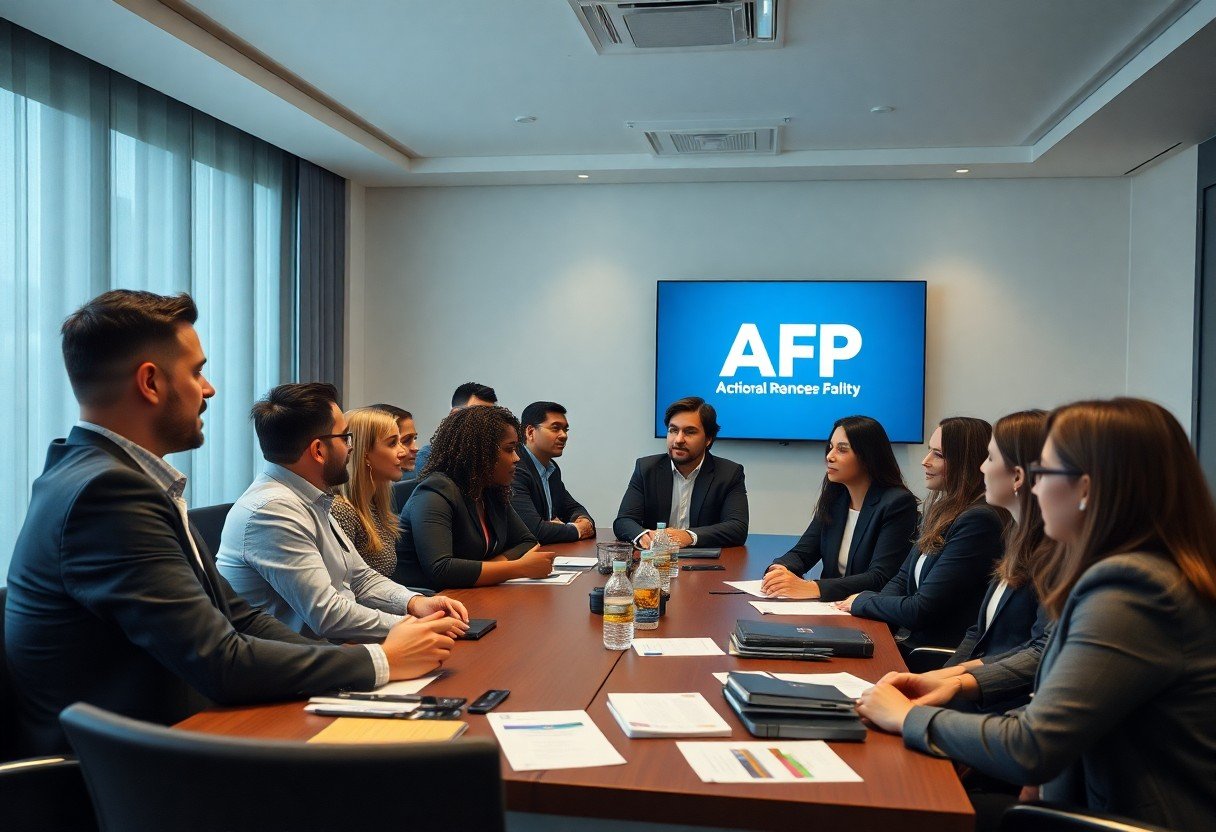
How To Maximize Your Membership Benefits With The Association For Financial Professionals (AFP)

The Association for Financial Professionals, or AFP, is a professional society for people working in treasury and corporate finance. Membership is worth more when you use it on purpose instead of just paying dues. AFP sponsors two well-known certifications: the Certified Treasury Professional (CTP) and the Certified Corporate Financial Planning and Analysis Professional (FP&A). Both require a mix of education and experience, plus ongoing continuing education to stay certified. Read the current requirements on the AFP site before you apply, since they change. If you want a closer look at how the two credentials fit together, see this article on the combined value of CTP and FP&A certifications. AFP describes its annual conference as the largest networking event for corporate finance professionals in the world. If you go, pick sessions that match your current role instead of wandering the halls. Plan in advance who you want to meet and what you want to ask them. Local AFP chapters are worth your time too. Chapter meetings are smaller than the national conference, so it is easier to build real contacts. The online community works the same way for practical questions between events. Use the research on the AFP website. The reports and benchmarking data give you context for decisions at work and useful material for job interviews. Webinars and online courses fill the gaps between conferences. Many of them count toward the continuing education hours your certification needs. For a broader view of where these credentials can take you, read about career opportunities in FP&A. If you want formal study to back up the certification path, a Master of Science in Business Administration covers much of the same ground in finance and management.

Read More