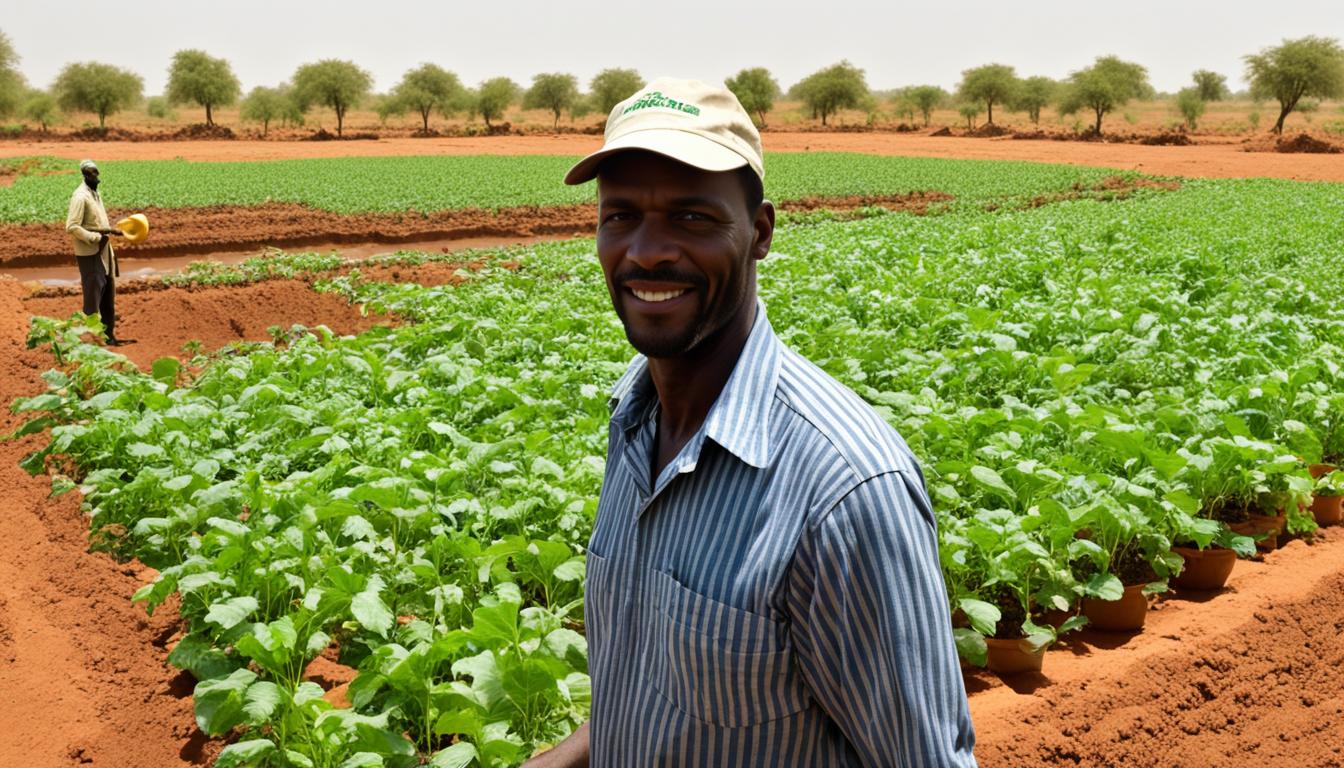
Burkina Faso, in West Africa’s Sahel region, depends heavily on agriculture. Most of the population works in farming, and the country’s food security rests on crops such as millet, sorghum, and maize grown in a dry, variable climate.
Ouagadougou, the capital, hosts the country’s main universities and agricultural research bodies. The original version of this article named specific degree-granting institutions for sustainable agriculture in the city, but those claims could not be verified against official sources. Readers interested in agricultural study in Burkina Faso should contact the universities directly to confirm what is currently offered.
Sustainable agriculture in the Sahel centers on water management, soil conservation, and crop varieties suited to low rainfall. These are active research topics across the region, and students can find related work at institutions in neighboring countries as well.
Related reading on this site includes the guides to Sahel food security in Niamey, sustainable food systems in Portland, and steppe ecology in Ulaanbaatar.