How Do Employment Background Checks Work

Facebook
Twitter
LinkedIn
Pinterest
Tumblr
Telegram
How Do Employment Background Checks Work
Understand how employment background checks work to ensure a smooth hiring process and make informed decisions about potential candidates.

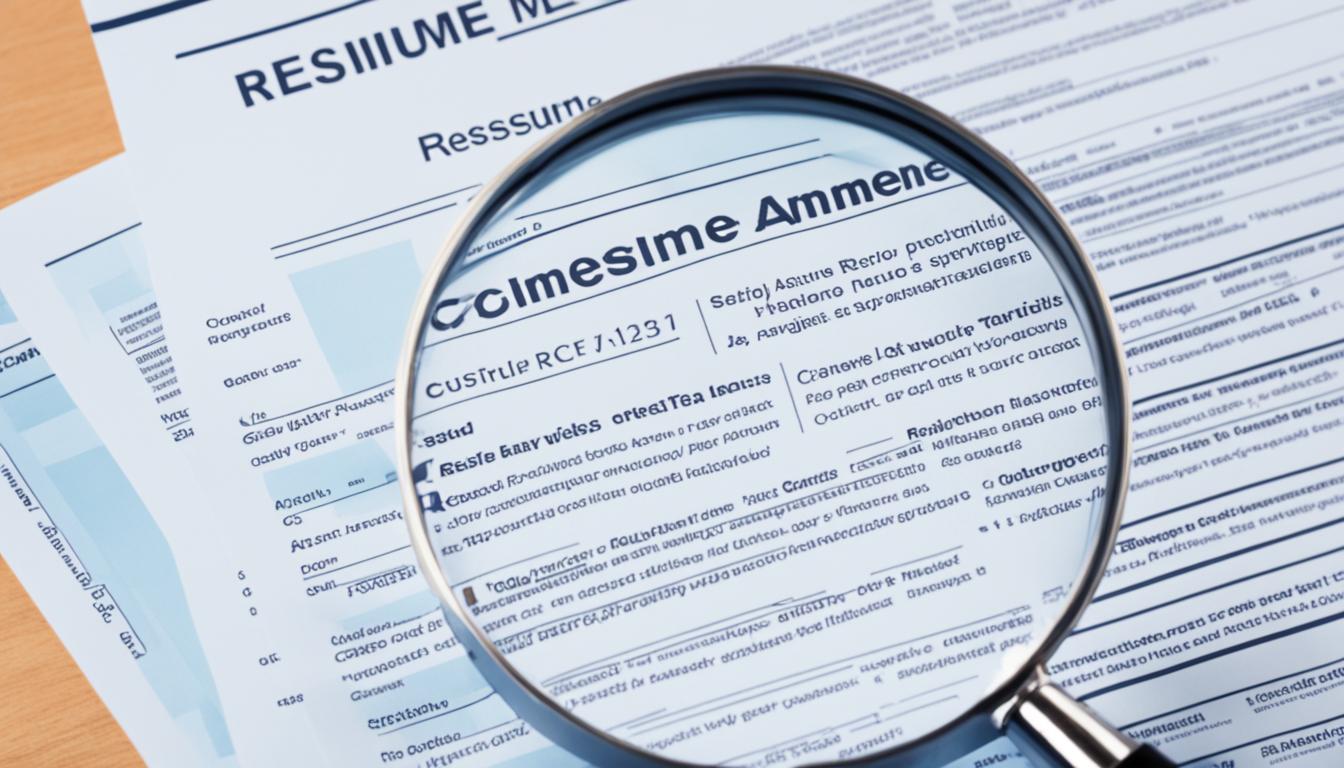
Did you know that nearly 96% of employers conduct some form of background check on job applicants? Employment background checks have become a critical component of the hiring process, allowing companies to verify the information provided by potential hires and ensure they are making informed decisions. These comprehensive checks typically involve reviewing an applicant’s criminal history, employment history, education credentials, and other relevant data.

By conducting thorough employment background checks, you as an employer can mitigate risks, protect your organization, and provide a safe environment for your employees and customers. Understanding how these checks work and the legal considerations involved is essential for navigating the hiring process effectively.

Key Takeaways

  • Employment background checks are a critical part of the hiring process, allowing employers to verify applicant information and make informed decisions.
  • These checks typically involve reviewing an applicant’s criminal history, employment history, education credentials, and other relevant data.
  • Conducting thorough background checks can help employers mitigate risks, protect their organizations, and provide a safe working environment.
  • Understanding the legal landscape surrounding background checks is essential for employers to ensure compliance and protect the rights of job applicants.
  • Developing a comprehensive background check policy and prioritizing candidate privacy and data security are best practices for employers.

Understanding Employment Background Checks

Employment background checks play a crucial role in the hiring process. They help employers verify the information provided by job applicants and assess their suitability for the position. By conducting thorough background checks, you can identify potential red flags, ensure candidate qualifications, and protect your organization from potential liabilities.

Importance of Background Checks in the Hiring Process

Background checks are essential in the hiring process as they allow you to thoroughly vet job applicants and make informed decisions about potential hires. These checks help you verify the accuracy of the information provided by candidates, including their criminal history, employment history, education credentials, references, and credit history. By conducting these checks, you can mitigate risks, ensure the safety and security of your workplace, and build a reliable and trustworthy workforce.

Types of Information Typically Reviewed

The types of information typically reviewed in an employment background check include criminal history, employment history, education credentials, references, and credit history. By cross-checking these details with various sources, you can gain a comprehensive understanding of a candidate’s background and identify any potential concerns or discrepancies. This information is crucial in determining a job applicant’s suitability for the role and ensuring that you make the best hiring decisions for your organization.

background check importance

Expanding Access to Background Checks

To improve the efficiency and accessibility of employment background checks, some states have implemented measures to streamline the

fingerprinting process

. This includes expanding the locations where individuals can get fingerprinted, reducing wait times, and ensuring that agencies responsible for conducting

background check regulations

are held accountable for any misconduct or errors. By making the

background check accessibility

process more accessible and transparent, you can more easily obtain the necessary information to make informed hiring decisions.

Holding Agencies Accountable for Misconduct

Alongside the efforts to improve the fingerprinting process, there has also been a focus on holding the agencies responsible for conducting background checks accountable for any instances of misconduct or errors. This increased agency accountability helps to ensure the integrity and reliability of the information provided, giving you greater confidence in the hiring process.

background check accessibility

How Do Employment Background Checks Work?

The employment background check process typically involves several steps that employers utilize to verify the accuracy of the information provided by job applicants. This comprehensive process begins with the employer collecting key details from the candidate, such as personal identification, employment history, and educational credentials.

The Background Check Process

Once the necessary information is gathered, the employer or a third-party background check provider will proceed to validate the applicant’s data. This involves reaching out to various sources, including previous employers, educational institutions, and government agencies, to confirm the authenticity of the provided details. By cross-checking the applicant’s information with multiple third-party sources, employers can ensure the integrity of the hiring process and make informed decisions about potential hires.

Verifying Information with Third-Party Sources

Employers understand the importance of conducting thorough background checks to mitigate risks and protect their organizations. They rely on the expertise of third-party providers who specialize in the background check process, leveraging their extensive network of contacts to verify employment history, educational credentials, and other relevant information. This multi-layered approach allows employers to make well-informed hiring decisions and build a reliable, qualified workforce.

background check process

Protecting Seniors and Vulnerable Populations

As the population continues to age, safeguarding the well-being of seniors and other vulnerable individuals has become an increasingly critical priority. To address this pressing concern, many states have implemented policies that require comprehensive background checks for home care workers. These checks play a vital role in identifying individuals with a history of criminal activity, financial exploitation, or identity theft, ensuring that the most at-risk members of the community are not exposed to potential harm.

Addressing Identity Theft and Financial Exploitation

Identity theft and financial exploitation are growing threats that disproportionately impact seniors and other vulnerable populations. By mandating background checks for home care providers, employers can help mitigate these risks and protect their clients from becoming victims of these crimes. These checks allow employers to thoroughly vet their candidates, ensuring that they have no prior convictions or records of financial misconduct that could jeopardize the safety and security of their elderly or disabled clients.

Ensuring Safety through Background Checks for Home Care Workers

The implementation of rigorous background checks for home care workers serves as a crucial safeguard for seniors and other vulnerable individuals. These checks enable employers to identify potentially dangerous individuals and prevent them from gaining access to the homes and personal information of their clients. By prioritizing the safety and well-being of their clients, home care providers can build a reputation of trust and reliability, fostering a sense of security for the families they serve.

background checks for home care

Legal Considerations and Regulations

As an employer, it’s crucial to navigate the complex legal landscape surrounding employment background checks. The Fair Credit Reporting Act (FCRA) imposes strict requirements on the collection, use, and disclosure of personal information obtained through these checks.

To ensure FCRA compliance, you must follow specific protocols when obtaining and using background check information, including providing clear disclosures to job applicants and obtaining their written authorization. Failure to comply with FCRA regulations can result in significant legal risks and penalties.

FCRA Compliance

The FCRA sets forth guidelines for employers regarding the use of consumer reports, including background checks, in the hiring process. You must adhere to these regulations to protect the rights of job applicants and avoid potential legal issues. This includes providing proper notice, obtaining written consent, and following specific adverse action procedures if you decide to take negative action based on the information gathered in a background check.

State and Local Laws Governing Background Checks

In addition to federal regulations, many states and local jurisdictions have enacted their own laws and regulations governing the use of employment background checks. These laws may impose additional requirements or restrictions beyond what is mandated by the FCRA, such as limiting the types of information that can be considered or the duration for which records can be accessed. As an employer, it’s essential to understand and comply with all applicable state and local laws to avoid potential legal risks and protect the rights of job applicants.

Best Practices for Employers

To effectively leverage employment background checks, it is crucial for employers to develop a comprehensive policy that outlines the scope, process, and guidelines for these checks.

Your company’s background check policy should ensure that these checks are conducted consistently and in compliance with all relevant laws and regulations. This includes adhering to the requirements set forth by the Fair Credit Reporting Act (FCRA) and any state or local laws governing the use of background information in the hiring process.

Developing a Comprehensive Background Check Policy

Your background check policy should clearly define the types of information that will be reviewed, the sources that will be contacted, and the criteria used to evaluate the findings. This policy should be applied uniformly across all job applicants to maintain fairness and consistency in the hiring process. Additionally, your policy should outline the steps you will take to obtain the necessary consent and disclosures from candidates, as required by law.

Maintaining Candidate Privacy and Data Security

As you conduct background checks, it is essential to prioritize the protection of candidate privacy and the security of any personal data collected. Implement robust data security measures to safeguard the sensitive information obtained during the background check process. Ensure that all data is stored securely and only accessible to authorized personnel. Additionally, develop a clear policy regarding the retention and disposal of background check records to comply with relevant privacy and data protection regulations.

By developing a comprehensive background check policy and prioritizing candidate privacy and data security, you can maintain the integrity of your hiring practices while respecting the rights and privacy of job applicants. This will not only enhance your company’s compliance with relevant laws and regulations but also demonstrate your commitment to ethical and responsible hiring practices.

Conclusion

Employment background checks are a critical component of the hiring process, allowing employers to verify the information provided by job applicants and make informed decisions about potential hires. By conducting thorough employment background checks, employers can mitigate risks, protect their organizations, and provide a safe environment for their employees and customers.

However, it is essential for employers to navigate the complex legal landscape surrounding background checks, develop comprehensive policies, and maintain candidate privacy and data security. By following best practices and staying up-to-date with relevant laws and regulations, employers can effectively leverage background checks to enhance their hiring process and build a strong, reliable workforce.

Ultimately, employment background checks are a crucial tool for employers, enabling them to make well-informed decisions about candidate screening and legal compliance. By embracing these best practices, organizations can navigate the complexities of the hiring landscape and build a workforce that is both qualified and trustworthy.

Source Links

Related Posts
Awareness

Problem with Outdated University Education

The Problem with Outdated University Education — And How We Solved It Higher education is meant to prepare students for the real world. Yet in many traditional universities, curriculum updates happen every few years. In fast-moving fields like technology, healthcare, business, and public policy, that delay means students may be learning frameworks that no longer reflect current research or industry realities. At The Continents States University, we built a different model. Our proprietary system, Continents AI, is grounded in the most recent peer-reviewed research, verified academic publications, and real-world validated findings. Students are not learning recycled textbook summaries — they are engaging with knowledge aligned to current evidence and contemporary standards. Unlike general-purpose AI systems trained on broad internet data, Continents AI is grounded in curated academic sources and curriculum-aligned research. This ensures: The results show near-perfect academic accuracy and curriculum alignment — because the system is designed for education, not entertainment. Many AI systems will write essays, complete assignments, and generate quiz answers. That may appear helpful — but it weakens learning and compromises integrity. Continents AI does not: Instead, it guides students to research, reinforces methodology, and calibrates feedback using Bloom’s Taxonomy standards. With an extremely low hallucination rate and zero false citations, the system protects academic credibility — something general-purpose AI tools cannot guarantee. Traditional universities revise curriculum periodically. Continents AI aligns responses continuously with: Students learn what is relevant now — not what was standard five years ago. Modern employers demand: An education grounded in outdated material cannot meet those expectations. By combining real-time research integration with built-in academic integrity safeguards, Continents AI ensures that students learn information that is accurate, current, and professionally applicable. Higher education must evolve. At The Continents States University, it already has. Apply Now!

Read More
Academic Degrees

What Skills Can You Gain From Earning A Master’s Degree?

Pursuing a master’s degree is a strategic investment in your future, offering advanced skills and knowledge that set you apart in today’s competitive job market. Beyond subject expertise, it enhances critical thinking, research capabilities, and leadership potential, preparing you for career advancement or a transition into a new field. Career Advancement Through Specialized Knowledge A master’s degree equips you with specialized knowledge and technical skills tailored to your industry. Programs like the Master of Science in Business Administration or Master of Arts in Organizational Leadership focus on advanced analytical skills, strategic thinking, and leadership development. These competencies often lead to better job prospects, higher earning potential, and the ability to take on senior roles. Employers value the depth of expertise that comes with advanced education, making you a strong candidate for promotions and specialized positions. Networking Opportunities for Professional Growth Networking is a key benefit of pursuing a master’s degree. Around 60% of professional opportunities arise through connections, and graduate programs provide a platform to build relationships with peers, faculty, and industry professionals. Alumni networks, professional organizations, and industry events further expand your connections, opening doors to mentorship, job referrals, and collaborative projects that can accelerate your career growth. Essential Skills for Long-Term Success A master’s program hones both hard and soft skills, including: Critical Thinking: Advanced coursework and research projects enhance your ability to analyze complex problems and develop innovative solutions. Leadership: Group projects and collaborative assignments build emotional intelligence, communication, and team management skills. Time Management: Balancing coursework, research, and professional commitments teaches you to prioritize tasks and meet deadlines efficiently. Adaptability: Exposure to diverse perspectives and evolving challenges prepares you to thrive in dynamic work environments. Conclusion A master’s degree is more than an academic achievement—it’s a transformative experience that equips you with the skills and connections needed to excel in your career. Whether you aim to climb the corporate ladder, switch industries, or launch entrepreneurial ventures, the advanced education and professional development gained through a master’s program position you for long-term success.

Read More