
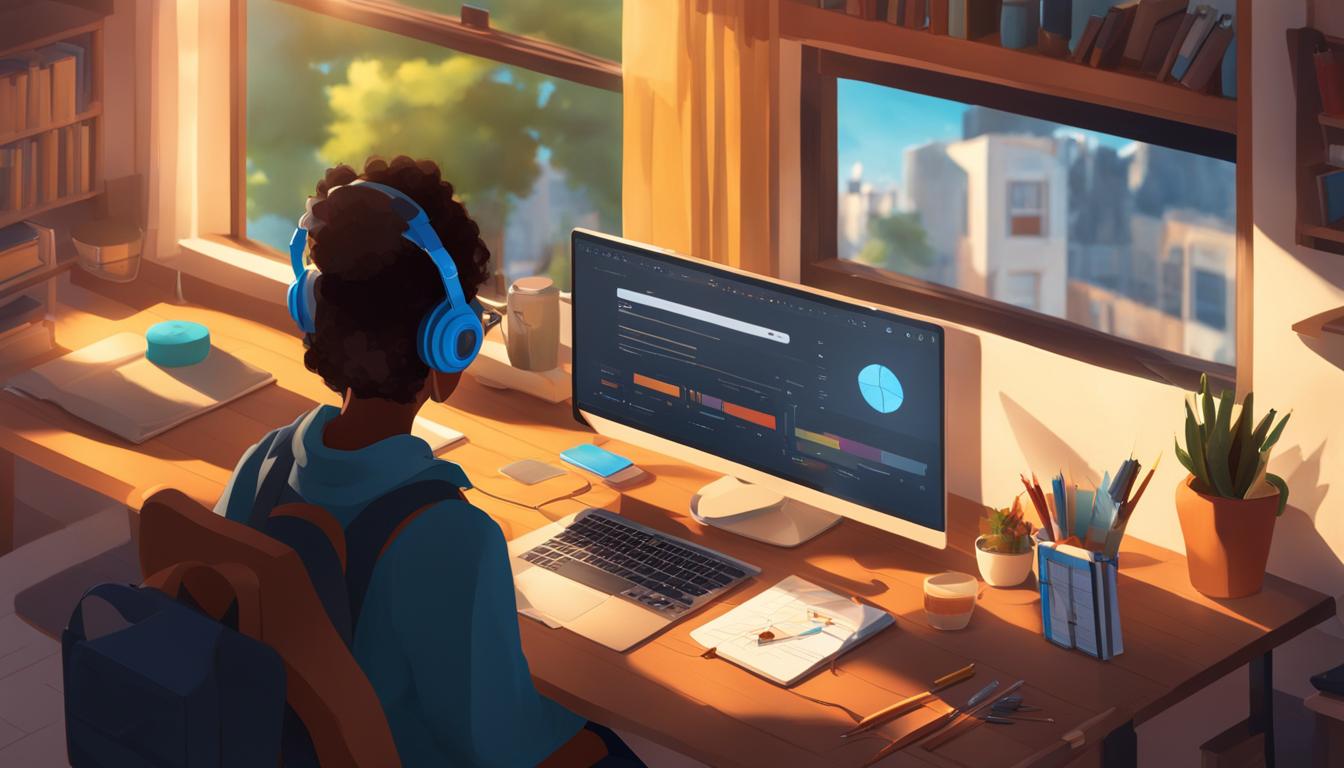
Why an Online Degree is the Future of Higher Education

Facebook
Twitter
LinkedIn
Pinterest
Tumblr
Telegram
benefits of online college degrees
Online degrees have moved from niche to mainstream. For working adults, parents, and anyone far from a campus, they offer a practical path to a degree.

Online degrees have moved from niche to mainstream. For working adults, parents, and anyone far from a campus, they offer a practical path to a degree. Here is an honest look at the advantages and what to check before enrolling.

Flexibility is the biggest draw. You can watch lectures and complete coursework around your job and family, studying early in the morning or late at night. That control over your schedule is what makes a degree possible for many busy adults.

Cost is another factor. Online programs often charge less than on-campus equivalents, and you save on commuting, housing, and relocation. Compare the full price of each program, including fees, before deciding.

Employer acceptance has grown. Surveys summarized by Research.com found that 83% of business leaders rate online degrees from well-known universities as equally valuable as on-campus degrees, and a majority of hiring managers now weigh the school’s accreditation and reputation more than how the courses were delivered.

But not every online program is equal. Check accreditation before you enroll, because it affects whether credits transfer and how employers view the degree. For example, Continents International University, based in St. Louis, Missouri, was granted candidacy for IACBE accreditation in July 2024, with the candidacy period running through July 31, 2029. Candidacy is an early step and is not the same as accreditation, so confirm what a school’s status means for your goals. Read more about IACBE candidacy and accreditation standards.

Online study also demands self-discipline. Without a physical classroom, you set the pace. Students who schedule their weeks and participate actively tend to do best. See whether employers respect online degrees and why an online degree can be a strong career move.

Related Posts
Public Health Careers
Education

Public Health Careers – Opportunities And Impact Explained

Public health is the work of keeping whole communities healthy. It covers disease prevention, health education, environmental safety, and the policies that shape all three. Epidemiologists study how diseases spread and advise on how to stop them. Health educators run community programs on nutrition, vaccination, and screening. Biostatisticians analyze health data so policymakers can base decisions on evidence. Environmental health scientists look at how air, water, and housing affect health. There is also a management side. Public health administrators run programs, manage budgets, and coordinate between hospitals, government agencies, and nonprofits. Much of the field deals with the social factors behind health: income, education, housing, and access to care. The Centers for Disease Control and Prevention and the World Health Organization publish open data and guidance that anyone can read. They are good starting points if you want to learn the field on your own. A graduate degree can prepare you for the management and policy roles. Options include the Master of Science in Healthcare Administration; read why students choose a master’s in healthcare administration online to see if the format suits you. The Master of Arts in Organizational Leadership suits those aiming at leadership roles. Whatever you study, look for programs that include real projects with health organizations. You can also start closer to home with ways to support public health in your community.

Read More
University Enrollment

How To Enroll In Continents International University MiniMaster Program – A Step-by-Step Guide

Enrollment starts on the university website. Find the MiniMaster section and read the track descriptions. Each program page should list the curriculum, the length of the program, and the entry requirements. Read these before you do anything else. Check the entry requirements early. Some tracks ask for a bachelor’s degree or work experience in a related field. Make sure you qualify before you spend time on an application. Prepare your documents ahead of time. You will likely need personal details, academic transcripts, and a resume. Some programs also ask for a short statement about why you are applying. Having these ready keeps the process moving. Submit your application through the university’s online system and check it twice for errors. After you submit, watch your email for follow-up questions. Admissions offices often ask for extra documents or clarification, and quick replies keep your application on track. If you are accepted, you will get instructions on confirming your place, paying fees, and registering for courses. Read the academic calendar so you know when classes start. If you are still choosing, start with how to choose the right MiniMaster course. Enrolled students can read about the resources available to MiniMaster students and how to stay motivated during the program. Those thinking ahead can see how to move from a MiniMaster to full-time studies.

Read More