

The Continents States University Joins AWS Academy to Equip Students with In-Demand Cloud Computing Skills

Facebook
Twitter
LinkedIn
Pinterest
Tumblr
Telegram

[vc_row][vc_column][vc_column_text]Today, The Continents States University announced its participation in AWS Academy, an Amazon Web Services (AWS) program that provides higher education institutions with a ready-to-teach cloud computing curriculum. Students can enroll in courses that will prepare them to pursue careers in the fast-growing cloud computing space and industry-recognized AWS Certifications.

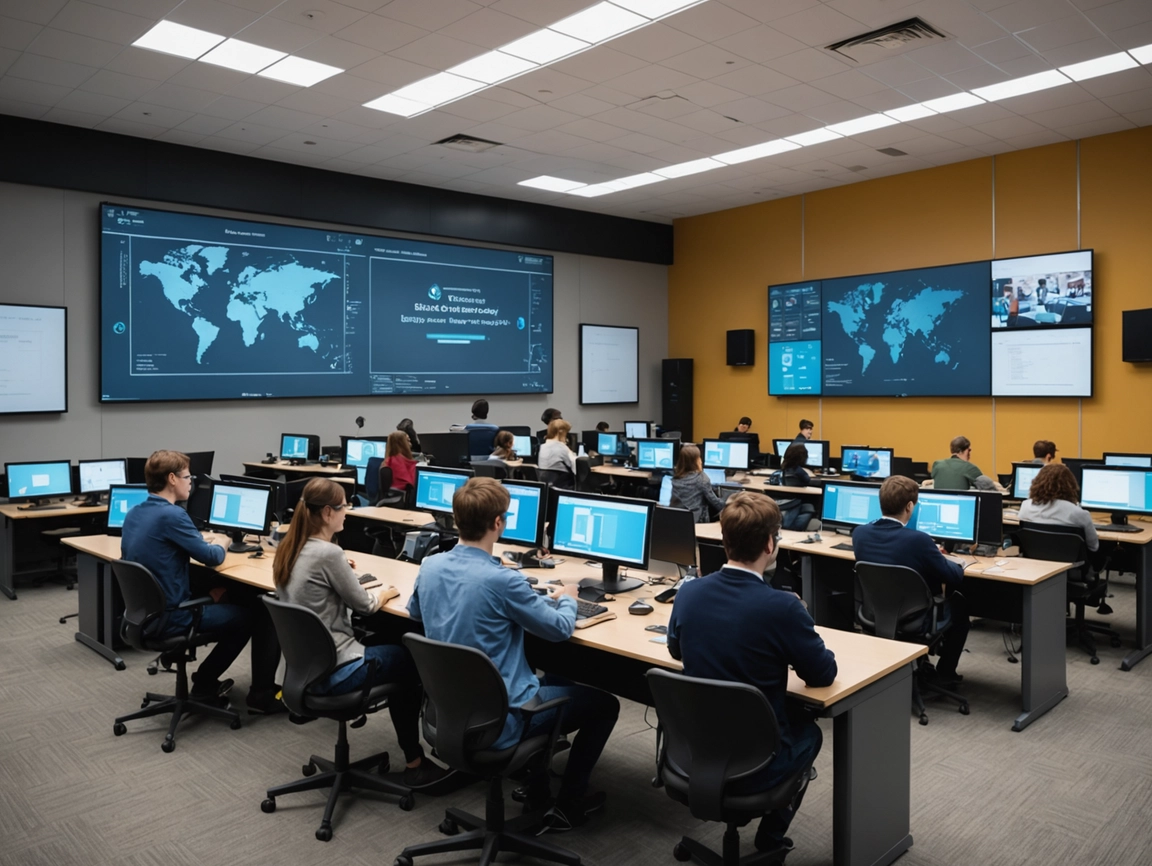
The Continents States University provides interactive and innovative teaching methods, including hands-on experience, classroom discussions, and online classes. This pedagogy ensures students receive an education that is not only engaging but also practical. Further, provides a supportive environment for students, offering services such as tutoring, advising and career counseling. This support system can greatly contribute to students’ academic and personal success.

The AWS Academy curriculum is developed and maintained by AWS subject matter experts, ensuring that it reflects current services and up-to-date best practices. Courses are taught by AWS Academy-accredited educators who are trained by AWS to help students become proficient in AWS technology.

“Our students have access to an incredible resource within the AWS Academy curriculum. With its future-oriented approach, career-focused content, and cutting-edge intelligence-supported materials, it equips our students with the knowledge and credentials they need to succeed in today’s rapidly evolving job market — all at no cost. With this curriculum, our students can confidently test the waters of the new world market and succeed in whatever they set their minds to.,” said Dr. Ricky Madison, President. The rapid rise of computing is creating a growing number of high-quality jobs at organizations around the world, and the technical skills that students develop through this program will position them well for their careers today and in the future.[/vc_column_text][/vc_column][/vc_row]

Related Posts
Awareness

Problem with Outdated University Education

The Problem with Outdated University Education — And How We Solved It Higher education is meant to prepare students for the real world. Yet in many traditional universities, curriculum updates happen every few years. In fast-moving fields like technology, healthcare, business, and public policy, that delay means students may be learning frameworks that no longer reflect current research or industry realities. At The Continents States University, we built a different model. Our proprietary system, Continents AI, is grounded in the most recent peer-reviewed research, verified academic publications, and real-world validated findings. Students are not learning recycled textbook summaries — they are engaging with knowledge aligned to current evidence and contemporary standards. Unlike general-purpose AI systems trained on broad internet data, Continents AI is grounded in curated academic sources and curriculum-aligned research. This ensures: The results show near-perfect academic accuracy and curriculum alignment — because the system is designed for education, not entertainment. Many AI systems will write essays, complete assignments, and generate quiz answers. That may appear helpful — but it weakens learning and compromises integrity. Continents AI does not: Instead, it guides students to research, reinforces methodology, and calibrates feedback using Bloom’s Taxonomy standards. With an extremely low hallucination rate and zero false citations, the system protects academic credibility — something general-purpose AI tools cannot guarantee. Traditional universities revise curriculum periodically. Continents AI aligns responses continuously with: Students learn what is relevant now — not what was standard five years ago. Modern employers demand: An education grounded in outdated material cannot meet those expectations. By combining real-time research integration with built-in academic integrity safeguards, Continents AI ensures that students learn information that is accurate, current, and professionally applicable. Higher education must evolve. At The Continents States University, it already has. Apply Now!

Read More
Academic Degrees

What Skills Can You Gain From Earning A Master’s Degree?

Pursuing a master’s degree is a strategic investment in your future, offering advanced skills and knowledge that set you apart in today’s competitive job market. Beyond subject expertise, it enhances critical thinking, research capabilities, and leadership potential, preparing you for career advancement or a transition into a new field. Career Advancement Through Specialized Knowledge A master’s degree equips you with specialized knowledge and technical skills tailored to your industry. Programs like the Master of Science in Business Administration or Master of Arts in Organizational Leadership focus on advanced analytical skills, strategic thinking, and leadership development. These competencies often lead to better job prospects, higher earning potential, and the ability to take on senior roles. Employers value the depth of expertise that comes with advanced education, making you a strong candidate for promotions and specialized positions. Networking Opportunities for Professional Growth Networking is a key benefit of pursuing a master’s degree. Around 60% of professional opportunities arise through connections, and graduate programs provide a platform to build relationships with peers, faculty, and industry professionals. Alumni networks, professional organizations, and industry events further expand your connections, opening doors to mentorship, job referrals, and collaborative projects that can accelerate your career growth. Essential Skills for Long-Term Success A master’s program hones both hard and soft skills, including: Critical Thinking: Advanced coursework and research projects enhance your ability to analyze complex problems and develop innovative solutions. Leadership: Group projects and collaborative assignments build emotional intelligence, communication, and team management skills. Time Management: Balancing coursework, research, and professional commitments teaches you to prioritize tasks and meet deadlines efficiently. Adaptability: Exposure to diverse perspectives and evolving challenges prepares you to thrive in dynamic work environments. Conclusion A master’s degree is more than an academic achievement—it’s a transformative experience that equips you with the skills and connections needed to excel in your career. Whether you aim to climb the corporate ladder, switch industries, or launch entrepreneurial ventures, the advanced education and professional development gained through a master’s program position you for long-term success.

Read More