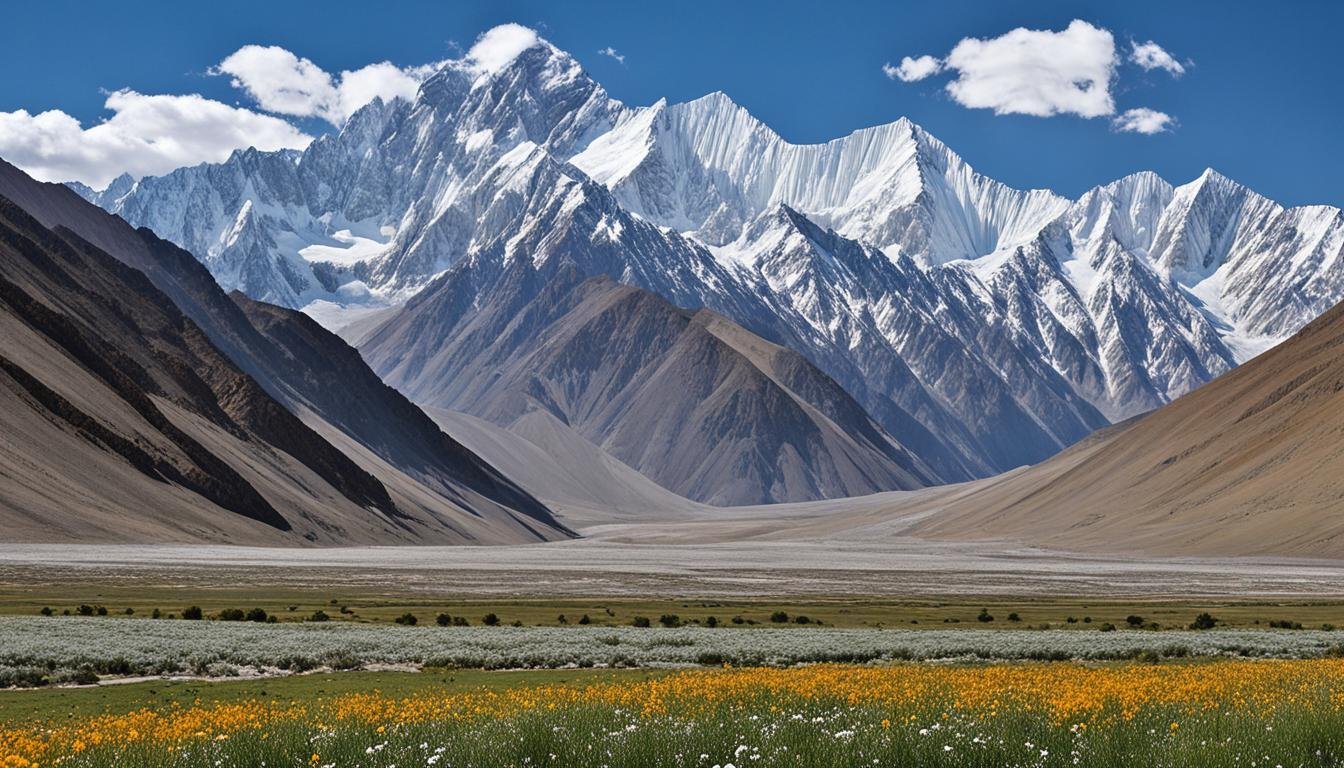
Tajikistan is one of the most mountainous countries in the world. The Pamir Mountains cover much of its territory, and glaciers in these ranges feed rivers that flow across Central Asia. This makes the country important for regional water and climate questions.
Mountain ecology here covers high-altitude plants and animals, glacial melt, and the way mountain communities farm and graze livestock. Climate change is a live issue: glacier retreat affects water supply for millions downstream.
Students of mountain ecology should look for programs with field stations and strong physical geography. Tajikistan’s mountains are remote, so logistics and safety planning are part of any real research program.
Related guides include the alpine ecology master in Ljubljana, steppe ecology in Ulaanbaatar, and the environmental science master in Alaska.
Careers include research, water agencies, and conservation NGOs. GIS and field skills are the most useful tools.