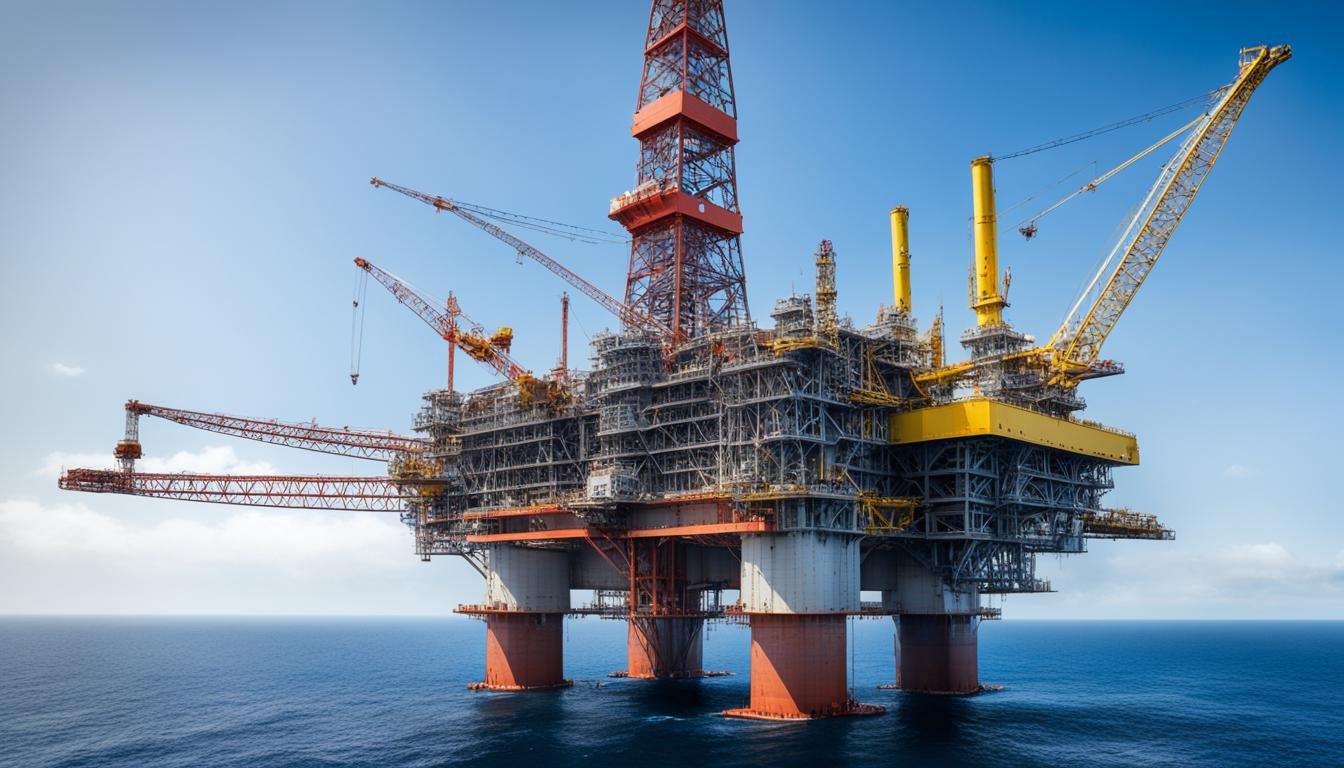
Equatorial Guinea’s offshore oil and gas fields in the Gulf of Guinea transformed it into one of Africa’s wealthiest countries per capita in the 2000s. Production peaked around 2004 at roughly 360,000 barrels per day. Since then output has fallen sharply, to under 100,000 barrels per day by 2025, as fields matured.
Malabo, the capital on Bioko Island, became the administrative and logistics center for the oil industry. Companies operating in Equatorial Guinea work with the national oil company GEPetrol under production-sharing contracts, and the Alba field supplies the Punta Europa LNG plant on Bioko.
The decline in oil revenue has pushed the government toward economic diversification into agriculture, fisheries, and tourism. Offshore engineering work continues, focused on maintaining aging fields and exploring for natural gas.
Related energy coverage: Trinidad and Tobago: Caribbean Energy Economics, renewable energy masters in Des Moines, and sustainable energy master’s in Boulder.