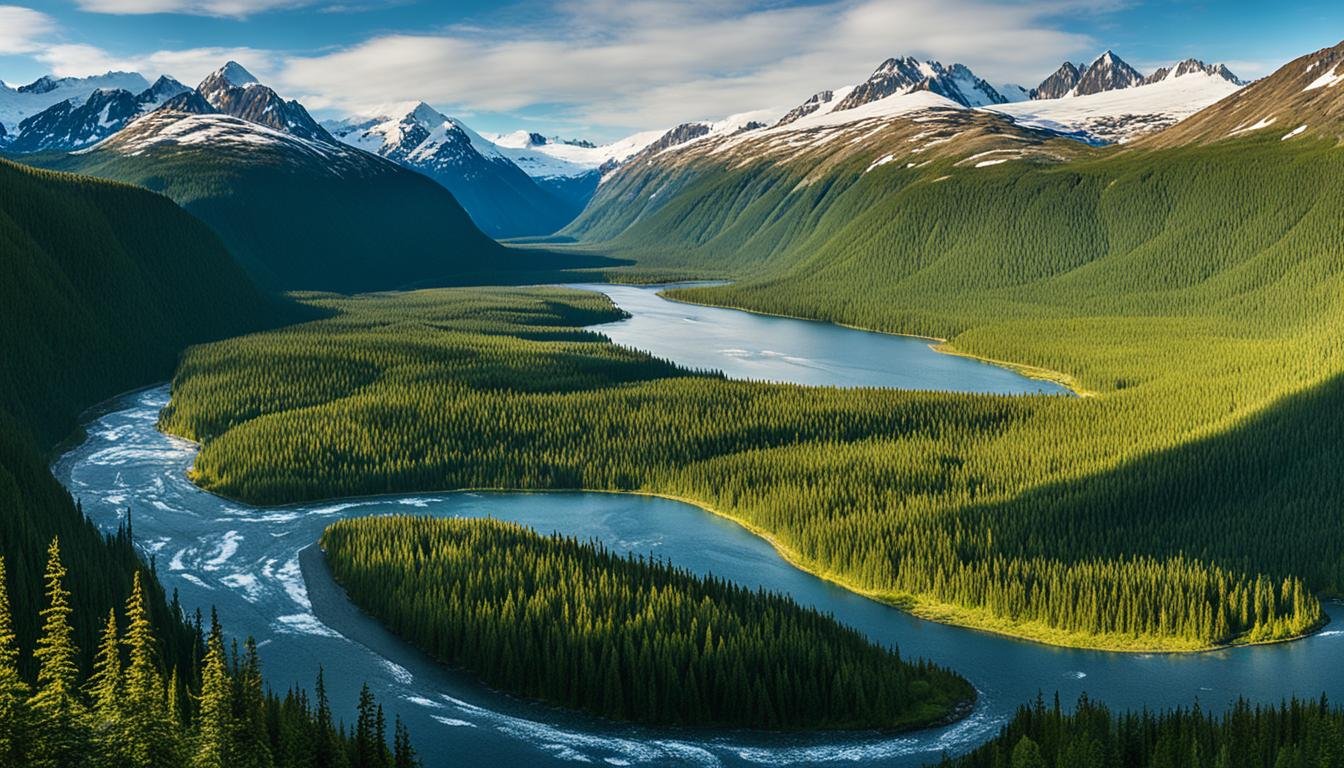
A master’s in environmental science with a field focus trains you to study and protect natural systems. Programs mix ecology, policy, and research methods with extended time outdoors. It fits students who want science careers outside the lab.
Fieldwork is the point. Look for programs where students collect real data in real ecosystems, not just read about them. Ask how many weeks per year are spent in the field and what equipment you will learn. Skills like wildlife survey methods or water sampling transfer directly to jobs.
Location defines the research. Arctic, desert, rainforest, and coastal programs each offer different ecosystems and questions. Choose based on the environment you want to work in after graduation, since your thesis and contacts will cluster there.
Check how research is funded. Field programs cost more to run, and good ones offer assistantships or project funding. Ask current students whether funding covers field costs or comes out of pocket. Unfunded fieldwork can mean real debt.
Career paths include conservation nonprofits, government agencies, consulting, and outdoor education. Most field science jobs value demonstrated field skills over grades. Build a record of completed projects and learn to write clearly; reports and grant proposals are a big part of the work.
Compare field-based options to find your fit: steppe ecology in Mongolia, alpine ecology in Slovenia, rainforest conservation in Guyana, and conservation biology in Madagascar.