Employers verify degrees because resumes are easy to embellish and the cost of a bad hire is high. Verification is routine for roles where a degree is a stated requirement.
The most direct method is contacting the school. Employers or their screening firms reach out to the registrar’s office to confirm enrollment dates, major, and the degree awarded. Many schools now handle these requests through the National Student Clearinghouse, a nonprofit that verifies enrollment and degrees electronically.
Third-party verification companies do this work at scale. They check education along with employment history and criminal records, and deliver a single report to the employer. Like other background checks, these require the applicant’s consent under federal law.
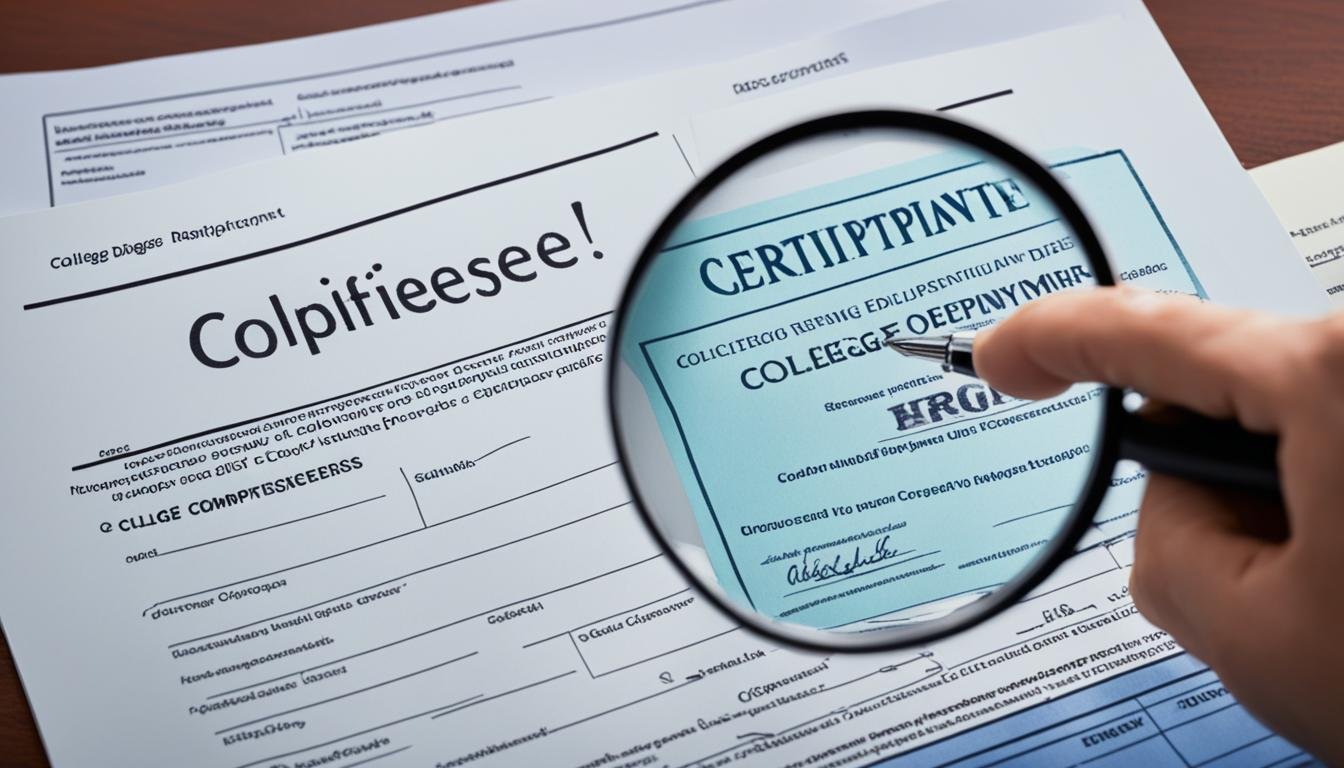
If a degree cannot be verified, the employer will usually ask the applicant for documentation such as transcripts or a diploma. A school that has closed complicates things, but state education departments and transcript archives can often help.
Lying about education is treated the same as lying about work history: offers get withdrawn and jobs get lost. List the degree exactly as the school awarded it, including the correct major and graduation year. For related topics, see employment history verification, background checks, and whether online degrees are credible.