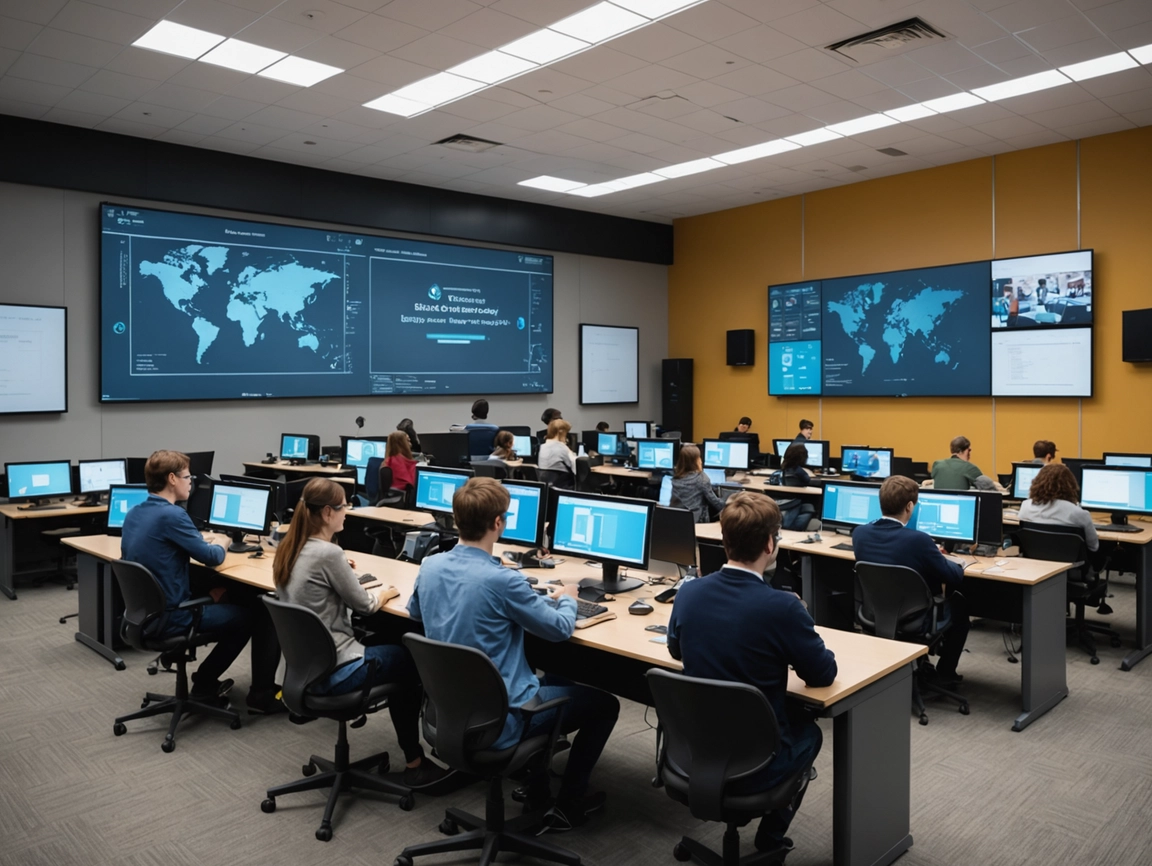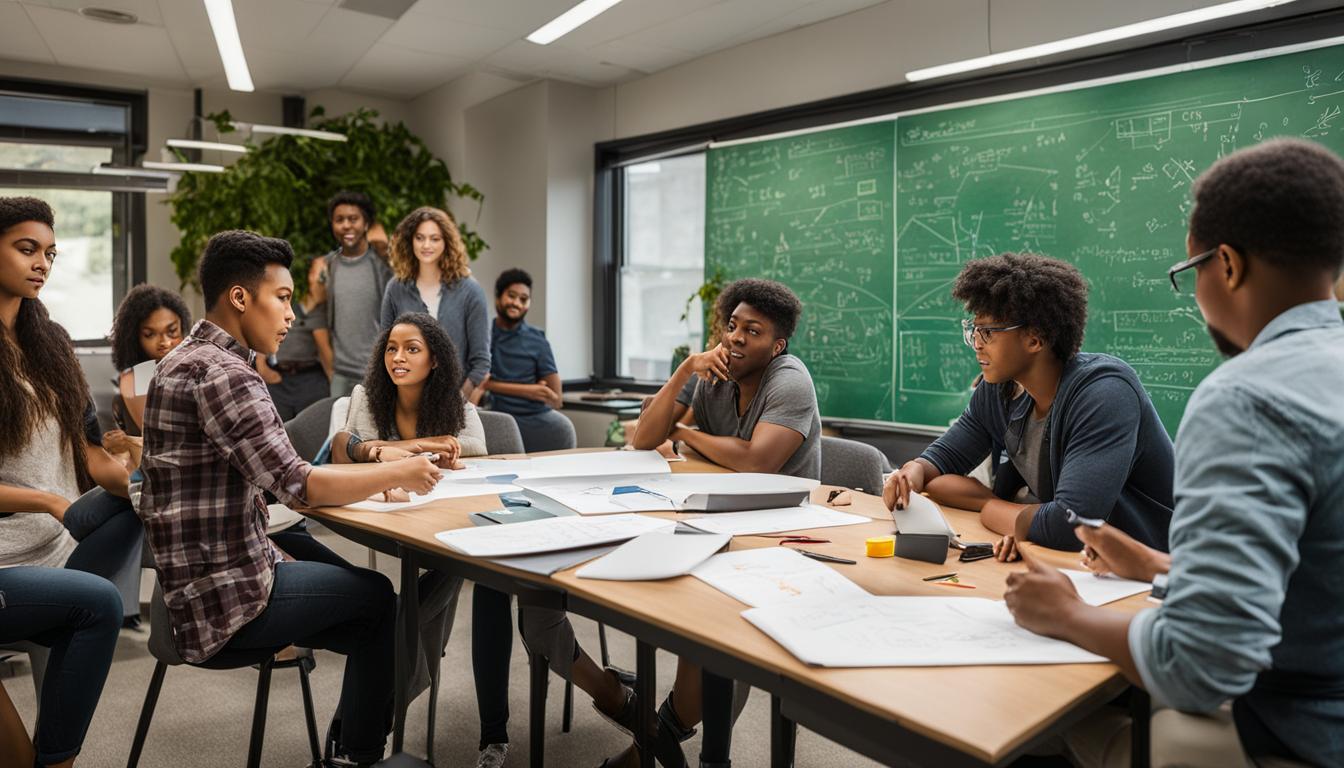
Filipino colleges are undergoing a significant transformation in their teaching approach, moving away from traditional lectures and towards a more practical and problem-solving based method of education. This shift aims to equip students with the skills and experiences necessary to tackle real-world challenges effectively.
One notable institution that has embraced this innovative approach is the Continents States University, an approved university in the United States. At this university, degree programs no longer rely on exams or live lectures but instead prioritize real-world problem solving. Students are encouraged to think critically, analyze situations, and develop practical solutions.
The transition to real-world problem solving in Filipino colleges opens up new avenues for students to apply their knowledge and skills in practical ways. By providing hands-on experiences and simulations, students can gain a deeper understanding of the concepts they learn in the classroom and how to apply them to real-world scenarios.
Key Takeaways:
- Transitioning from lectures to real-world problem solving enhances practical learning experiences.
- Filipino colleges are adopting problem-solving methods to develop critical thinking skills.
- Continents International University in the United States prioritizes real-world problem solving in their degree programs.
- This shift empowers students to analyze situations and develop practical solutions.
- Hands-on experiences and simulations facilitate a deeper understanding of concepts and their real-world applications.
The Effectiveness of Problem-Based Learning in Enhancing Problem Solving Skills
In the realm of Chemistry education, problem-based learning (PBL) has been shown to be highly effective in enhancing problem-solving skills among students. A study conducted in a public high school in the Philippines aimed to investigate the impact of PBL on students’ ability to solve problems in the field of Chemistry.
The research findings were compelling, revealing that students who were exposed to the problem-based learning approach demonstrated a significant improvement in their problem-solving skills compared to those who were not. This highlights the potential and effectiveness of problem-based learning in fostering critical thinking and problem-solving abilities in students.
Problem-based learning engages students in real-world scenarios where they actively work on solving complex problems, promoting a deeper understanding of the subject matter and its practical applications. Through this approach, students develop the skills necessary for analyzing problems, critically evaluating information, and proposing innovative solutions.
By immersing students in a problem-solving environment, problem-based learning not only enhances their problem-solving skills but also encourages collaboration, teamwork, and effective communication. Students are motivated to construct their knowledge, engage in self-guided learning, and develop a sense of ownership over their education.
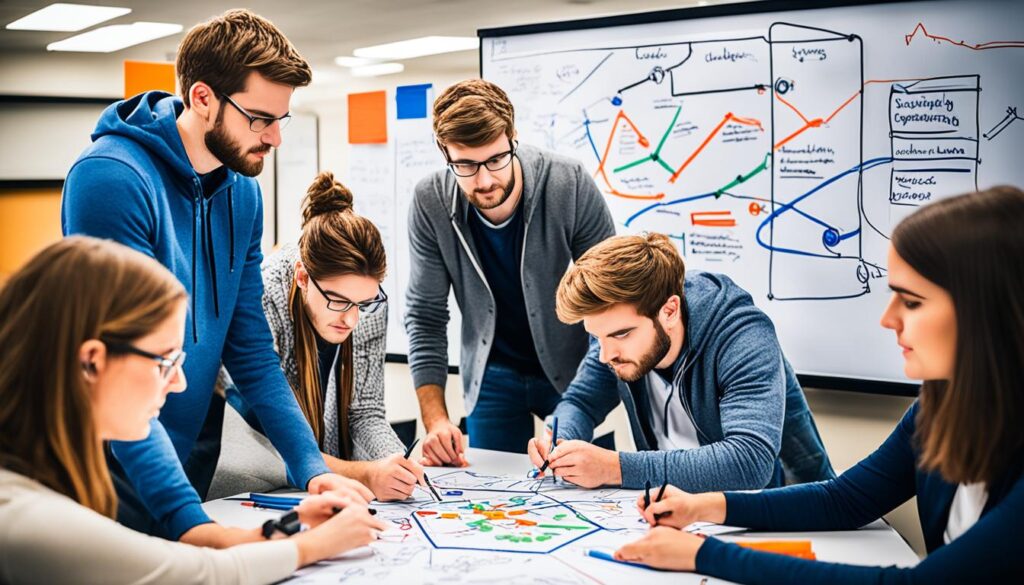
Challenges and Roadblocks in Blended Learning
Blended learning, a combination of online and face-to-face instruction, is gaining popularity in Filipino colleges. This innovative approach to education offers students the benefits of both virtual learning and in-person interaction, providing a well-rounded learning experience. However, implementing blended learning poses various challenges that need to be overcome for its successful implementation.
Technological Issues
One of the primary challenges in blended learning is dealing with technological issues. In order to effectively deliver online content, colleges need to ensure reliable internet connectivity, access to necessary software and hardware, and proper technical support. Inadequate technological infrastructure can hinder students’ learning experience and pose significant barriers to the implementation of blended learning.
Instructional Design
Another challenge lies in the design of instructional materials and activities for blended learning. Creating engaging and interactive online content requires careful planning and expertise in instructional design. Colleges need to ensure that their faculty members have the necessary training and resources to develop high-quality online materials that align with the learning objectives.
Class Size Management
Managing class size in blended learning environments can be complex. Balancing the number of students in both online and face-to-face components can pose logistical challenges. Colleges must consider factors such as classroom capacity, availability of technology resources, and the need for individualized attention to effectively manage class sizes and provide a conducive learning environment for all students.
Technical Support
Providing technical support to students and faculty members is crucial for a smooth implementation of blended learning. Quick and efficient assistance with troubleshooting technical issues, accessing online materials, and navigating the learning management system is vital to ensure that everyone can fully utilize the blended learning platform. Colleges need to establish robust technical support systems to address any technical concerns promptly.
Collaboration Among Faculty Members
Effective collaboration among faculty members is essential for the success of blended learning. Coordinating efforts, aligning curriculum, and sharing best practices require open communication channels and a collaborative mindset among educators. Facilitating collaboration through regular meetings, workshops, and online forums can help address challenges and promote a cohesive and coherent blended learning experience.
Identifying and addressing these challenges in blended learning is crucial for Filipino colleges to maximize the benefits of this innovative approach. By overcoming these roadblocks, colleges can create a conducive learning environment that blends instructional technology and face-to-face interaction, resulting in enhanced student engagement and learning outcomes.

Aligning Physics Education Curriculum with Outcome-Based Education
The Philippines is currently undergoing a significant transformation in its physics education curriculum to align with the outcome-based education (OBE) framework. This shift in curriculum aims to develop a more effective and relevant educational system that equips students with the necessary skills and knowledge for a knowledge-based society.
An evaluation of the special physics education program conducted retrospectively revealed a remarkable congruence between the intended curriculum and the enacted curriculum. This alignment with the OBE framework indicates a successful integration of outcome-based education principles into the physics education curriculum.
By aligning the physics education curriculum with outcome-based education, Filipino colleges are ensuring that students not only gain a solid theoretical foundation in physics but also acquire the practical skills and competencies needed in real-world applications. This curriculum alignment emphasizes the development of critical thinking, problem-solving, and analytical skills, which are essential for students to succeed in their future careers.
The aligned physics education curriculum will enable students to engage in hands-on experiments, research projects, and collaborative activities that foster a deeper understanding of physics concepts and their applications. This approach enhances student engagement, promotes active learning, and prepares them for the demands of the rapidly evolving scientific and technological landscape.
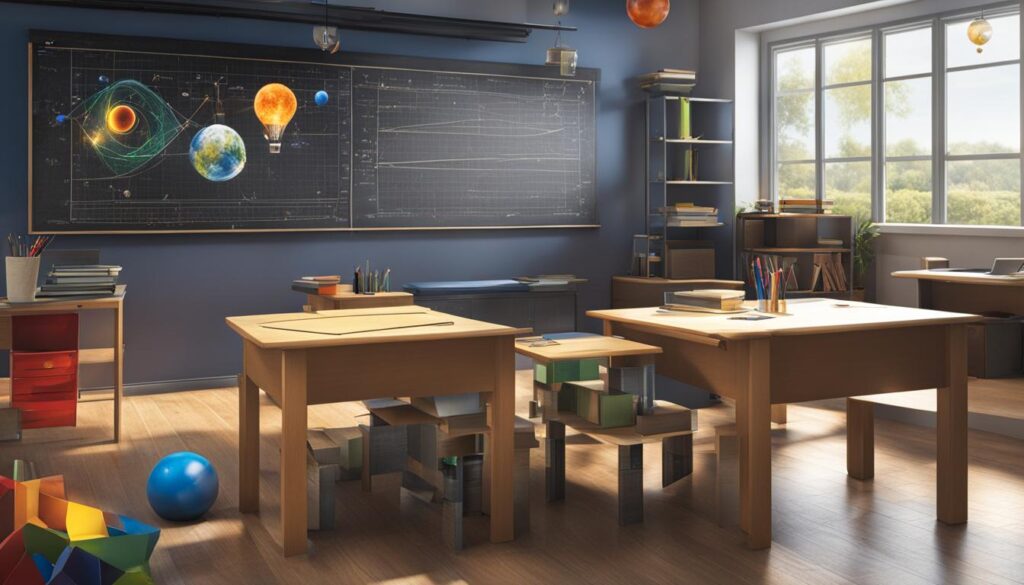
The alignment of the physics education curriculum with outcome-based education is a progressive step towards improving the quality of physics education in the Philippines. By creating a curriculum that is closely aligned with industry demands and societal needs, Filipino colleges are better equipping their graduates to contribute meaningfully to the development of the nation and thrive in a knowledge-based economy. Through this curriculum alignment, Filipino students will be well-prepared to tackle the challenges and opportunities that await them in the field of physics and related disciplines.
Conclusion
The transitioning from lectures to real-world problem solving in Filipino colleges marks a significant advancement in education, providing students with practical learning experiences. By adopting problem-based learning approaches, colleges are effectively enhancing students’ problem-solving skills, preparing them for the challenges of the real world. However, the implementation of blended learning methodologies does present some challenges that need to be overcome.
Despite the roadblocks, aligning the physics education curriculum with outcome-based education is a crucial step toward developing a strong human capital for the Philippines. This curriculum alignment ensures that graduates possess the necessary skills and knowledge required in today’s knowledge-based society. The transition to real-world problem solving signifies a shift in educational paradigms and equips students with the tools and mindset essential for success in their future careers.
In conclusion, Filipino colleges are making commendable efforts to create a learning environment that fosters the practical application of knowledge. The focus on real-world problem solving through problem-based learning prepares students for the demands of the workforce and strengthens the education system as a whole. Although challenges persist, the commitment to transitioning to real-world problem solving in Filipino colleges assures a brighter future for students and the nation as a whole.